

The Living Bridges

The Living Bridges are intriguing and one-of-a-kind constructions made by controlling the development of tree roots over time. The northeastern area of India, specifically the state of Meghalaya, is home to these bridges.

Creation

The roots of the Ficus elastica tree, also referred to as the rubber tree or the Indian rubber fig, are used to construct the living bridges. These trees’ roots have the amazing capacity to develop and get stronger over time. The roots can spread across rivers, streams, and other bodies of water because the villagers direct and train them to grow in a specific way.

Building Procedure

The first step in building a living bridge is to guide young rubber trees’ aerial roots toward opposing sides of a river or stream. After that, these roots are encouraged and led to blend and grow together. The roots continue to develop and fortify over a number of years, creating a strong living bridge. It may take ten to twenty years or longer to construct a living bridge. (The living bridges)

Strength and Durability

The living bridges can sustain the weight of several people at once and are extremely resilient. Heavy rains, flooding, and erosion are just a few of the natural factors that the roots can survive as they develop and mature.

Lifespan

The durability of these bridges is one of their most notable features. Living bridges, in contrast to traditional wooden or metal bridges, keep expanding and getting stronger over time. In Meghalaya, some bridges are thought to be more than 500 years old. (The living bridges)

Advantages for the environment

There are several environmental benefits to using live bridges. Relying on living trees and their roots eliminates the need to cut down trees or use non-renewable building materials. Additionally, the living bridges support biodiversity and help maintain the local ecosystem. (The living bridges)

India’s living bridges are not only useful buildings but also priceless cultural and natural assets. They demonstrate the local people’ inventiveness and creativity and serve as evidence of the peaceful coexistence of humans and the natural world.

It is now a popular tourist destination. Homestays opened as visitors started to pour in. Locals constructed tents and led tourists into the jungle’s hills. Everything from bottled drinks to crisp packets was stacked on makeshift stands. When Syiemlieh visited Laitkynsew, a village south of Tyrna, in March, she observed the locals pulling, twisting, and weaving fig tree aerial roots on bamboo scaffolding to construct a triple bridge. Two of the layers run parallel to one another, just like in a double-decker bridge, while the third root layer is slanted across the riverbank. “Maybe they thought that three layers can attract more tourists,” Syiemlieh explains.

The amazing live root bridges in the northeastern state of Meghalaya, particularly in the vicinity of Cherrapunji and Mawlynnong, are typically referred to as “living bridges.”

The Living Bridges

https://designerchoicevja.blogspot.com/

What Are Living Bridges?

Living bridges are naturally occurring structures made of tree roots rather than steel or concrete. Over time, rubber tree roots are guided across rivers and streams by indigenous societies to create sturdy, walking bridges.

Derived from Ficus elastica roots
Completely natural and environmentally friendly
As they get older, they get stronger.

How Are They Made?

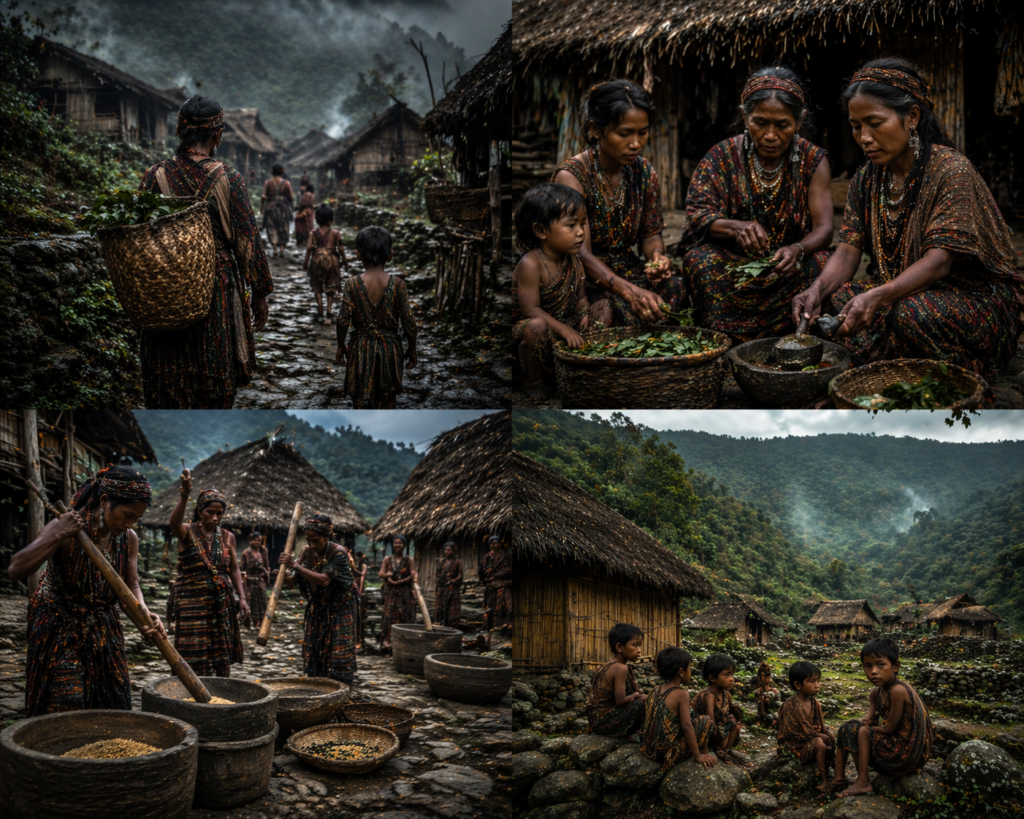
This method has been established over generations by local tribes, namely the Khasi people
Khasi

Bamboo scaffolding is used to guide roots.
They are aimed over gaps or rivers.

Roots intertwine and strengthen over a period of ten to twenty years.
They eventually get enough strength to help others.

Some bridges are still in use after more than a century!

Well-known Living Bridges

The Double Decker Living Root Bridge An uncommon two-story bridge that is a popular tourist destination

The Ummunoi Root Bridge is renowned for its length and scenic beauty.

The Reasons They Are Important

Ideal for regions with a lot of rain (Meghalaya is among the wettest places on Earth).

They don’t decay as quickly as wooden bridges do.

A natural wonder and a symbol of sustainable engineering and harmony with nature

Living bridges are a potent illustration of how people may cooperate with nature rather than oppose it. They are living, expanding ecosystems rather than merely structures.

https://rapidknowledge.in/2026/04/03/https-rapidknowledge-in-superfood/
Spirulina – Superfood

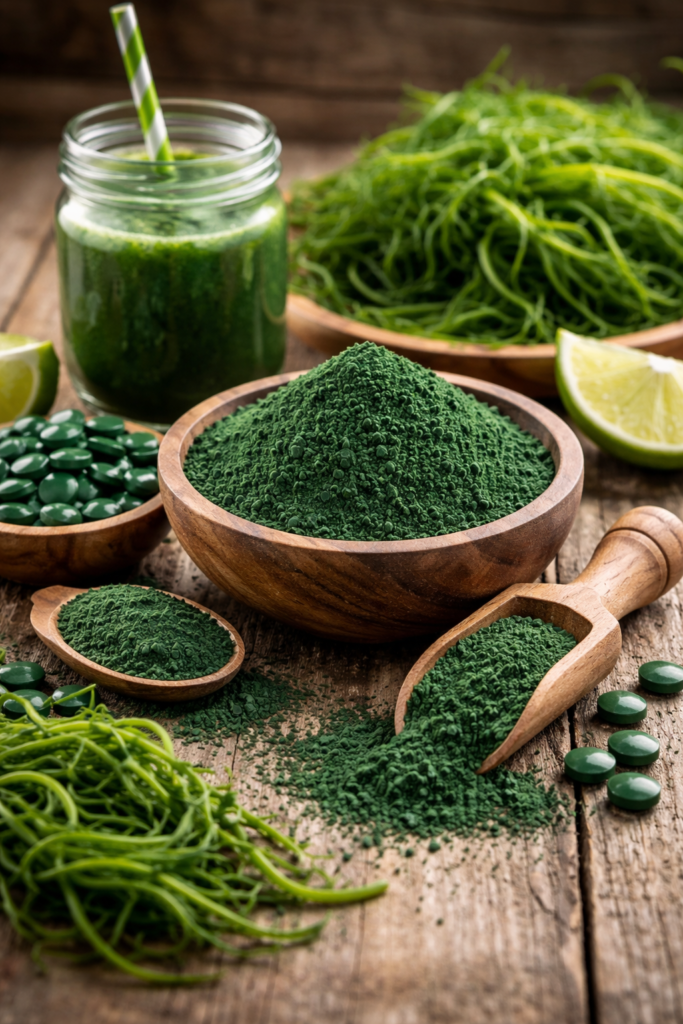
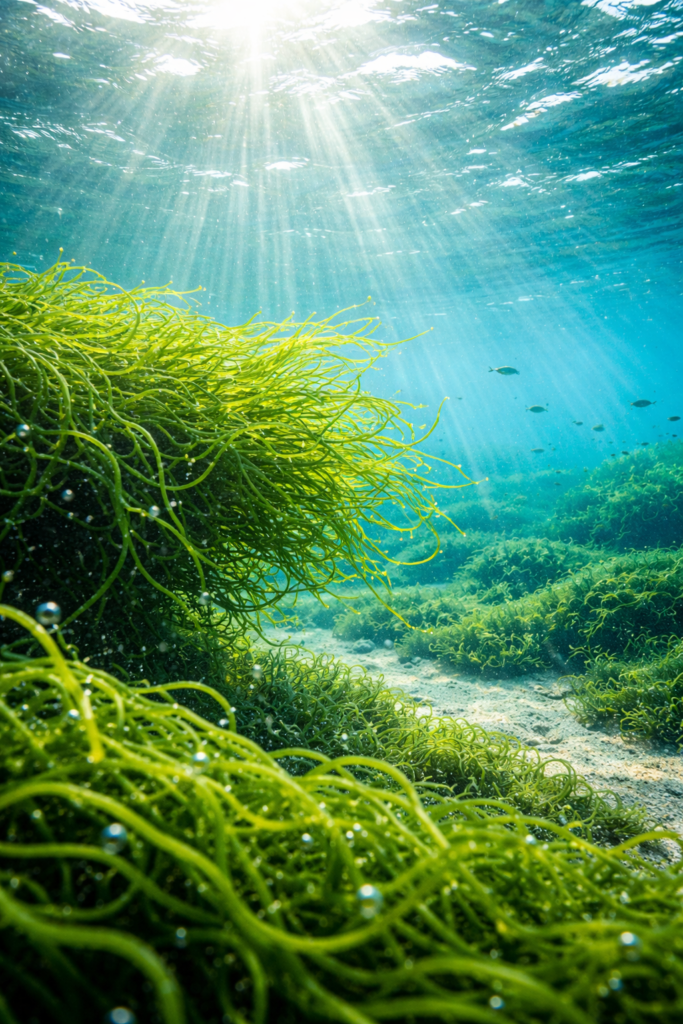
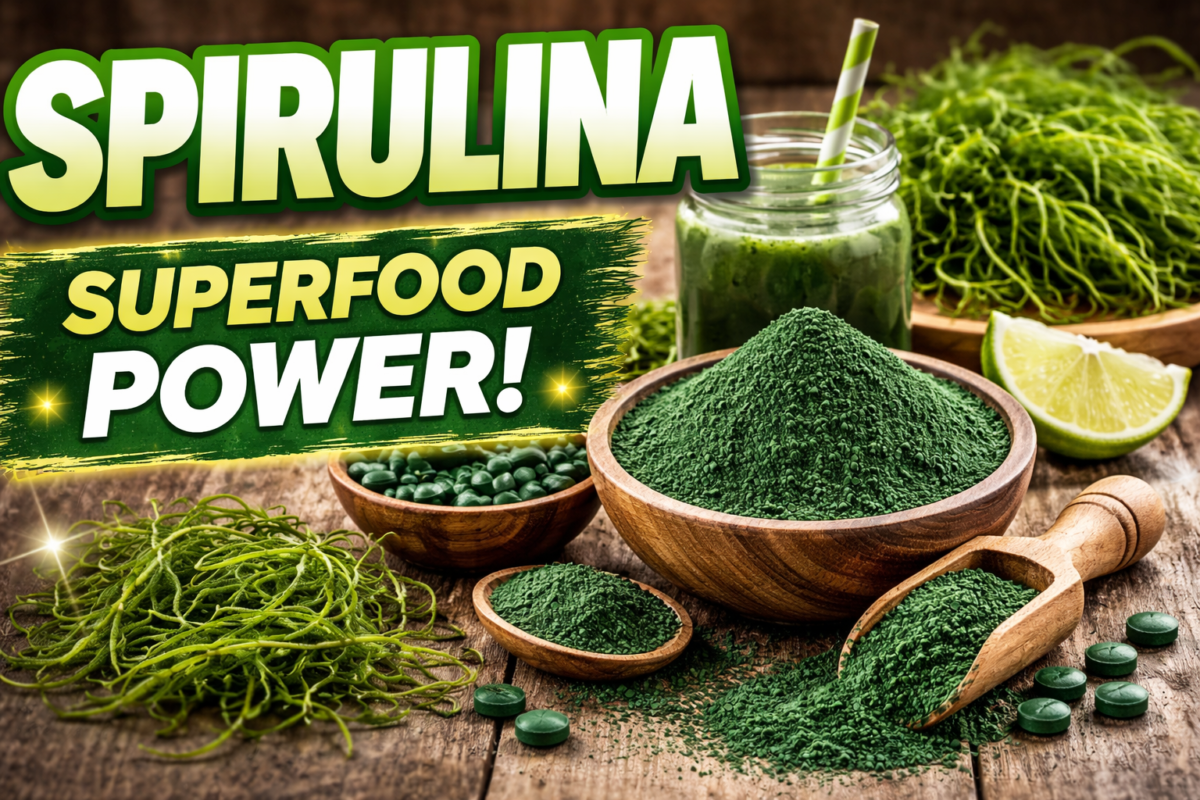
One kind of blue-green algae that thrives in freshwater settings is called Spirulina . Because of its rich nutritional content and possible health advantages, it is regarded as a superfood. Humans have been consuming spirulina for generations. It comes in a variety of forms, such as tablets, capsules, and powder.

Profile of nutrition – Superfood

Spirulina is an excellent source of plant-based protein since it is high in protein and contains all of the essential amino acids. It also contains a number of vitamins, such as vitamin B12, vitamin K, and beta-carotene, which the body transforms into vitamin A. Minerals like iron, calcium, magnesium, and potassium are also included in spirulina.


super food

https://designerchoicevja.blogspot.com/

Anti-inflammatory and Antioxidant Characteristics

Spirulina’s distinctive blue-green hue is attributed to its high concentration of antioxidants like phycocyanin. The body is shielded against oxidative damage and inflammation by these antioxidants.

Possible Advantages for Health

According to certain research, spirulina may offer a number of health advantages. These include strengthening the immune system, increasing vitality, promoting heart health by lowering bad cholesterol, and serving as a natural detoxifier by aiding the body’s detoxification processes.

Food additives and nutritional supplements – Superfood

As a nutritional supplement, spirulina comes in a variety of forms, such as tablets, powders, and capsules. In order to improve the nutritional value of smoothies, juices, energy bars, and other food items, it is also added to them.

https://rapidknowledge.in/2026/03/24/https-rapidknowledge-in-poverty/

Precautions and Things to Think About

Although most people can safely use spirulina, it’s crucial to select high-quality sources to prevent contamination. Before adding spirulina to their diet, people with certain medical disorders or allergies should speak with their healthcare professional. Women who are nursing or pregnant, as well as those who have specific autoimmune diseases, should also be cautious.

Nutrient Absorption and Digestibility

The excellent nutritional bioavailability and digestibility of spirulina are well-known. Compared to other plant-based sources, its relatively thin cell walls provide easier nutrient absorption.

Essential Fatty Acid Source

Essential fatty acids, such as alpha-linolenic acid (ALA) and gamma-linolenic acid (GLA), are abundant in spirulina. These fatty acids have vital functions in the body, such as lowering inflammation and promoting heart health.

Possibility of Anti-Cancer Properties

According to some research, spirulina may have anti-cancer effects, including as preventing the proliferation of cancer cells and shrinking tumors in test-tube and animal models. To completely comprehend its possible implications on cancer prevention and therapy in humans, more research is necessary.

anticancer effects

Heavy metal chelation and detoxification

The potential use of spirulina  in heavy metal chelation and detoxification has been investigated. According to some research, spirulina may help the body bind to and eliminate heavy metals. However, more research is needed to determine its safety and efficacy for heavy metal detoxification.

Environmental Aspects

One food source that is thought to be environmentally friendly is spirulina. (superfood)  Because of its great photosynthetic efficiency, it can efficiently transform sunlight into biomass and energy. In addition, it uses less water and land than conventional animal production.

Uses in Cooking

Spirulina’s (superfood) nutritional profile and vivid green color have made it a popular food ingredient. Smoothies, energy bars, salads, and even baked foods frequently contain it. It is advised to start with tiny doses and progressively increase as desired because its strong taste and odor might not be to everyone’s liking.

spirulina in sea

Although spirulina (superfood) is a potent and nutrient-rich supplement, it is not a cure-all. It is best used in conjunction with a healthy diet rather than as a substitute.

It’s important to remember that although spirulina (superfood) has a number of potential health advantages, it shouldn’t be used as a panacea or as an alternative to a healthy diet and way of life. As with any dietary supplement, it is best to speak with a healthcare provider for specific guidance and to be sure it fits your needs and situation.

Disclaimer

this article only for knowledge only…… please follow the doctor’s prescription


Poverty

When people or communities don’t have enough resources to meet their fundamental needs—such as food, shelter, healthcare, education, and clean water—they are said to be in poverty.

Poverty Types

Total Deprivation
severe deficiency of survival needs

For instance, those who make less than $2.15 per day (the World Bank’s global benchmark)

Relative Poverty

When a country’s revenue is far below the average
causes social marginalization

Poverty

https://designerchoicevja.blogspot.com

Causes of Poverty

Joblessness
Low pay
Insufficient education
Population expansion
Corruption and inadequate leadership
Climate change and natural disasters
Wars and conflict

Effects of Poverty

Poor health and malnutrition
Restricted educational opportunities
Higher rates of criminal activity
Unsatisfactory living circumstances
Inequality in society

Solutions to Reduce Poverty

Enhancing learning and skill building
generating employment opportunities
Government programs for welfare
Obtaining healthcare
Encouraging economic expansion
Women’s empowerment

Poverty in India

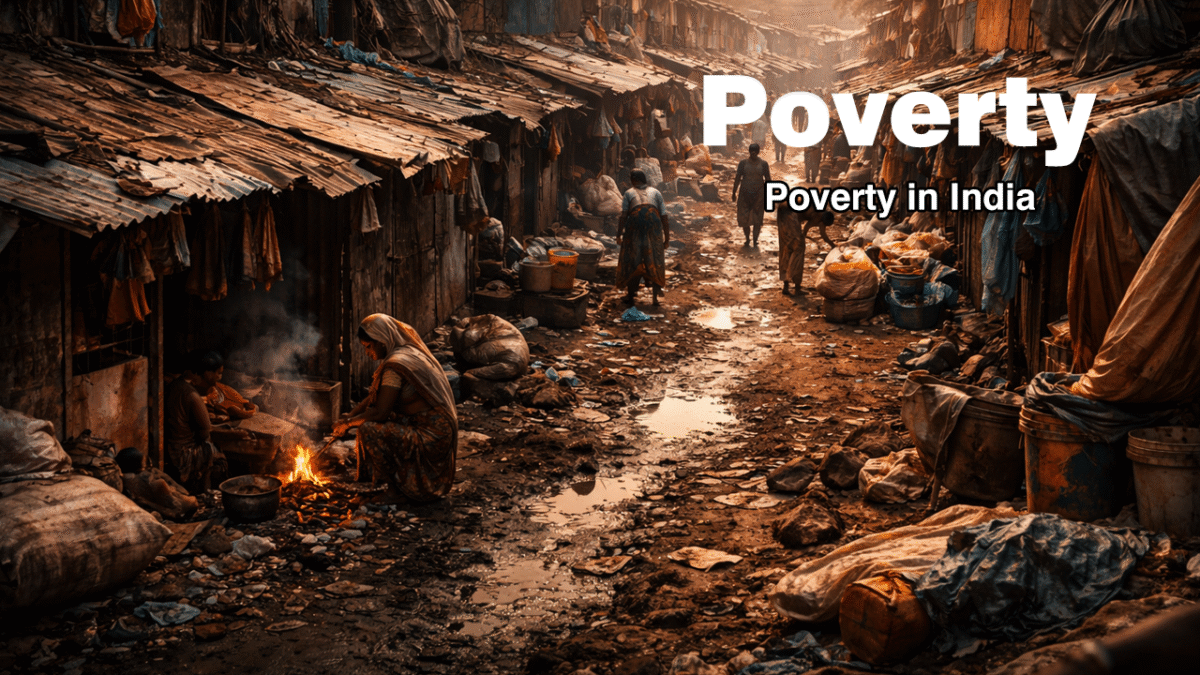
Despite the nation’s recent economic growth and development, poverty remains a major problem in India. These are some salient features of poverty in India

Poverty in India

Scale of Poverty

There are a lot of impoverished individuals in India. According to the World Bank, as of 2016, approximately 20% of India’s population, or around 270 million people, lived below the national poverty line.

Multidimensional Poverty

In India, poverty comprises more than just income levels; it also includes things like inadequate housing, potable water, sanitation, healthcare, and education.

Rural-Urban Divide

In India, poverty is more common in rural than in urban areas. Inadequate infrastructure, low agricultural output, and a lack of employment prospects are issues that many rural areas deal with.

Informal Economy

The informal sector, which comprises low-paying, unregulated jobs, employs a sizable section of the Indian labor force. Workers in the unorganized sector frequently lack access to conventional financial services, social security, and job security.

Malnutrition and Hunger

Hunger and malnutrition are still problems in India. India came in at number 94 out of 107 countries in the Global Hunger Index 2020.

Social Disparities

Scheduled castes, scheduled tribes, and religious minorities are among the marginalized and disadvantaged groups in India that are disproportionately affected by poverty. These groups frequently experience reduced social mobility, resource scarcity, and discrimination.

Government Initiatives

To address the issue, the Indian government has put in place a number of social welfare and poverty alleviation initiatives. The goal of initiatives like the Public Distribution System (PDS), the National Rural Livelihood Mission (NRLM), and the Mahatma Gandhi National Rural work Guarantee Act (MGNREGA) is to give those in need access to subsidized food, work opportunities, and livelihood support.

Education and Healthcare

Many of India’s poor still struggle to get access to high-quality healthcare and education. The poverty cycle is sustained by a lack of educational opportunities, while health disparities are made worse by a lack of access to healthcare.

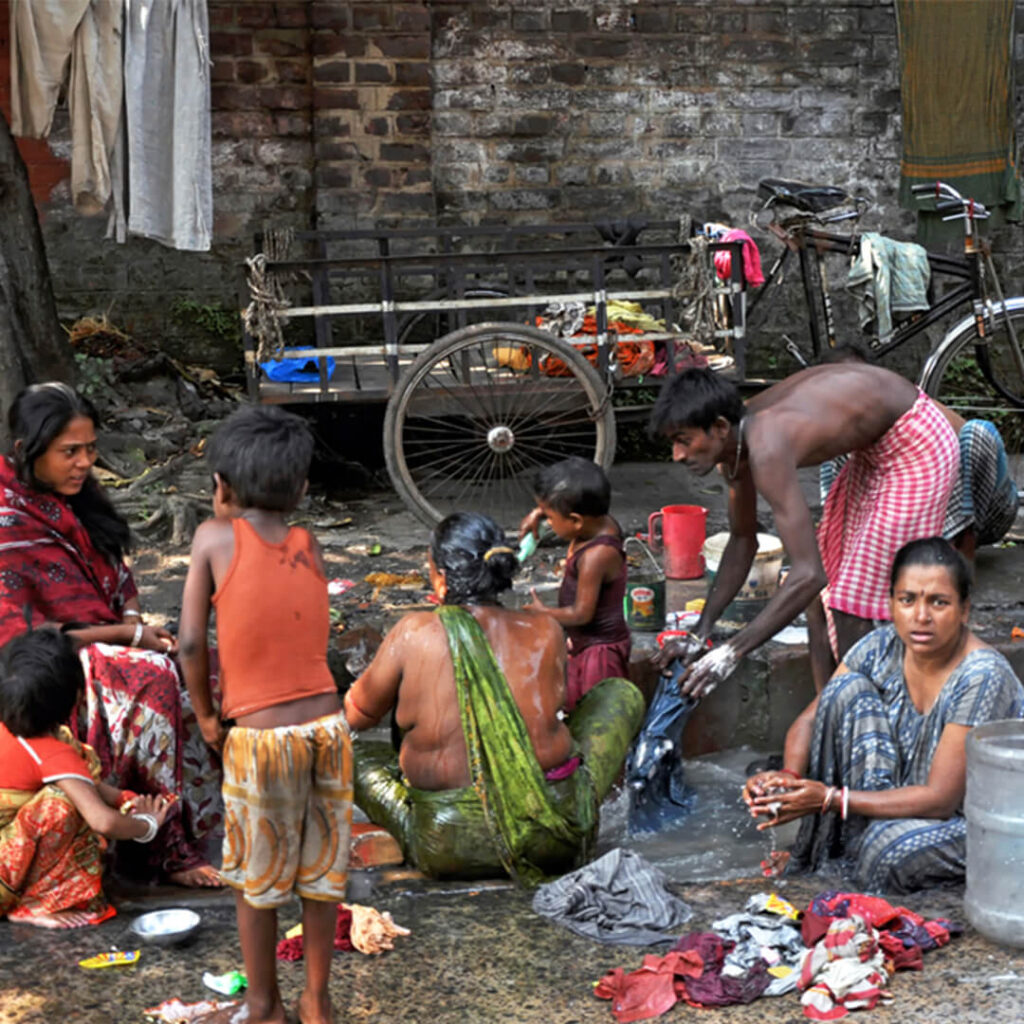
Urban Slums

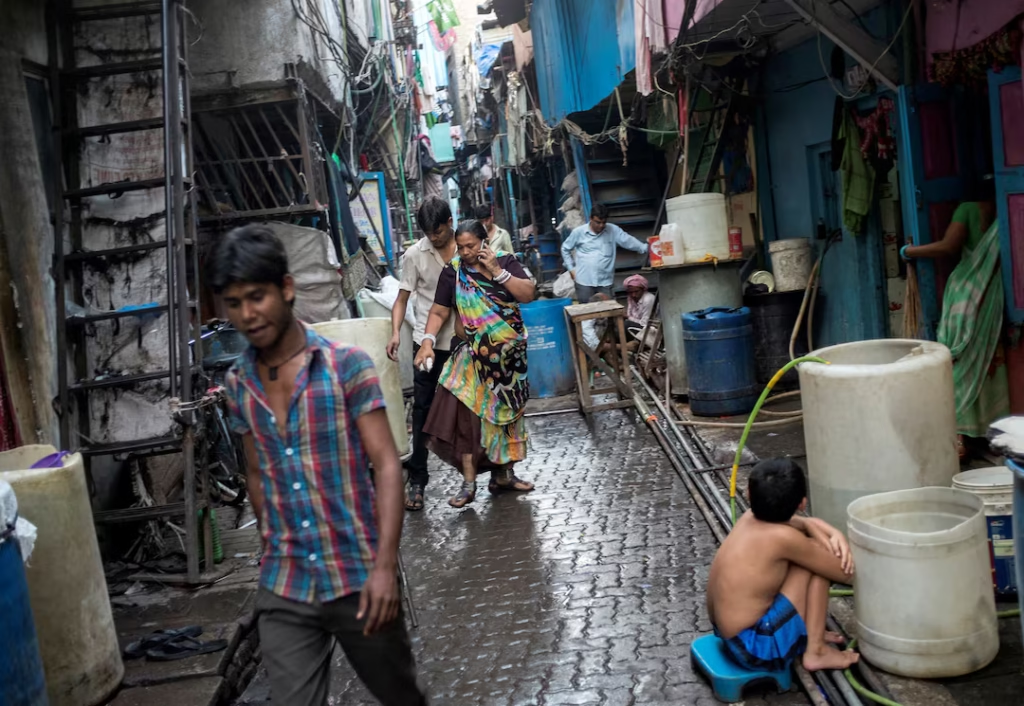
Slums, where people live in poor housing conditions with little access to basic services, have grown in many Indian cities as a result of the country’s rapid urbanization. Slum inhabitants frequently deal with problems like lack of clean water, poor sanitation, and congestion.

Sustainable Development Goals

India has pledged to accomplish the Sustainable Development Goals (SDGs), one of which is to end poverty in all of its manifestations by 2030. The government is attempting to put policies in place to lessen poverty and enhance the welfare of its people in collaboration with civil society organizations and foreign partners.

It is crucial to remember that poverty in India is a complicated problem impacted by a number of variables. Comprehensive strategies addressing income inequality, access to essential services, social inclusion, and sustainable development are needed to reduce poverty.

https://rapidknowledge.in

Essential Knowledge

In India, poverty is evident in both rural and urban areas.
Large cities frequently have slums as a result of migration.
inadequate housing, inadequate sanitation, and low income are some of the conditions.
But over time, poverty is progressively declining.