

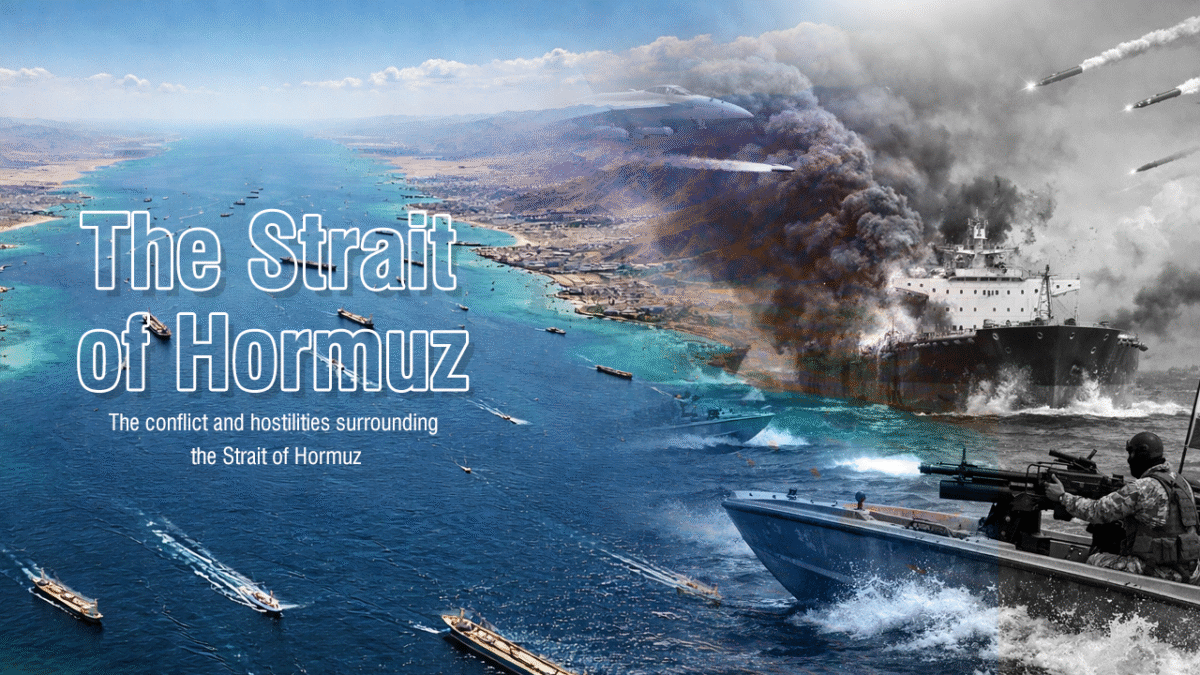
A small but crucial waterway in the Middle East is The Strait of Hormuz
Where
is between Iran (north) and the United Arab Emirates (south). links the Arabian Sea, the Gulf of Oman, and the Persian Gulf.
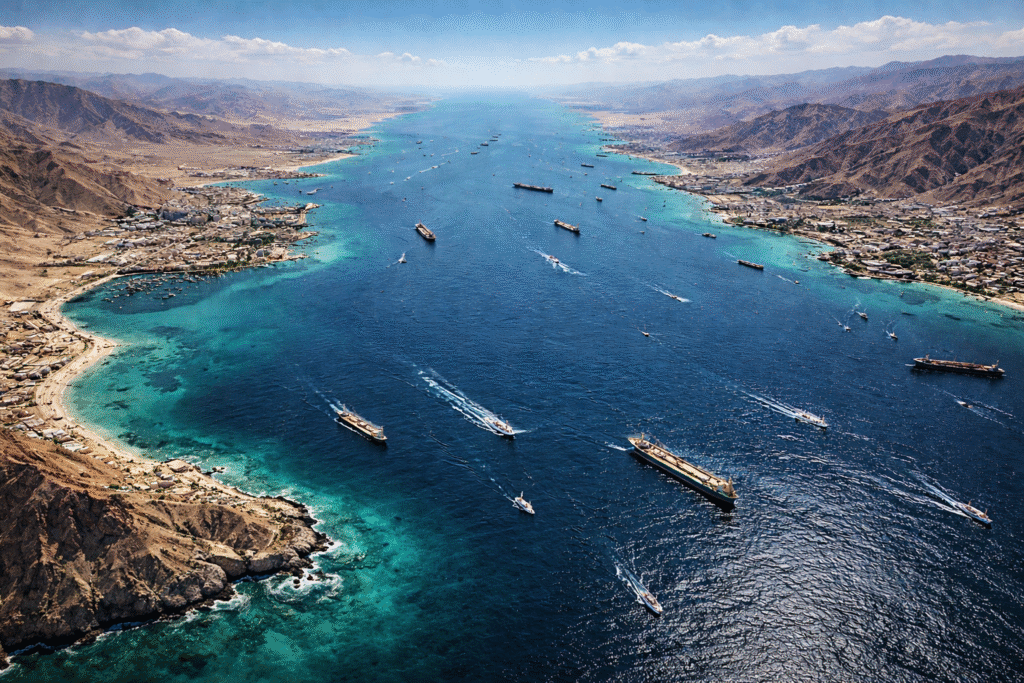
The Significance of It
It is among the most important oil shipping routes in the world. It handles about 20–30% of the oil traded worldwide.Important for the export of liquefied natural gas (LNG), particularly from Qatar
Dimensions
At its narrowest point, it is roughly 33 km (21 miles) broad. In either direction, shipping channels are only roughly 3 km (2 miles) wide.
Strategic Importance
Global oil prices and energy markets can be impacted by any disruption (war, military tension, blockades). During political unrest, Iran has occasionally threatened to close it.
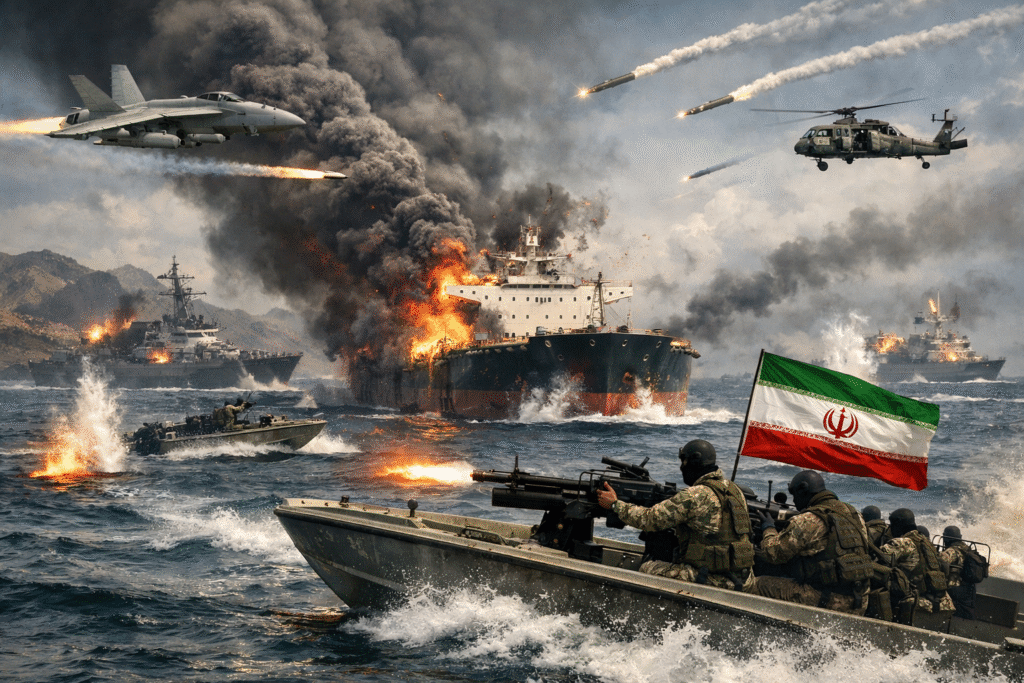
The conflict and hostilities surrounding the Strait of Hormuz
The global economy is being impacted by the conflict and tensions surrounding the Strait of Hormuz. One of the most significant energy conduits on Earth is this slender maritime path.
1. Shock to the oil supply
Approximately 20% of the world’s oil consumption, or 20 million barrels of oil per day, cross the strait. Millions of barrels of oil supplies have been affected due to the war and transportation risks. Recently, oil prices increased to nearly $120 per barrel before marginally declining.
Globally, the cost of gasoline, diesel, power, and transportation all go up as oil prices rise.
2. interruption of international trade
There is more to the Strait of Hormuz than just oil. Large volumes of petroleum products and almost 20% of the world’s LNG (natural gas) flow through it. Shipping delays are caused by tankers and cargo ships changing or halting their routes.
This has an impact on Production, Electronic devices, Medicines, International, supply networks
3. Increased living expenses and inflation
If the strait remains sealed, experts caution which is Fuel costs are rising, Transportation expenses are rising, Food costs also rising. Inflation around the world might get worse.
Due to the fact that diesel drives trucks, ships, and agricultural machinery, a lack of the fuel alone may slow the world economy.
4. Significant effects on Asia, especially India
The hardest-hit nations are those that import oil. Approximately 90% of India’s oil is imported, and a large portion of it passes through this area. Europe, South Korea, China, and Japan all significantly depend on this route.
Therefore, if the disruption persists, fuel costs in nations like India may increase.
If a conflict affects the Strait of Hormuz
The supply of oil declines, Fuel costs are rising. Trade and shipping slow down Globally, inflation is rising.
a significant portion of global energy flows through this small canal.
https://shreecreativeworksvja.blogspot.com
The Strait of Hormuz plays a crucial role in global energy distribution, serving as a vital chokepoint for oil shipments. Disruptions in this strategic waterway would lead to a marked decrease in oil supply, significantly impacting fuel prices in oil-importing nations such as India. As global trade and shipping operations slow, inflationary pressures are likely to escalate worldwide. The importance of maintaining stability in the Strait of Hormuz cannot be overstated, as it underpins the economic vitality of numerous countries reliant on its passage for energy resources.