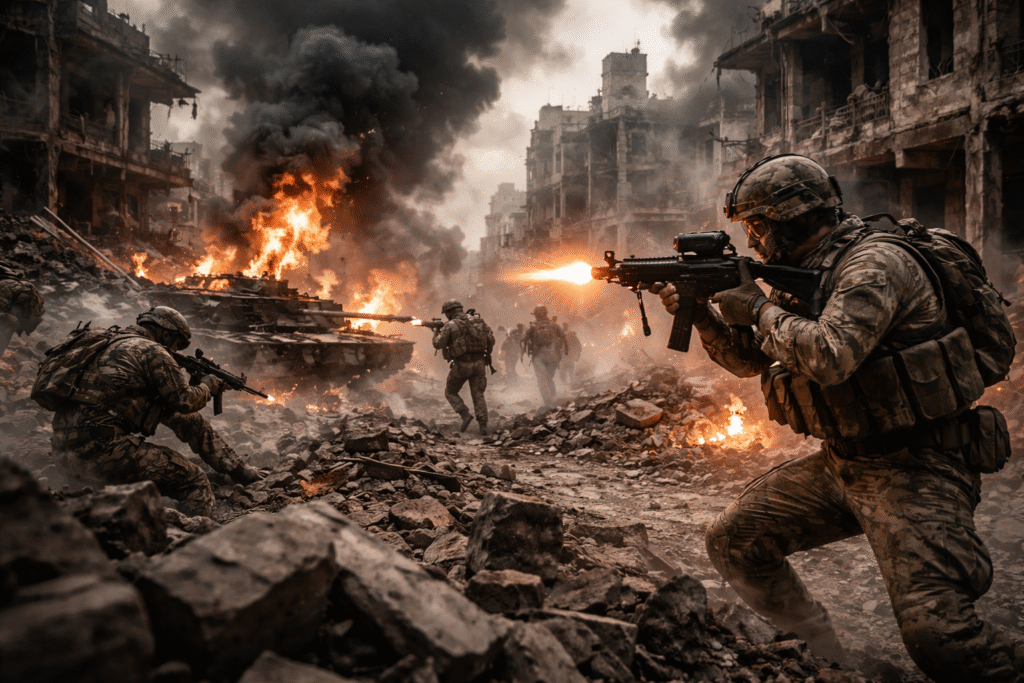

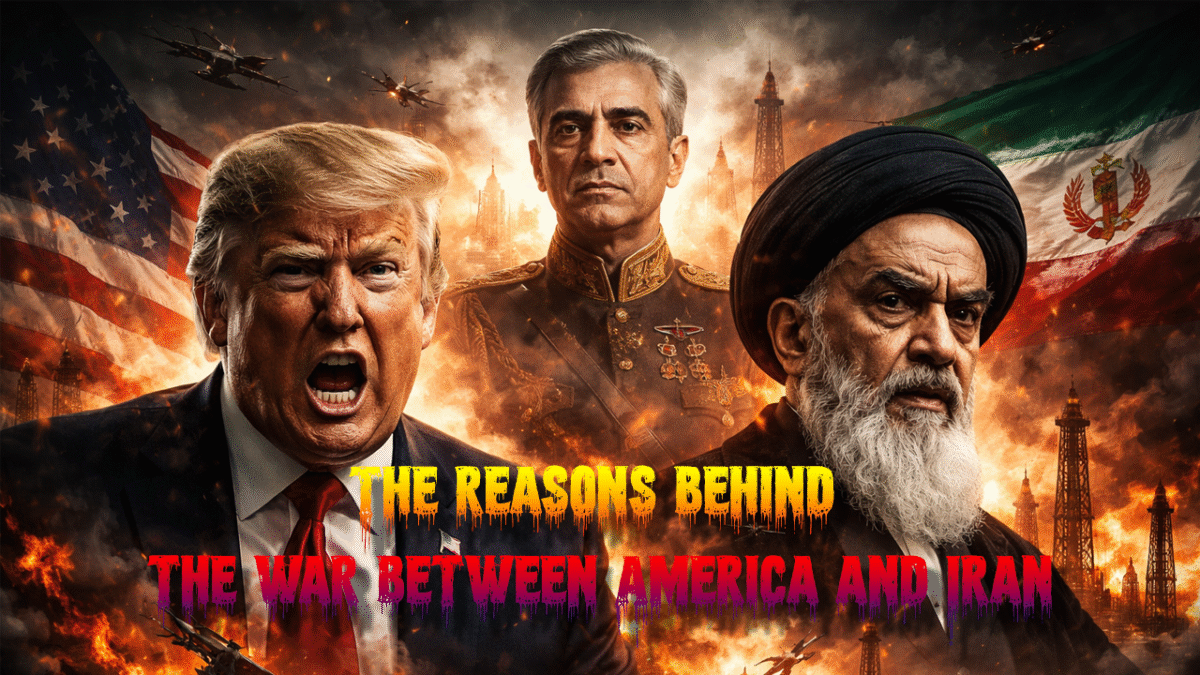
The reasons behind the war between America and Iran

Decades of tension, mistrust, and geopolitical rivalry have led to  the war between America and Iran
the war between America and Iran

1. Historical foundations (since 1953 & 1979) the war between America and Iran

To safeguard its oil interests, the United States assisted in the overthrow of Iran’s elected government in 1953.

The U.S.-friendly Shah was overthrown by an anti-American Islamic government in 1979 as a result of the Iranian Revolution.

Relations quickly deteriorated due to the hostage situation in Iran.

Both nations have seen one another as adversaries ever since.

https://designerchoicevja.blogspot.com/

2. The problem of nuclear weapons

Iran may be attempting to develop nuclear weapons, according to the United States.

Iran claims that its program is solely focused on peaceful energy.

In an attempt to curb Iran’s development, the United States withdrew from the Joint Comprehensive Plan of Action in 2018.

One of the main causes of war in the modern world is this.

3. The Middle East’s power struggle

Iran backs organizations such as militias in Syria, Lebanon, and Iraq.

The United States backs nations like Israel and those in the Gulf.

In the area, both are vying for power and influence.

(the war between America and Iran)

4. Attacks and tensions in the military

Iran was subject to severe sanctions from the United States.

Groups supported by Iran attacked American allies.

The United States conducted strikes, like as the 2020 assassination of Iranian General Qasem Soleimani.

Both sides continued to get closer to war as a result of these measures.

(the war between America and Iran)

5. What led to the most recent conflict (2025–2026)

Negotiations on nuclear weapons failed
Israel and the United States conducted airstrikes against Iran’s nuclear and military facilities.

Iran threatened to restrict oil routes and retaliated with missiles.

The present war resulted from this escalation.

(the war between America and Iran)

6. The impact of oil on the world

An important oil conduit, the Strait of Hormuz, can be blocked by Iran.
This has an impact on economies and oil prices worldwide.

The entire globe is worried because of this.

(the war between America and Iran)

The reasons behind the confrontation between the United States and Iran are

Anger from the past
Fears of nuclear weapons
Power rivalry in the Middle East
Sanctions and military assaults
Inadequate diplomacy

(the war between America and Iran)

Revolution in Iran

Iran’s transition from a pro-Western monarchy to an Islamic republic during the Iranian Revolution marked a significant turning point in world history.

What was the Iranian Revolution?

Millions of Iranians staged a huge uprising in 1979 to overthrow the Shah, their country’s ruler.

The Shah: Mohammad Reza Shah Pahlavi
Revolutionary leader: Ruhollah Khomeini
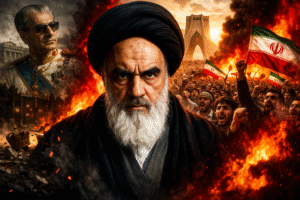
Revolutionary

As a result, Iran was transformed into an Islamic nation governed by religious authorities.

What caused it to occur?

1. Oppression and dictatorship

The Shah exercised enormous authority.

Opposition was repressed by secret police (SAVAK).
There was no political freedom for people.

2. Inequality in the economy

Wealth from oil rose, but
Rich became richer.
The impoverished suffered
Many believed that the system was unjust.

3. Western influence, particularly American

The United States gave the Shah strong assistance.

Many Iranians thought Western concepts were taking the place of their culture and religion.

Anti-American attitude resulted from this.

4. Opposition based on religion

Clerics such as Khomeini were against
Westernization
The secular rule
They desired a Shia-based Islamic government.

Important occasions

1978: Widespread demonstrations start
January 1979: Shah leaves Iran

Khomeini returns from exile in February 1979
The monarchy falls
Iran transforms into the Islamic Republic

1. The new system

Theocracy (religious rule) is established in Iran.
The Supreme Leader has final authority.

2. The hostage situation

The US Embassy was taken over by Iranian students, and 52 Americans were kept captive for 444 days.

This ruined ties between the United States and Iran.

3. Middle East politics were altered by the global effect

Islamic movements that were inspired

caused ongoing hostility with the United States.

The Iranian Revolution took place due to

People were against the Shah’s authority.
Inequality in the economy

Anger over Western influence
Growth of religious leadership

Outcome

The Islamic Republic was established when the monarchy collapsed.

The war with the United States started
https://rapidknowledge.in/2026/03/12/the-strait-of-hormuz/

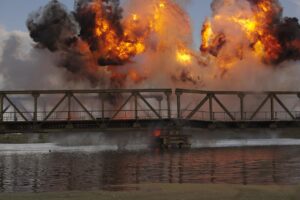
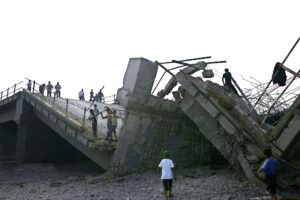
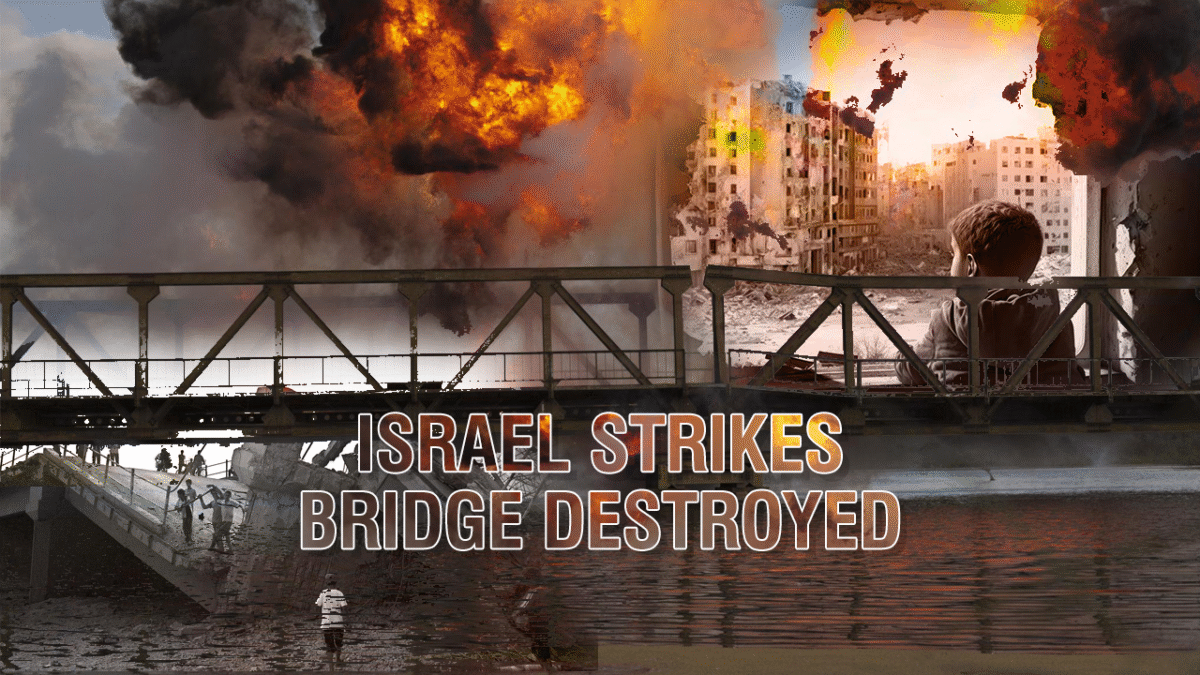
A bridge in southern Lebanon is bombed by Israel

Israeli forces blasted many important bridges in southern Lebanon, notably the Qasmiyeh Bridge, a vital crossing over the Litani River, around March 22, 2026.

southern Lebanon

https://designerchoicevja.blogspot.com/

Tyre and other southern regions of Lebanon were cut off from the rest of the country by the strike, which also interfered with relief and transportation lines.

Israel reportedly targeted several bridges and crossings rather than just one. (southern Lebanon)

The reasons behind Israel’s actions

Stop the movement of Hezbollah (fighters, weapons, supplies)
In southern Lebanon, establish a “security buffer zone.”
Minimize assaults on Israel’s northern region (southern Lebanon)

Effects on the general public – southern Lebanon

In Lebanon, more than a million people are displaced.
Entire areas without access to gasoline, food, or medical care

After bridges were destroyed, cities like Tyre were partially cut off.

A larger image – southern Lebanon

This is a component of the escalation of the Israel-Hezbollah conflict in 2026, which started in early March and includes: airstrikes throughout Lebanon
Southern Lebanon’s ground operations
Hezbollah’s rocket assaults on Israel

Indeed, Israel bombed bridges in southern Lebanon as part of a larger military plan during the continuing conflict with Hezbollah.

Although the strikes are strategic (they hamper military supplies), they have serious humanitarian repercussions.

The strategic significance of the Litani River

The Litani River flows all the way across Lebanon before emptying into the Mediterranean Sea to the west.
It is located between 20 and 30 kilometers north of the border between Israel and Lebanon.
With few crossing places (bridges), the river creates a natural defense line.

Controlling movement equates to controlling crossings.

Military Significance

1. Line of the Buffer Zone

Resolution 1701 was passed by the UN following the Lebanon War in 2006.

Hezbollah should not operate south of the Litani River, according to the statement.

As a result, the river served as a de facto military border.

2. Preventing Weapons and Fighters from Moving

Crucial supply routes are the bridges that span the Litani.
Destroying them

slows down or stops Movement of Hezbollah troops
interferes with the movement of weaponry from the north to the south
restricts reinforcement in times of conflict

Because of this, airstrikes frequently target river bridges.

3. Northern Israel’s gateway

The frontline area close to Israel lies south of the Litani.
If this region is under the control of hostile troops, they are

Nearer to towns in Israel
Capable of more effortlessly launching missiles or raids

Israel’s security depth is increased by maintaining military north of the Litani.

Impact on Civilians and Logistics

Major cities like Tyre are connected to inland Lebanon via the river’s bridges.

When bridges are demolished Aid and evacuation channels are blocked off to civilians

Civilians

Fuel, food, and medication supplies are interrupted.

Thus, it serves as both a civilian lifeline and a military choke point.

Easy Analogy

Consider the Litani River as Lebanon’s “line of control”

Safer, supply zones are located north of it.
The active conflict zone lies south of it.

The entire battlefield flow is controlled by the person in charge of crossings across that line.

Strategically, the Litani River is important since it is

An organic protective barrier
A military/political border (after the war in 2006)

A vital route for logistics (bridges are lifelines)
A safeguard for northern Israel

Why does Israel strike bridges in particular?

1. Israel has a long-standing military justification for attacking bridges in war areas, such as those spanning the Litani River.

It’s about managing movement, slowing the enemy, and reshaping the battlefield; it’s not random.

You cannot readily traverse a river without bridges, which are choke points.
These crossings are used by organizations like Hezbollah to

Fighters, move!
Carry weapons
bolster the front lines

When the bridge is destroyed, motion slows down or stops entirely.

2. Supply Line Disruption (Logistics Warfare)

Logistics (food, ammunition, and fuel) play a major role in modern warfare.
Supply routes from northern Lebanon to the south are connected by bridges. (southern Lebanon)

By building bridges, Israel hopes to

Disrupt supply chains
Separate front-line units
Minimize long-term assaults (such as rocket firing)

Over time, a lack of supplies results in a diminished ability to battle.

3. Establish a Buffer Zone

In the past, Israel has made an effort to keep adversarial forces away from its border.

A crucial frontline is located south of the Litani.

Bridge destruction is beneficial:

Stop reinforcements from heading south.
Keep combatants to the north of the river.

It successfully establishes a zone of regulated separation.

4. Slow Down Any Ground Threat

If a ground escalation happens
Bridges are essential for quick troop movement

Without them,
Movement becomes slow, exposed, and predictable

Israel gains a tactical and temporal edge as a result.

5. Low Direct Engagement, High Impact

Airstrikes against infrastructure:
Steer clear of direct conflict amongst soldiers.

Attack crucial locations with fewer soldiers

It is a means of undermining the adversary without launching a full-scale invasion.

Controversial – Effects on Citizens

Civilians also use bridges
Routes of evacuation

Food and medication delivery assistance

Thus, strikes can

Separate towns
deteriorate humanitarian circumstances

For this reason, such acts are discussed and condemned on a global scale.

Israel attacks bridges due to the following reasons– southern Lebanon

Israel attacks bridges

Crucial choke spots
vital to the movement and logistics of the enemy
The secret to managing land without inhabiting it

Control the flow of the battlefield by destroying the bridges

https://rapidknowledge.in/

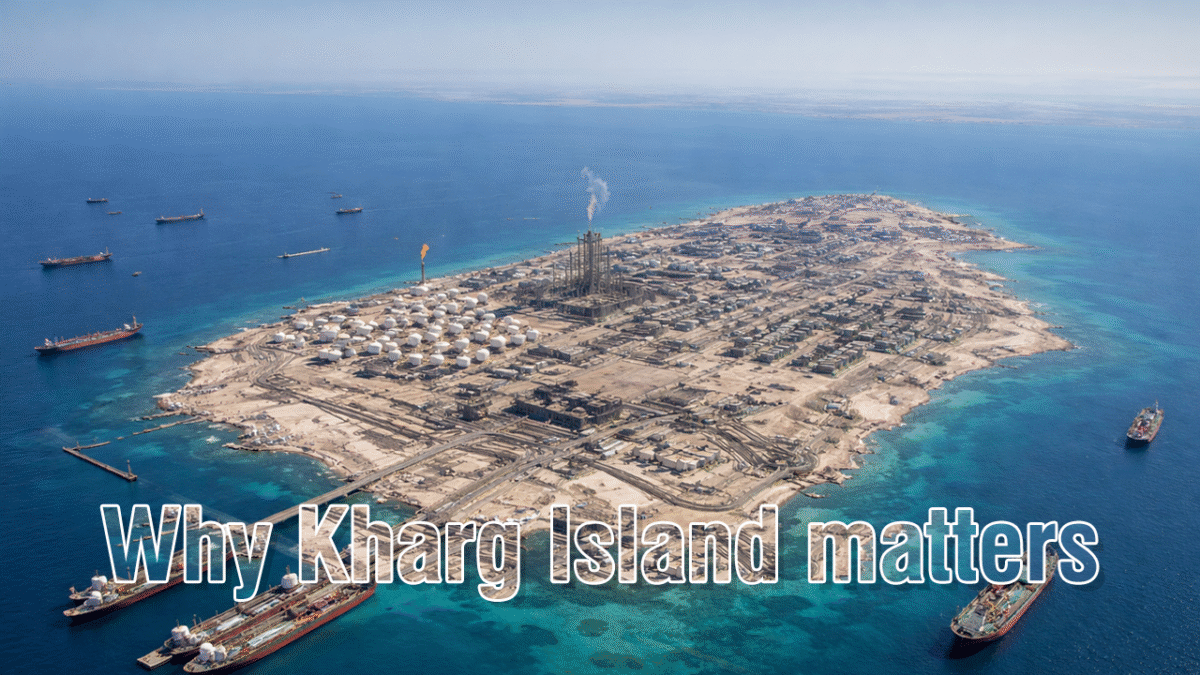
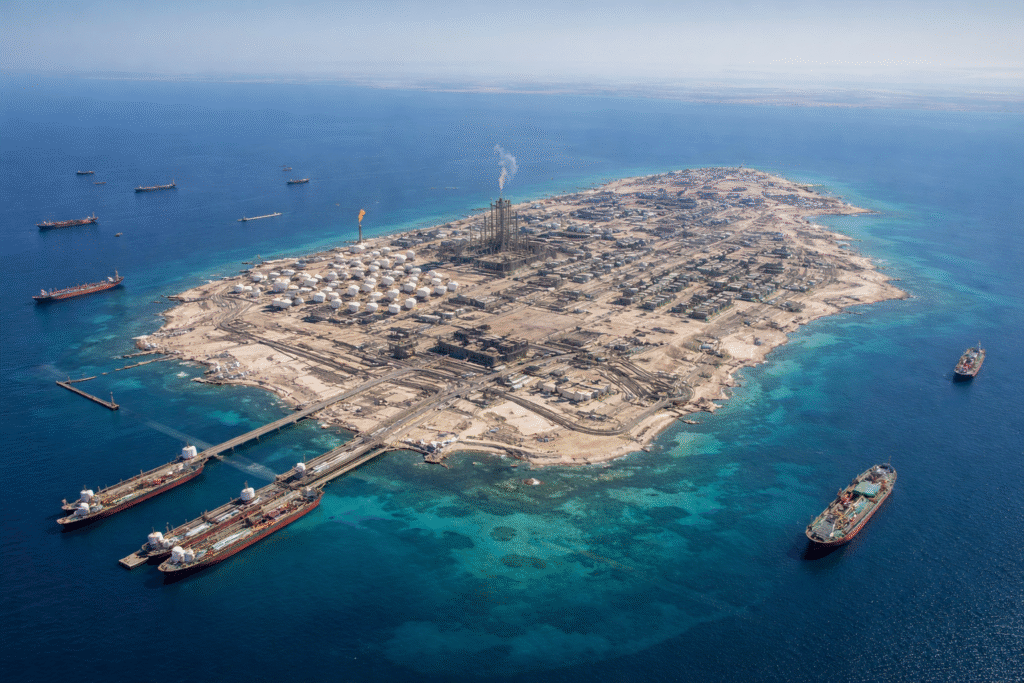
Why Kharg Island matters

The term “Kharg Island attack” refers to actual or purported incidents involving military activities or threats directed at Iran’s vital oil export facility, Kharg Island.

The significance of Kharg Island

manages almost 90% of Iran’s oil exports.

Situated in the Persian Gulf

vital to the world’s oil supply and prices

Historical and Current Background

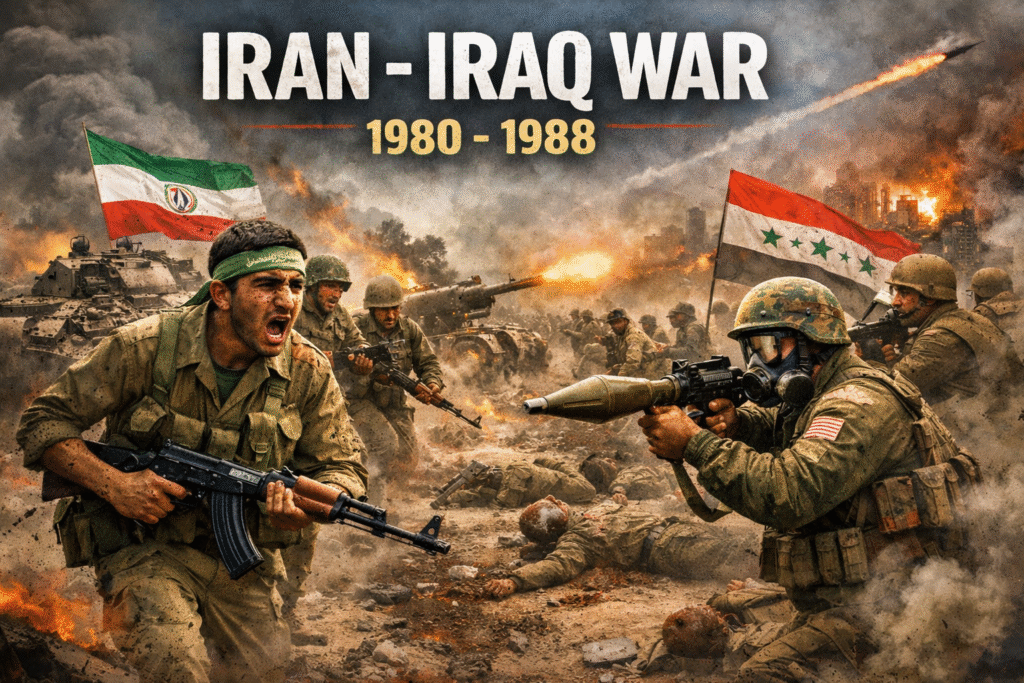
1. The 1980–1988 Iran–Iraq War

Iraq brutally attacked Kharg Island during the Iran-Iraq War.

Targeting oil infrastructure as part of the “Tanker War” phase

Iran fixed the island several times to maintain exports.

iran-iraq war

https://designerchoicevja.blogspot.com

2. Contemporary Tensions (2019–Present)

Although there hasn’t been a significant proven “destruction” attack recently, Kharg Island is frequently mentioned in:

Iran-Israel shadow war

Tensions between the US and Iran in the Gulf

Covert and cyberattacks aimed at oil infrastructure

Here are some rumors and reports

Israel (secret operations)

US (strategic pressure)

Oil shipping routes are impacted by regional instability

Should Kharg Island be severely damaged

Disruption of the global oil supply

The price of oil could suddenly rise

Conflict in the Middle East is intensifying.

Effect on shipping via the Hormuz Strait

A Reality Check

Online headlines about the “Kharg Island attack” are frequently gossip, conjecture, or false facts.

Large-scale attacks that have been confirmed recently are uncommon or unverified.

The island is still well guarded.

What is now taking place

1. Significant American airstrikes on Kharg Island

Large-scale American airstrikes targeted Kharg Island during March 13–17, 2026.

More than ninety military objectives were destroyed, including drone facilities, naval mine storage, and missile shelters.

The attacks are a part of a larger conflict that involves Iran, the United States, and indirectly Israel.

Crucial

The majority of oil facilities were not attacked in order to prevent a worldwide energy collapse.

2. Conflicting damage claims

The island was “totally demolished,” according to certain political allegations.

However, actual data reveals

After a brief hiatus, oil exports swiftly resumed.

Iran claims that manufacturing is still operating as usual.

In actuality

Heavy military damage

Oil infrastructure is mostly unaltered.

3. The worldwide oil shock

Fear of disruption caused oil prices to soar past $100 per barrel.

Nearby tensions in the Strait of Hormuz influence almost 20% of the world’s oil supply.

4. The extremely critical Strait of Hormuz situation

Iran has attacked or blocked shipping lanes.

Global trade is hampered as numerous ships are stranded.

A portion of the oil is being diverted to Jask and other ports.

5. Escalation risk

The United States warned that if tensions persist, it may target oil infrastructure next.

Iran threatened to retaliate against regional energy infrastructure.

Overview (basic)

This is not a single incident; rather, it is a component of a broader Middle East battle (the Iranian confrontation in 2026).

Iran’s oil business is centered on Kharg Island, so

Even little strikes have a worldwide influence.

A full attack would result in a global energy crisis.

The worst-case scenario if Kharg is destroyed

Not just a local issue, but a worldwide chain reaction would result from the total destruction or knockout of Kharg Island. This is a step-by-step breakdown of the realistic worst-case scenario.

https://rapidknowledge.in

1. Oil Shock Right Away (within hours)

Iran’s ability to export oil is reduced by almost 90%.

Every day, millions of barrels disappear from the world’s supply.

The price per barrel could rise to $150–$200+.

Why is it so extreme?

Because Kharg, which is situated in the Persian Gulf, is Iran’s primary export lifeline

2. The Hormuz Strait Crisis

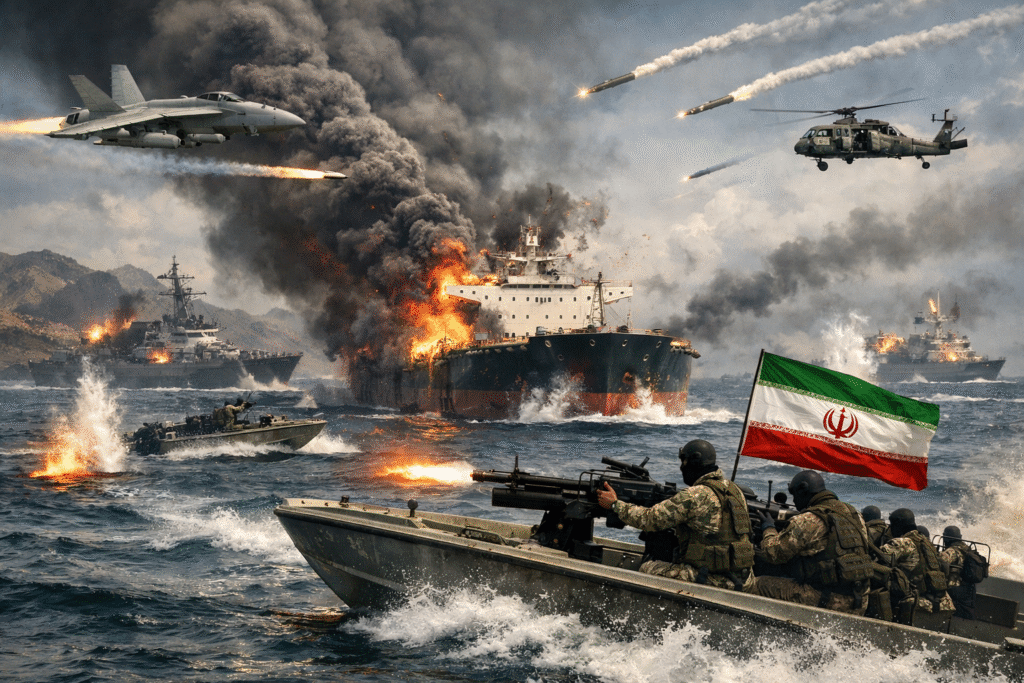
Iran might block the Strait of Hormuz in retaliation.

This is where about 20% of the world’s oil travels.

In the worst scenario

Tankers stopped or attacked

Iran and the United States engaging in a naval battle

3. Comprehensive Regional Conflict

Conflict spreads throughout

Israel

Gulf countries (UAE, Saudi Arabia)

Proxy organizations in Yemen, Lebanon, and Iraq

Potential results

Missile attacks on oil fields

Attacks on cities by drones

Gulf War naval combat

4. The Shock to the World Economy

The cost of fuel (gasoline, diesel, and aviation fuel) is rising globally.

Inflation increases in nations such as India

Stock market crashes, particularly in economies that rely heavily on energy

Particularly in India

The cost of gasoline and diesel could increase significantly.

Costs of food and transportation rise

The cost of imports could cause the rupee to decline.

5. Dissection of the Supply Chain

Shipping lanes become dangerous

Tanker insurance premiums are soaring.

Postponements in

Oil, Gas, Products traveling via Middle Eastern routes

6. Involvement of Global Power

NATO nations could step in.

China might intervene to safeguard the oil supplies.

Risk of conflict between many nations

7. Extreme Situation (high impact, low probability)

If the escalation spirals

Increased nuclear tensions (indirectly)

Cyberattacks against international energy networks

Global energy crisis

A Reality Check

Even under the “worst-case” scenario

Iran has backup terminals, such as Jask.

Emergency oil can be released from global reserves (US, allies).

Kharg’s strong defenses make complete devastation extremely difficult.

Conclusion

In the event that Kharg Island is destroyed:

The world’s oil crisis

Potential conflict in the region

Global economic shock

Direct effect on inflation and fuel costs in India

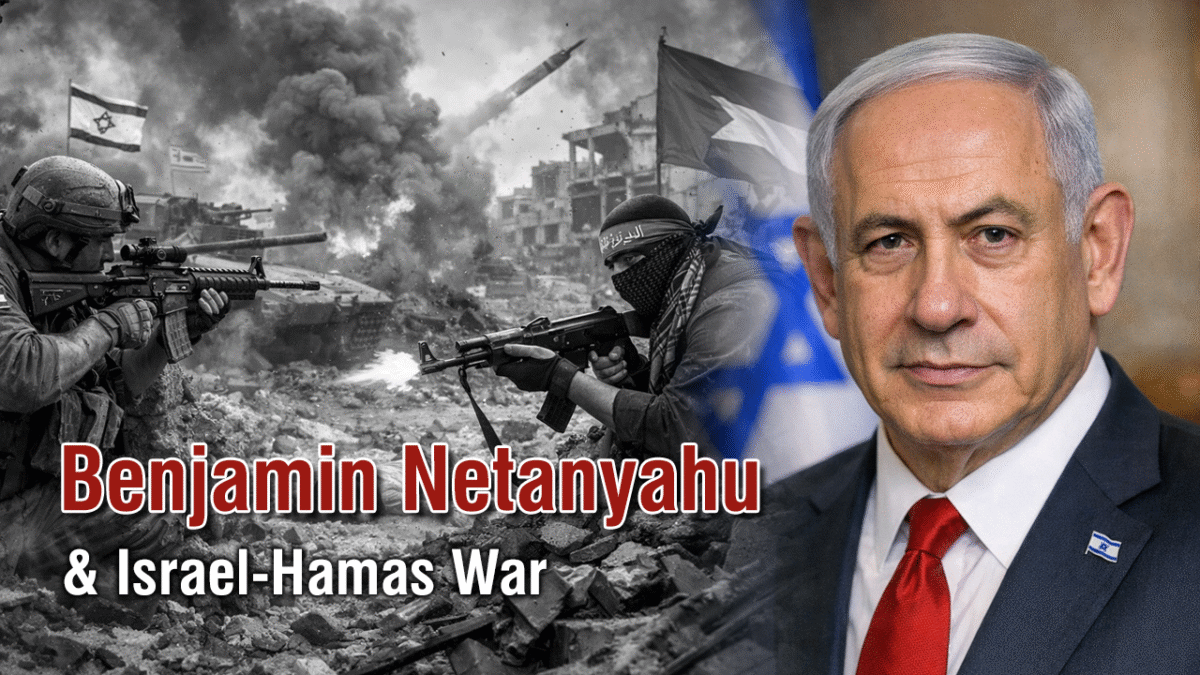
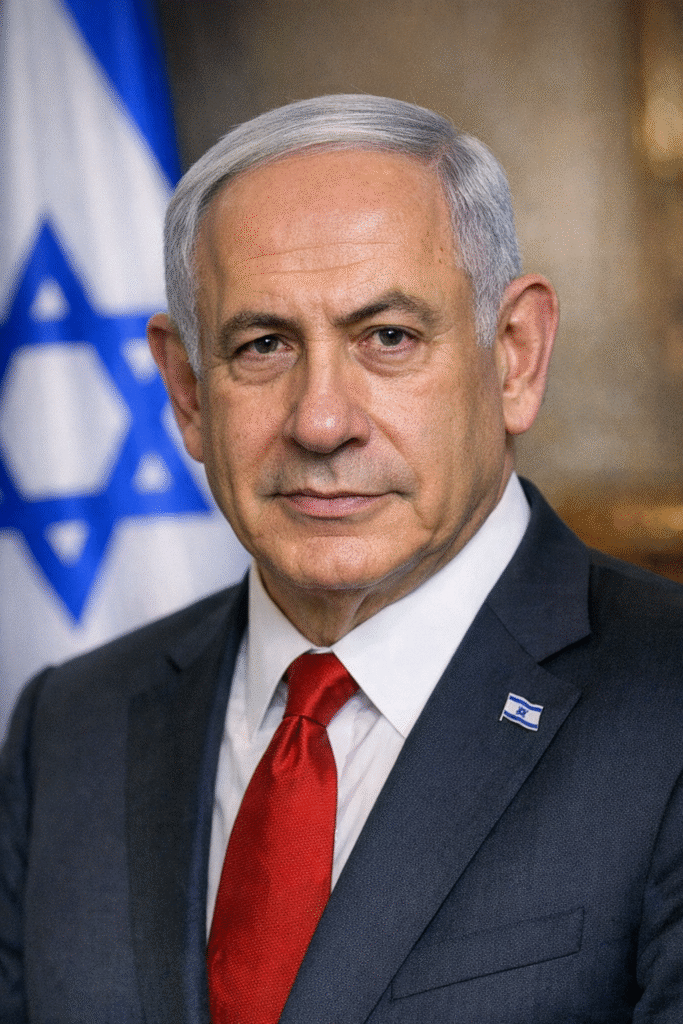
Benjamin Netanyahu

One of the most important figures in Israeli history is the politician Benjamin Netanyahu.

Benjamin Netanyahu

https://designerchoicevja.blogspot.com

Basic Data

Benjamin Netanyahu

Date of birth: October 21, 1949

Birthplace: Israel’s Tel Aviv

Party of politics: Likud

Position: Israel’s prime minister (many terms)

Benjamin Netanyahu has held the position of prime minister multiple times

From 1996 to 1999, From 2009 to 2021, 2022 to the present…

He has been prime minister of Israel for the longest.

Important Positions & Policies

firm position on military defense and security

opposes Iran’s nuclear program

backs the growth of Israeli settlements in certain West Bank regions

encouraged the Abraham Accords, which restored diplomatic ties between Israel and nations like Bahrain and the United Arab Emirates.

Significant Disputes

Charges of corruption in Israeli courts

Judicial reforms that sparked significant demonstrations in Israel were criticized.

Crucial player in the Israel-Hamas war (2023–present)

Context

studied in the United States at the Massachusetts Institute of Technology (MIT).

served in Sayeret Matkal, an elite Israeli special forces unit.

In Israeli politics, Netanyahu is frequently referred to as “Bibi.” (Benjamin Netanyahu)

Currently serving as Israel’s prime minister, Benjamin Netanyahu is the nation’s longest-serving leader. As of March 15, 2026, he is guiding Israel through a growing military confrontation with the US, Iran, and regional organizations like Hezbollah.

Assassination Rumors Dispelled: On March 15, 2026, Netanyahu’s administration released a statement denouncing widespread social media rumors that he had been killed or assassinated, labeling them “fake news” and affirming his well-being.

The role of Benjamin Netanyahu in the Israel-Hamas war from 2023 until the present

Israel’s prime minister, Benjamin Netanyahu, has taken the lead in the country’s conflict with Hamas in the Gaza Strip. The international response to the crisis, political objectives, and military tactics have all been influenced by his choices and policies.

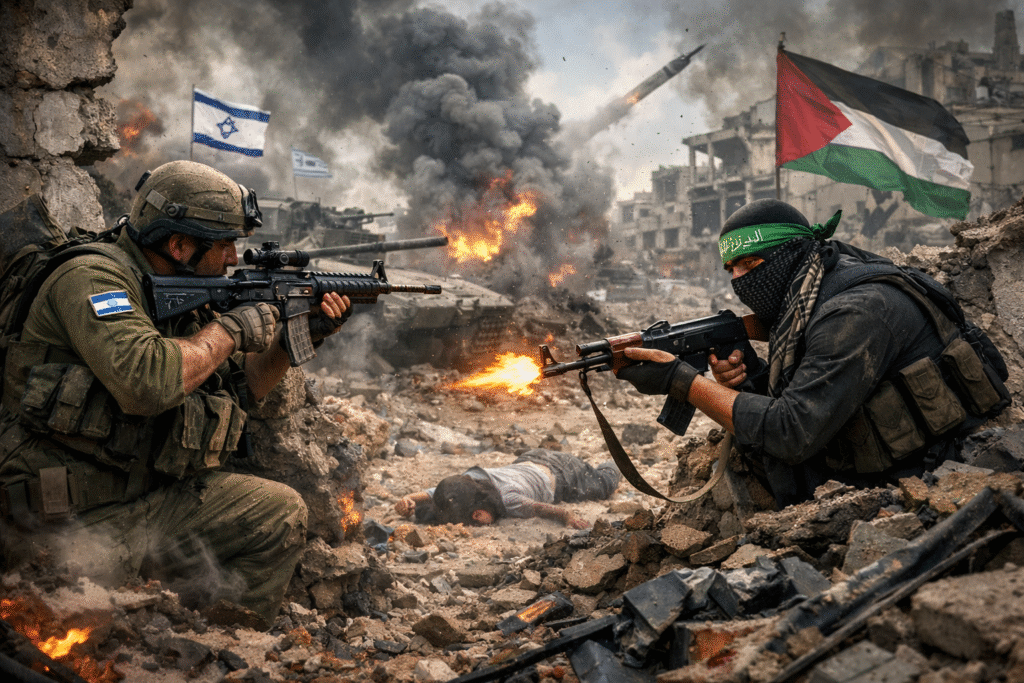
Irael and Hamas war
  • Declaring War Following the Attack on October 7

Against October 7, 2023, Hamas launched a massive offensive from Gaza against Israel, murdering civilians and capturing captives. This marked the start of the conflict. Israel’s government officially declared war on Hamas and began military actions the following day.

As Netanyahu’s prime minister approved the national war plan and the military reaction. established a war cabinet to supervise the fighting. oversaw extensive operations in Gaza by the Israeli military (IDF).

  • Principal War Goals

Benjamin Netanyahu’s administration had two primary objectives:

Destroy the military and political authority of Hamas

Rescue Israeli hostages captured during the assault on October 7.

The phrase “Eliminate Hamas and bring the hostages home” frequently encapsulates this approach.

Benjamin Netanyahu,s War
  • Gaza’s Military Strategy

Under Netanyahu’s direction, Israel executed: Airstrikes, Massive bombing of Gaza’s Hamas targets, focusing on militant leadership, weapons locations, and tunnels, Invasion of the ground.

Israeli forces sent infantry and tanks into Gaza in October 2023 to engage Hamas head-on. Among the main battlegrounds were Younis Khan, Rafah, cities in northern Gaza. Netanyahu maintained that in order to eliminate Hamas’s residual troops, even densely populated locations like Rafah had to be assaulted.

  • Hostage agreements and ceasefire talks

Additionally, Netanyahu participated in talks mediated by nations like: Egypt and Qatar, The United States.

A few brief breaks in combat are permitted:

Trade of captives and hostages, Humanitarian aid entering Gaza is scarce.

But Netanyahu has frequently insisted that the conflict must go on until Hamas is vanquished, refusing to agree to a long-term ceasefire.

  • Global Disagreement

Netanyahu’s leadership during the conflict has generated a lot of controversy.

Casualties among civilians

Much of Gaza has been damaged, and many Palestinian civilians have been killed. Tens of thousands of Gazans had perished and significant portions of the region had been destroyed by the end of 2025.

Allegations of war crimes

Netanyahu was charged with war crimes and crimes against humanity in connection with the Gaza war by the International Criminal Court, which issued an arrest warrant for him in 2024.

Israel and Netanyahu vehemently refute these charges.

  • Impact on Domestic Politics

Israeli politics have also been impacted by the war.

Netanyahu is held accountable by some Israelis for security lapses before to the October 7 attack.

There have been significant demonstrations calling for elections and a hostage agreement.

https://rapidknowledge.in

His tough military approach is backed by others.

To put it succinctly, Netanyahu is the main political figurehead guiding Israel’s strategy in the Gaza conflict. He sets military goals, authorizes operations, negotiates hostage agreements, and represents Israel abroad.

The Strait of Hormuz

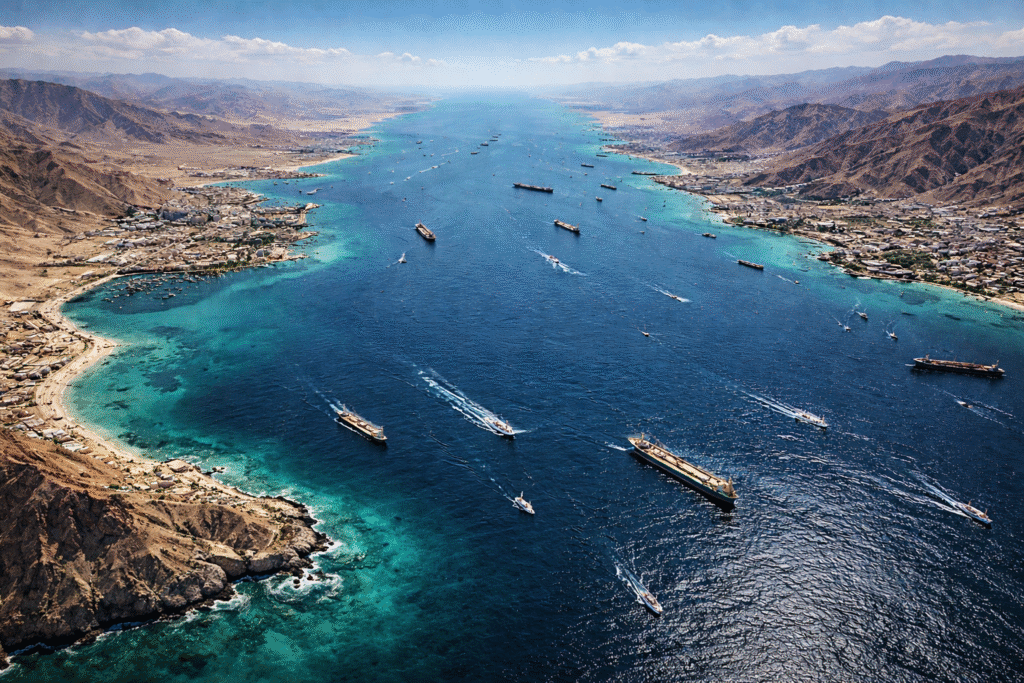
A small but crucial waterway in the Middle East is The Strait of Hormuz

Where

is between Iran (north) and the United Arab Emirates (south). links the Arabian Sea, the Gulf of Oman, and the Persian Gulf.

The Significance of It

It is among the most important oil shipping routes in the world. It handles about 20–30% of the oil traded worldwide.Important for the export of liquefied natural gas (LNG), particularly from Qatar

https://rapidknowledge.in

Dimensions

At its narrowest point, it is roughly 33 km (21 miles) broad. In either direction, shipping channels are only roughly 3 km (2 miles) wide.

Strategic Importance

Global oil prices and energy markets can be impacted by any disruption (war, military tension, blockades). During political unrest, Iran has occasionally threatened to close it.

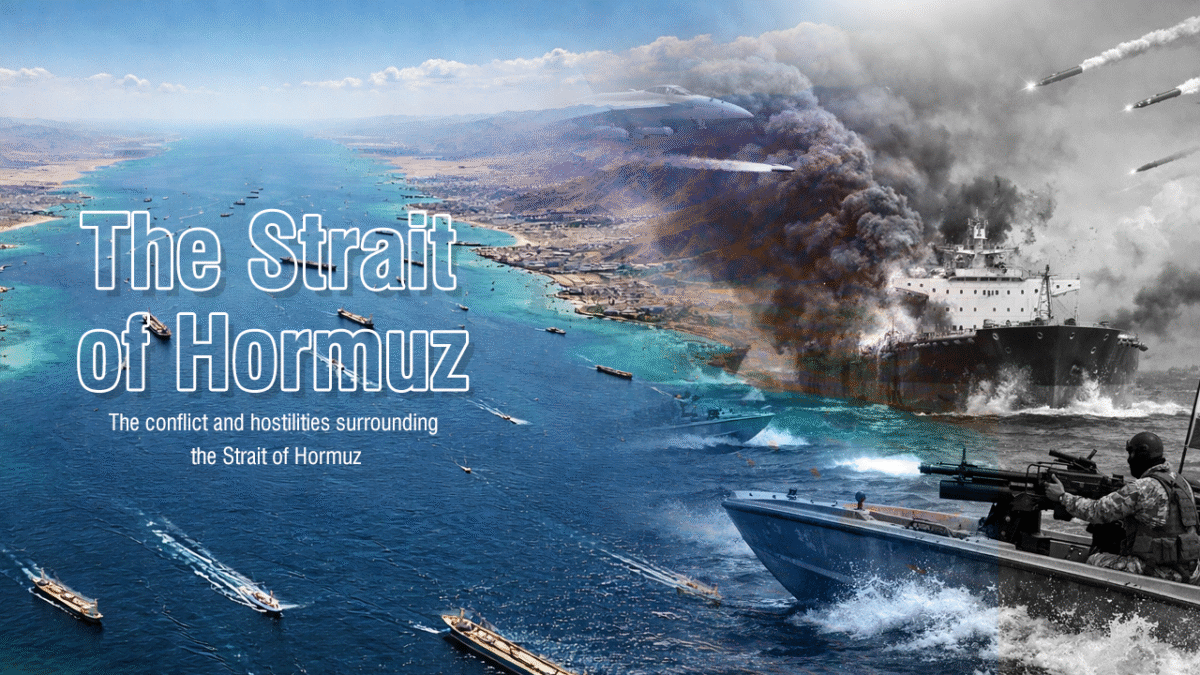
The conflict and hostilities surrounding the Strait of Hormuz

The global economy is being impacted by the conflict and tensions surrounding the Strait of Hormuz. One of the most significant energy conduits on Earth is this slender maritime path.

1. Shock to the oil supply

Approximately 20% of the world’s oil consumption, or 20 million barrels of oil per day, cross the strait. Millions of barrels of oil supplies have been affected due to the war and transportation risks. Recently, oil prices increased to nearly $120 per barrel before marginally declining.

Globally, the cost of gasoline, diesel, power, and transportation all go up as oil prices rise.

2. interruption of international trade

There is more to the Strait of Hormuz than just oil. Large volumes of petroleum products and almost 20% of the world’s LNG (natural gas) flow through it. Shipping delays are caused by tankers and cargo ships changing or halting their routes.

This has an impact on Production, Electronic devices, Medicines, International, supply networks

3. Increased living expenses and inflation

If the strait remains sealed, experts caution which is Fuel costs are rising, Transportation expenses are rising, Food costs also rising. Inflation around the world might get worse.

Due to the fact that diesel drives trucks, ships, and agricultural machinery, a lack of the fuel alone may slow the world economy.

4. Significant effects on Asia, especially India

The hardest-hit nations are those that import oil. Approximately 90% of India’s oil is imported, and a large portion of it passes through this area. Europe, South Korea, China, and Japan all significantly depend on this route. 

Therefore, if the disruption persists, fuel costs in nations like India may increase.

If a conflict affects the Strait of Hormuz

The supply of oil declines, Fuel costs are rising. Trade and shipping slow down Globally, inflation is rising.

a significant portion of global energy flows through this small canal.

https://shreecreativeworksvja.blogspot.com

The Strait of Hormuz plays a crucial role in global energy distribution, serving as a vital chokepoint for oil shipments. Disruptions in this strategic waterway would lead to a marked decrease in oil supply, significantly impacting fuel prices in oil-importing nations such as India. As global trade and shipping operations slow, inflationary pressures are likely to escalate worldwide. The importance of maintaining stability in the Strait of Hormuz cannot be overstated, as it underpins the economic vitality of numerous countries reliant on its passage for energy resources.