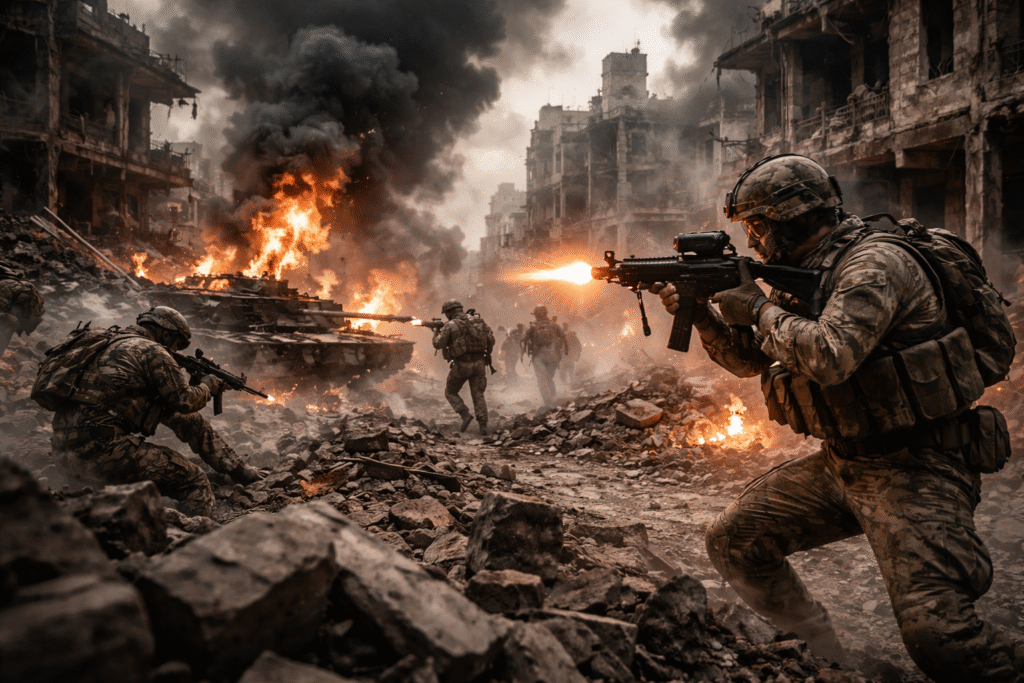

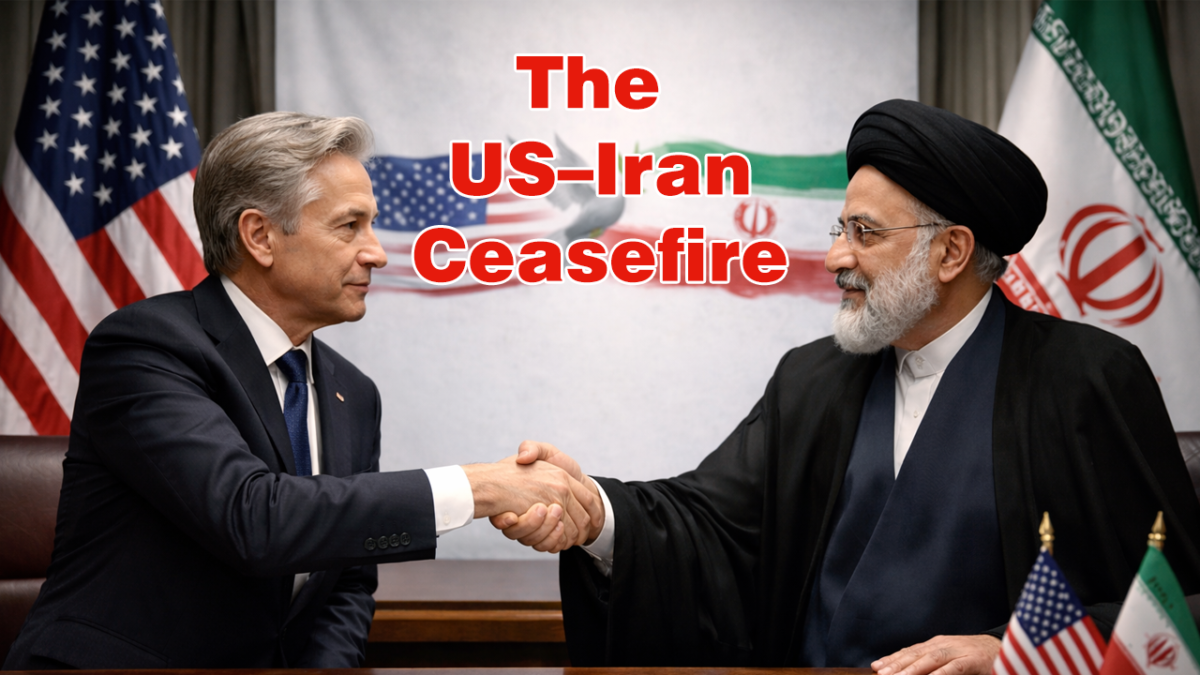
The US–Iran Ceasefire

The US–Iran Ceasefire (April 2026) is not a long-term peace agreement, but rather a precarious one.

What is the ceasefire? (US–Iran Ceasefire)

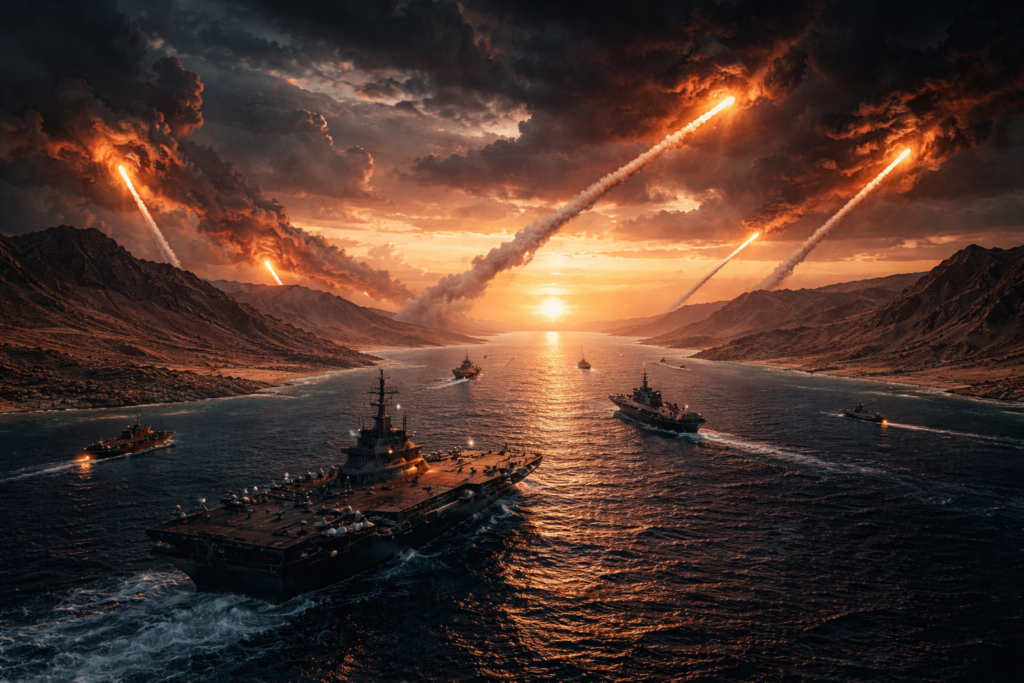
Around April 8, 2026, the United States and Iran started a two-week ceasefire.

Pakistan mediated it in an attempt to halt the war’s escalation.

One crucial requirement is that Iran permit oil transportation via the Strait of Hormuz once more.

US–Iran Ceasefire , Why it’s important

The fighting had already interfered with shipping lanes and the world’s energy supplies.

The Strait of Hormuz is strategically important since it transports over 25% of the world’s oil commerce.

Global economic harm might persist even after the ceasefire.

What is the ceasefire? (US–Iran Ceasefire)

Around April 8, 2026, the United States and Iran started a two-week ceasefire.

Pakistan mediated it in an attempt to halt the war’s escalation.

One crucial requirement is that Iran permit oil transportation via the Strait of Hormuz once more.

Why it’s important (US–Iran Ceasefire)

The fighting had already interfered with shipping lanes and the world’s energy supplies.

The Strait of Hormuz is strategically important since it transports over 25% of the world’s oil commerce.

Global economic harm might persist even after the ceasefire.

Present circumstances as of right now (US–Iran Ceasefire)

There is pressure on the ceasefire.
Terms and trust issues continue to be contentious.

Discussions are still going on, although they are unclear.
Shipping is still interrupted
Traffic hasn’t returned to normal, and several oil tankers remain stalled.
Tensions in the region persist
The truce is being complicated by fighting between Israel and Hezbollah (Lebanon).
There is disagreement among some parties over whether Lebanon is covered by the ceasefire.

Important issues with the ceasefire (US–Iran Ceasefire)

Short-term (around two weeks)
No complete consensus on military or nuclear matters
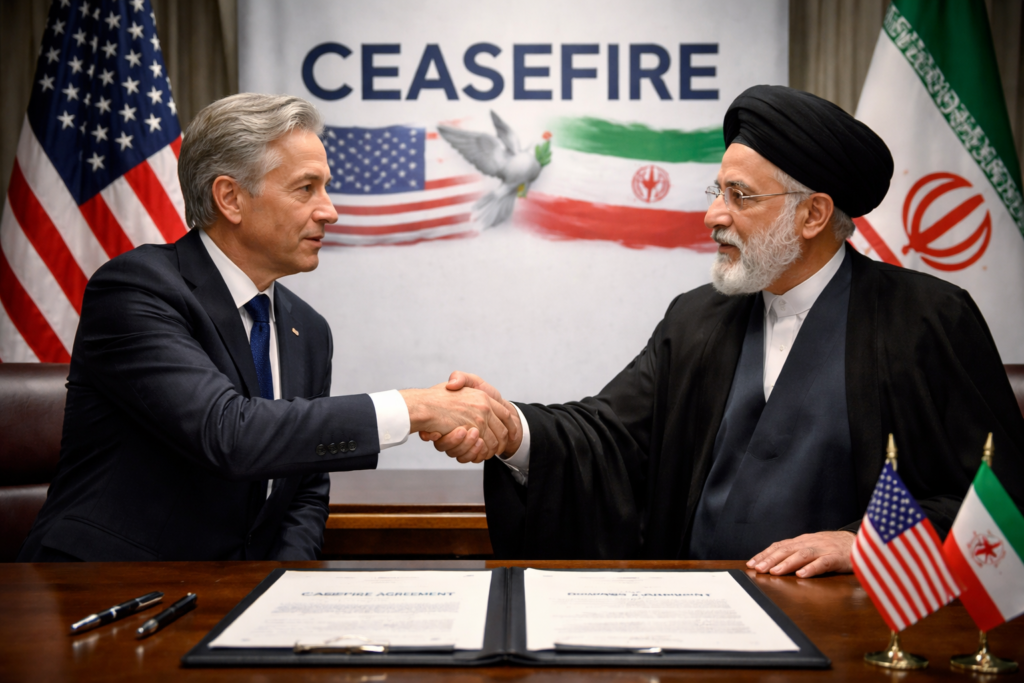
US–Iran Ceasefire

The US, Iran, and Israel have different perspectives.
Proxy wars that are still going on in the area

The ceasefire between the US and Iran is not peace, but rather a pause in hostilities. Although it lowers the immediate risk of war, it might fall apart at any point if hostilities resurface.

most realistic future scenarios

In order of likelihood to risk, these are the most plausible future possibilities following the US-Iran ceasefire in April 2026

1.  (probably)

Although there is a temporary ceasefire in place, tensions are still high.

What takes place

The US and Iran are still having backchannel discussions.
Quietly, limited military operations (cyberattacks, covert operations) resume.

The Strait of Hormuz’s oil flows gradually improve.

A “cold conflict”—not a genuine war, but neither a true peace.

2. Collapse of the (US–Iran Ceasefire) ceasefire → Limited war

A trigger event causes the truce to end.

Potential causes

Oil tanker attack in the Persian Gulf
Iran-backed organizations launched a missile strike
Direct conflict with Israel

What takes place

Resuming airstrikes and naval combat
US targets military installations in Iran
Iran interferes with shipping once more

A brief but fierce battle (weeks to months), a jump in oil prices worldwide

3. The intensification of regional conflicts

The US vs. Iran conflict is not the only one.

Who participates

Iran and its proxies Against Israel
Lebanon’s Hezbollah
Saudi Arabia and other Gulf states

What takes place

War on multiple fronts (Lebanon, Syria, Gulf seas)
Large-scale missile exchanges
Damage to infrastructure and civilians increases dramatically

Global economic shock and war throughout the Middle East

4. The nuclear crisis (high risk, low chance, but serious)

if hostilities get out of control.

What takes place

Iran’s nuclear program is accelerating
Preemptive strikes are taken into consideration by the US or Israel.
Nuclear plants are targeted

Extreme escalation danger and worldwide panic (but still preventable)

5. Breakthrough agreement (ideal, but challenging)

Diplomacy is successful.

What would be needed

A new nuclear pact
Iran’s sanctions are lifted
assurances of security in the area

Long-term stability, normalization of oil markets, and a notable decrease in tensions

https://designerchoicevja.blogspot.com/

Key takeaway

70% likelihood → tense/fragile peace
20% probability → limited conflict
8–9% probability → regional escalation
A 1-2% likelihood of a nuclear crisis
Low but optimistic → a genuine peace agreement

The Strait of Hormuz is the most important thing to keep an eye on.

Peace will prevail if shipping remains open.  If it is prevented, the conflict quickly intensifies.

How does Hezbollah relate to Lebanon?

Hezbollah is crucial to any US-Iranian battle since it is one of Iran’s most significant partners in the Middle East.

1. Hezbollah’s definition

A strong political and militant organization with its headquarters in Lebanon
controls important military units, including fighters, drones, and rockets.

A component of the political system in Lebanon

Consider it both a political party and a militia.
Militant

https://rapidknowledge.in/2026/03/28/https-rapidknowledge-southern-lebanon/

2. The relationship between Iran and Hezbollah

Hezbollah is frequently referred to as Iran’s most powerful proxy.

Iran provides Hezbollah with

Finance , Weapons (drones, missiles)
Education (via the Islamic Revolutionary Guard Corps)
Iran’s motivation for doing this
To use force without going to war
To put pressure on US allies including Israel
to establish a deterrent force close to Israel’s boundaries

3. Participation in the US-Iran war

One important “backup force” for Iran is Hezbollah.

If the conflict intensifies

Israel could be attacked by Hezbollah from southern Lebanon.
Send out thousands of rockets
Launch a second front in the conflict
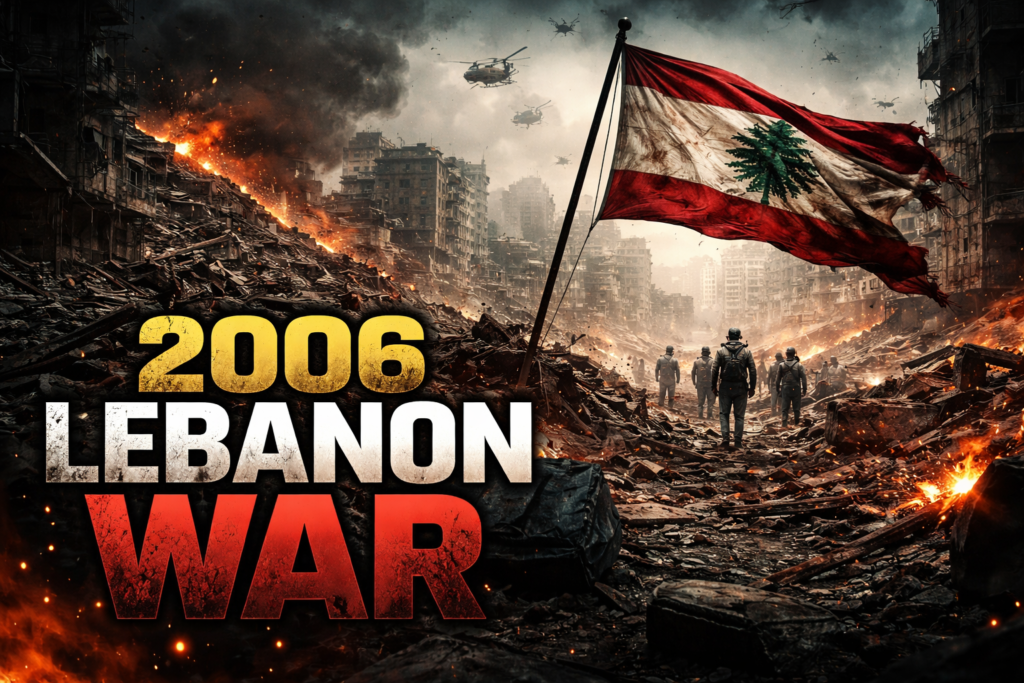
Lebanon war

As a result, a conflict between the US and Iran becomes a regional conflict.

4. The reason for Israel’s involvement

Israel and Hezbollah have long been at odds.
In 2006, they engaged in a significant conflict in Lebanon.

Hezbollah’s missile arsenal makes it a serious danger to Israel.

5. Why this is important right now

In the present state of the ceasefire

Even if the war between the US and Iran is halted…
Hezbollah is still able to carry out indirect assaults.

 The ceasefire (US–Iran Ceasefire) is brittle because of this

Hezbollah and other proxy groups could not be completely under its authority. A brief synopsis
Iran’s closest regional ally is Hezbollah.
serves as a stand-in for the US and Israel.
can intensify hostilities even if Iran stops
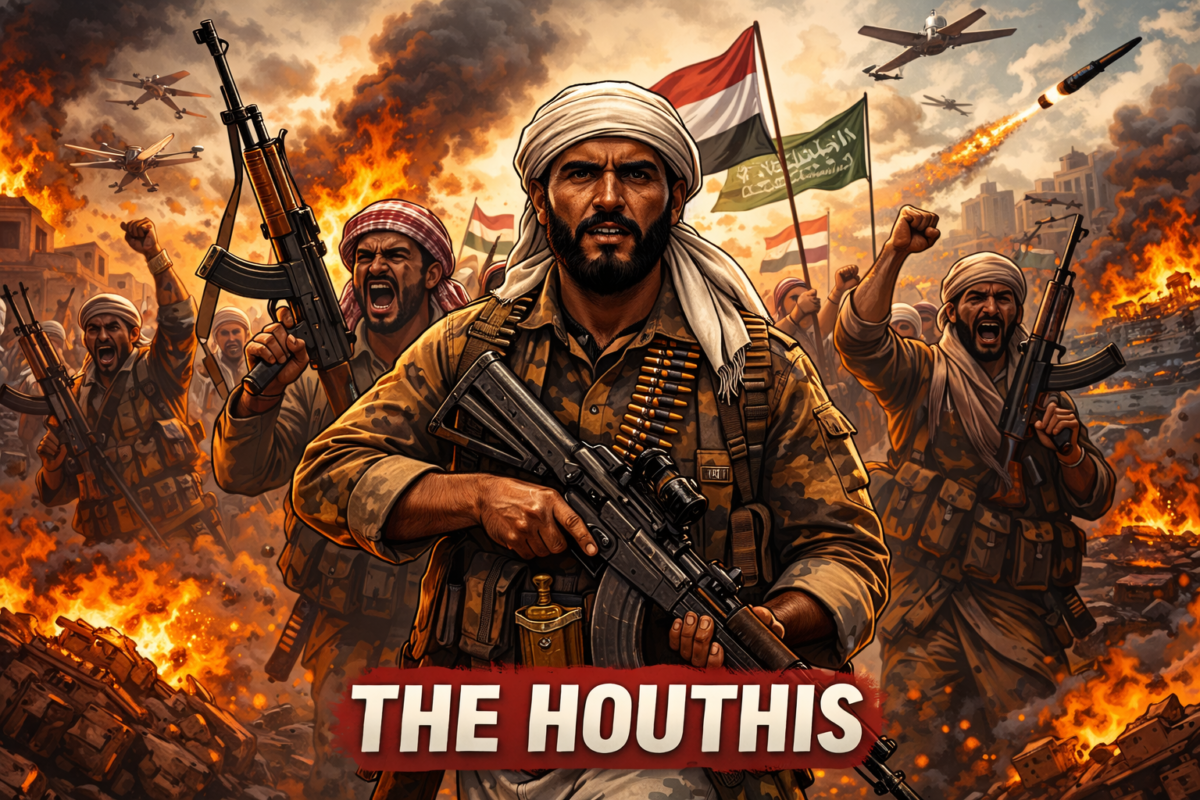
Who are the Houthis in Yemen

The Houthis, formally known as Ansar Allah, are a Yemeni political and militant group.

Who they are

A northern Yemeni Shia Muslim community known as the Zaydi
In honor of Hussein Badreddin al-Houthi, their founder
began as a social and religious revival movement in the 1990s.

What they turned into

became an armed rebel organization in the early 2000s.
fought against Ali Abdullah Saleh’s Yemeni administration

increased authority amid the turmoil of the Arab Spring

Significant turning point

They overran Sanaa, the capital of Yemen, in 2014 and drove out the country’s internationally recognized government.

A civil war resulted from this.

Participation abroad

In order to combat them, a coalition led by Saudi Arabia intervened in 2015. Although Iran disputes complete authority, it is often thought that Iran supports the Houthis.

Why the news is about them

They have attacked Saudi Arabia and other targets using missiles and drones.
They have recently targeted ships in the Red Sea while claiming support for Palestinians.

Their objectives

Yemen’s increased autonomy and political power
opposition to foreign influence, particularly that of the United States and Saudi Arabia

Encourage their understanding of Islam and government.

The Houthis are now more than just rebels; they are a significant force in Middle Eastern geopolitics and essentially govern a sizable portion of Yemen.

Are the Houthis backed by Iran?

Yes, Iran is often thought to support the Houthis, but the connection is not one of complete control. It’s not so much direct command as it is support plus alliance.

The Houthis

https://designerchoicevja.blogspot.com/

The true meaning of “Iran-backed”

Iran aids the Houthis in a number of ways, according to the majority of nations and experts.

Technology and weapons (drones, missiles)
Military guidance and training
Finance and shipping of oil

Networks for the smuggling of equipment and parts

For instance, it has been reported that Iran has supplied the Houthi military with materials and technical know-how for drones and missiles.

Additionally, there is proof that Houthi operations are supported by supplies and supply routes connected to Iran.

However, not total control

In Yemen, the Houthis (Ansar Allah) have their own regional objectives.
They decide on their own, particularly when it comes to internal politics.

Compared to organizations like Hezbollah, they are not as strictly regulated.

Iran is a key sponsor, although the Houthis are an autonomous actor with similar aims.

Why they collaborate

They are in agreement because they both disagree

United States influence in Saudi Arabia

Israel (in the most recent wars)

Indeed, Iran supports the Houthis. However, they have their own objective and are not puppets. Their collaboration is a major factor in the Yemeni conflict’s integration into a broader Middle East power struggle.

why the strikes in the Red Sea are important worldwide.

The attacks in the Red Sea are significant on a global scale because they affect trade, energy, and geopolitics.

Red Sea

1. An important route for international trade

One of the world’s busiest shipping lanes, the Suez Canal, is connected to the Red Sea.
Approximately 10% to 15% of world trade goes through this location.

The shortest sea route connects Europe with Asia.

Global supply chains are disrupted when ships avoid the route due to attacks.

2. Prices and shipping expenses increase

Ships use the Cape of Good Hope to reroute around Africa.
This lengthens travel times by 10 to 15 days.

Costs of fuel, insurance, and freight rise

Outcome:

Increased global prices for products
Delivery delays (food, oil, gadgets, etc.)

3. The risk of oil and energy

Transporting gas and oil from the Middle East depends on the Red Sea. Disruptions can

Increase the price of oil globally
Make the energy markets uncertain

Global economies can be shaken by even minor attacks.

4. The possibility of a larger conflict

According to the assailants, Ansar Allah, they target ships associated with Israel or its allies.
This draws in several nations

This increases the likelihood of a more extensive regional conflict.

The US and its allies are defending shipping
Iran has an indirect connection to

5. Exposure of global supply chain vulnerability

The following “chokepoints” are crucial to the world ………………

The Red Sea

Canal of Suez
Attacks highlight the vulnerability of international trading systems.

Prices and availability can be impacted globally by a conflict in one area.

6. Possible effects in the real world

More expensive imported items
Variations in fuel prices

Delays in shipping, particularly between Europe and Asia.

https://rapidknowledge.in/2026/04/01/the-war-between-america-and-iran/

The attacks in the Red Sea are significant because they jeopardize a vital global lifeline that affects not only the Middle East but also trade, energy, and world stability.


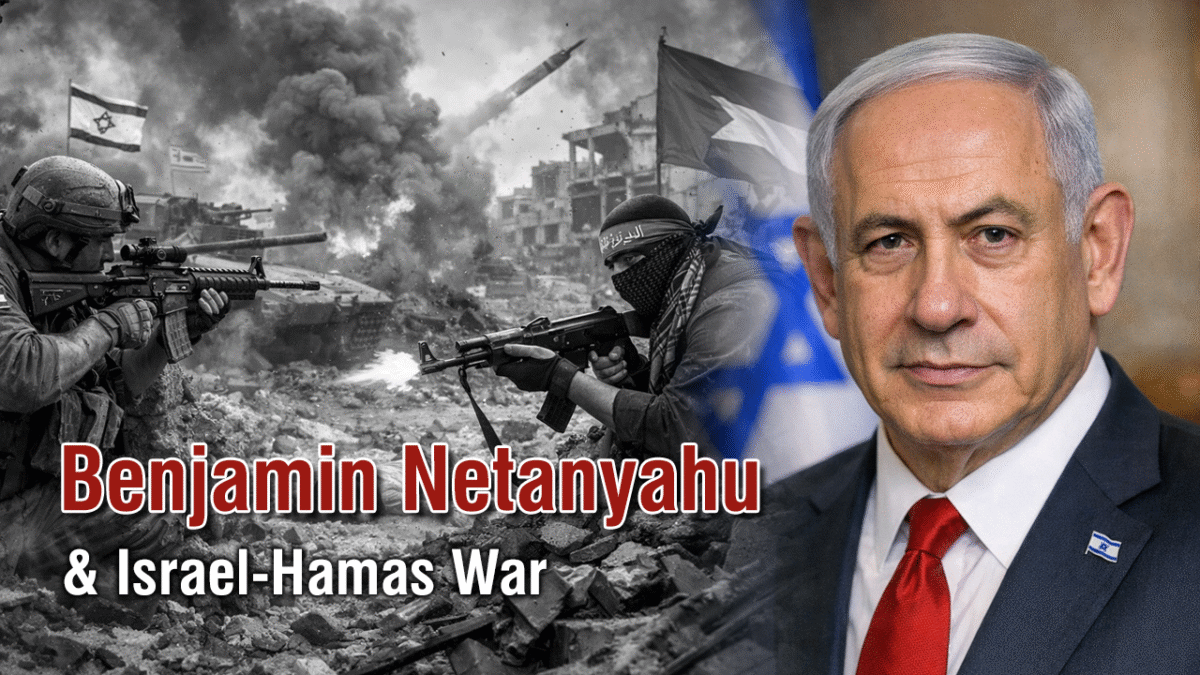
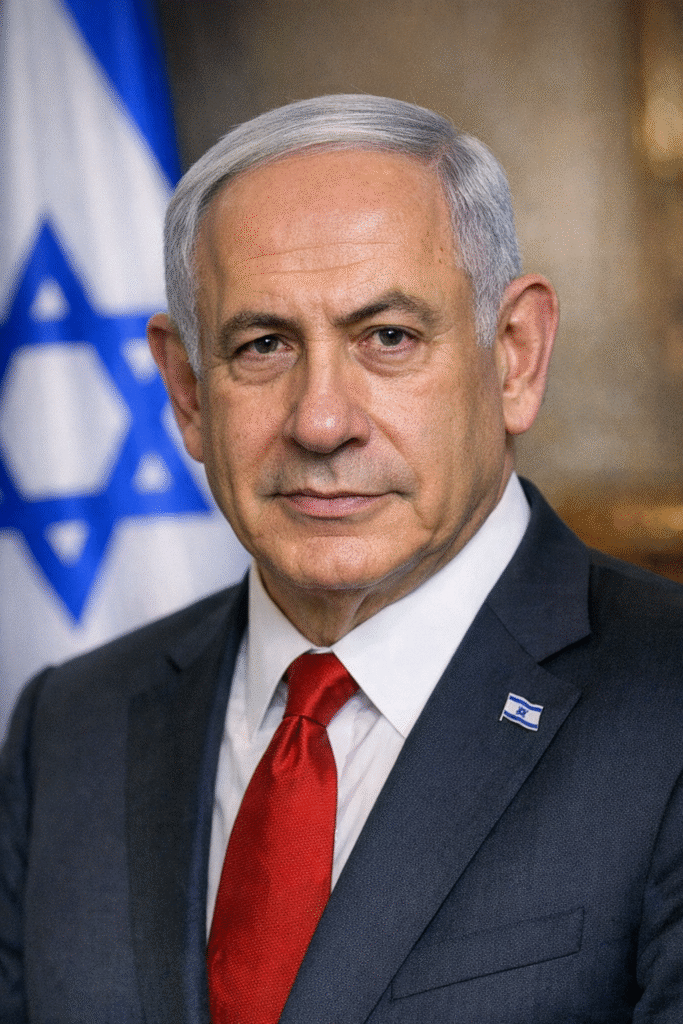
Benjamin Netanyahu

One of the most important figures in Israeli history is the politician Benjamin Netanyahu.

Benjamin Netanyahu

https://designerchoicevja.blogspot.com

Basic Data

Benjamin Netanyahu

Date of birth: October 21, 1949

Birthplace: Israel’s Tel Aviv

Party of politics: Likud

Position: Israel’s prime minister (many terms)

Benjamin Netanyahu has held the position of prime minister multiple times

From 1996 to 1999, From 2009 to 2021, 2022 to the present…

He has been prime minister of Israel for the longest.

Important Positions & Policies

firm position on military defense and security

opposes Iran’s nuclear program

backs the growth of Israeli settlements in certain West Bank regions

encouraged the Abraham Accords, which restored diplomatic ties between Israel and nations like Bahrain and the United Arab Emirates.

Significant Disputes

Charges of corruption in Israeli courts

Judicial reforms that sparked significant demonstrations in Israel were criticized.

Crucial player in the Israel-Hamas war (2023–present)

Context

studied in the United States at the Massachusetts Institute of Technology (MIT).

served in Sayeret Matkal, an elite Israeli special forces unit.

In Israeli politics, Netanyahu is frequently referred to as “Bibi.” (Benjamin Netanyahu)

Currently serving as Israel’s prime minister, Benjamin Netanyahu is the nation’s longest-serving leader. As of March 15, 2026, he is guiding Israel through a growing military confrontation with the US, Iran, and regional organizations like Hezbollah.

Assassination Rumors Dispelled: On March 15, 2026, Netanyahu’s administration released a statement denouncing widespread social media rumors that he had been killed or assassinated, labeling them “fake news” and affirming his well-being.

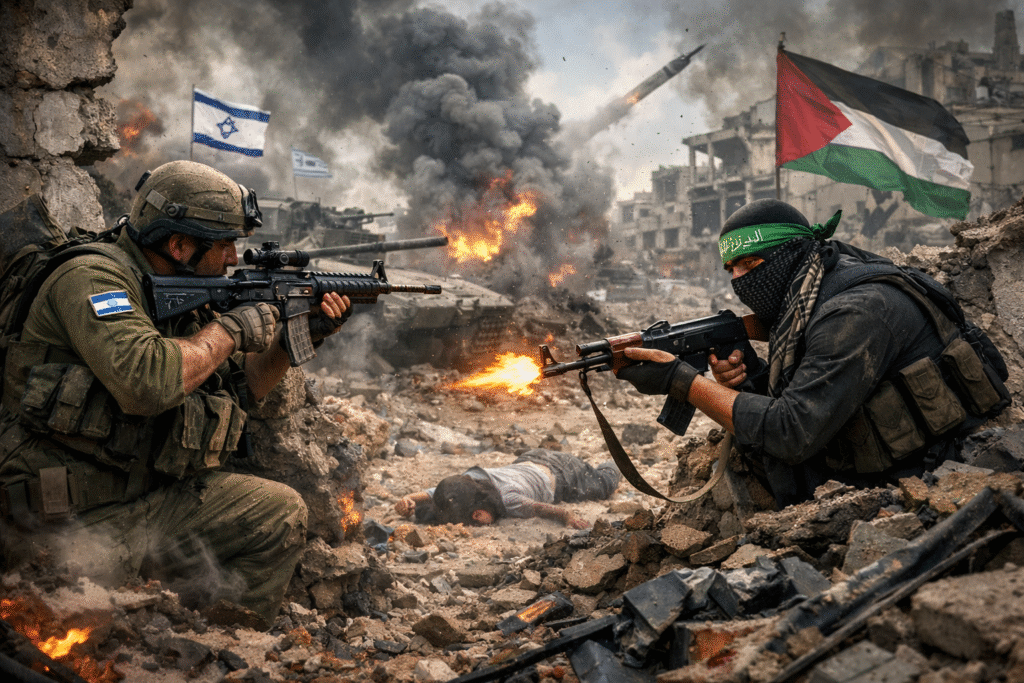
The role of Benjamin Netanyahu in the Israel-Hamas war from 2023 until the present

Israel’s prime minister, Benjamin Netanyahu, has taken the lead in the country’s conflict with Hamas in the Gaza Strip. The international response to the crisis, political objectives, and military tactics have all been influenced by his choices and policies.

Irael and Hamas war
  • Declaring War Following the Attack on October 7

Against October 7, 2023, Hamas launched a massive offensive from Gaza against Israel, murdering civilians and capturing captives. This marked the start of the conflict. Israel’s government officially declared war on Hamas and began military actions the following day.

As Netanyahu’s prime minister approved the national war plan and the military reaction. established a war cabinet to supervise the fighting. oversaw extensive operations in Gaza by the Israeli military (IDF).

  • Principal War Goals

Benjamin Netanyahu’s administration had two primary objectives:

Destroy the military and political authority of Hamas

Rescue Israeli hostages captured during the assault on October 7.

The phrase “Eliminate Hamas and bring the hostages home” frequently encapsulates this approach.

Benjamin Netanyahu,s War
  • Gaza’s Military Strategy

Under Netanyahu’s direction, Israel executed: Airstrikes, Massive bombing of Gaza’s Hamas targets, focusing on militant leadership, weapons locations, and tunnels, Invasion of the ground.

Israeli forces sent infantry and tanks into Gaza in October 2023 to engage Hamas head-on. Among the main battlegrounds were Younis Khan, Rafah, cities in northern Gaza. Netanyahu maintained that in order to eliminate Hamas’s residual troops, even densely populated locations like Rafah had to be assaulted.

  • Hostage agreements and ceasefire talks

Additionally, Netanyahu participated in talks mediated by nations like: Egypt and Qatar, The United States.

A few brief breaks in combat are permitted:

Trade of captives and hostages, Humanitarian aid entering Gaza is scarce.

But Netanyahu has frequently insisted that the conflict must go on until Hamas is vanquished, refusing to agree to a long-term ceasefire.

  • Global Disagreement

Netanyahu’s leadership during the conflict has generated a lot of controversy.

Casualties among civilians

Much of Gaza has been damaged, and many Palestinian civilians have been killed. Tens of thousands of Gazans had perished and significant portions of the region had been destroyed by the end of 2025.

Allegations of war crimes

Netanyahu was charged with war crimes and crimes against humanity in connection with the Gaza war by the International Criminal Court, which issued an arrest warrant for him in 2024.

Israel and Netanyahu vehemently refute these charges.

  • Impact on Domestic Politics

Israeli politics have also been impacted by the war.

Netanyahu is held accountable by some Israelis for security lapses before to the October 7 attack.

There have been significant demonstrations calling for elections and a hostage agreement.

https://rapidknowledge.in

His tough military approach is backed by others.

To put it succinctly, Netanyahu is the main political figurehead guiding Israel’s strategy in the Gaza conflict. He sets military goals, authorizes operations, negotiates hostage agreements, and represents Israel abroad.

The Strait of Hormuz

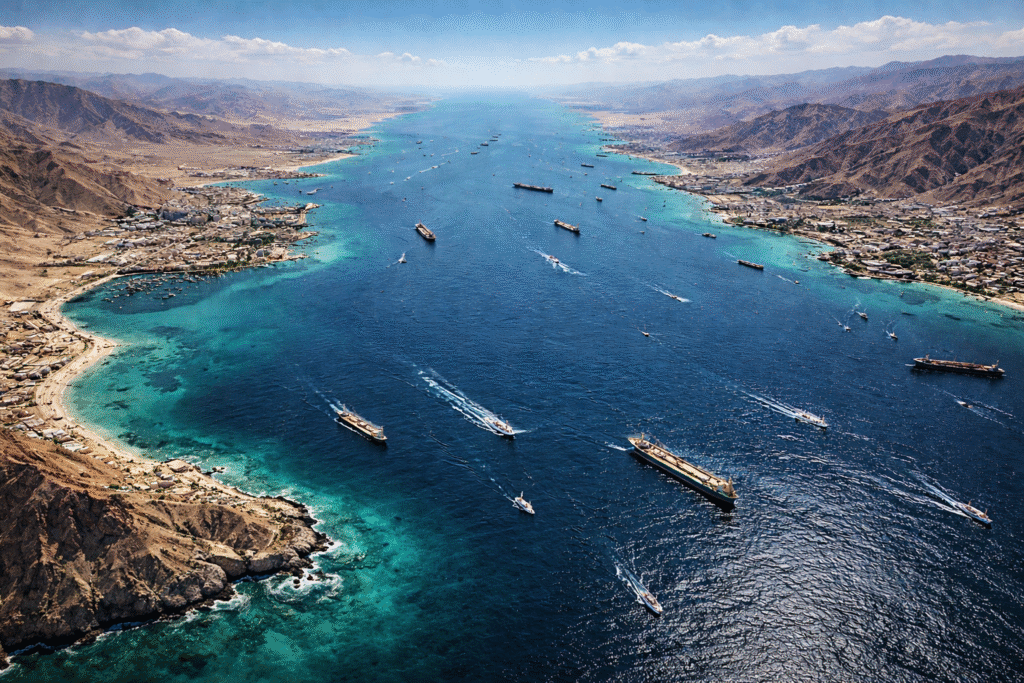
A small but crucial waterway in the Middle East is The Strait of Hormuz

Where

is between Iran (north) and the United Arab Emirates (south). links the Arabian Sea, the Gulf of Oman, and the Persian Gulf.

The Significance of It

It is among the most important oil shipping routes in the world. It handles about 20–30% of the oil traded worldwide.Important for the export of liquefied natural gas (LNG), particularly from Qatar

https://rapidknowledge.in

Dimensions

At its narrowest point, it is roughly 33 km (21 miles) broad. In either direction, shipping channels are only roughly 3 km (2 miles) wide.

Strategic Importance

Global oil prices and energy markets can be impacted by any disruption (war, military tension, blockades). During political unrest, Iran has occasionally threatened to close it.

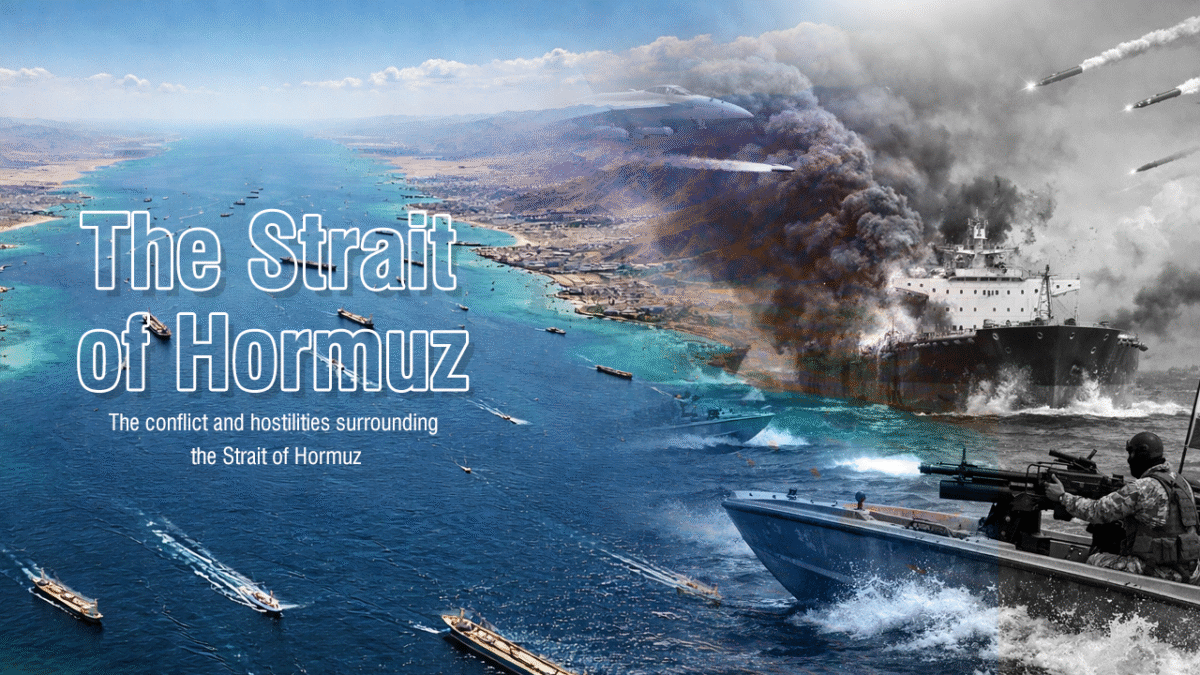
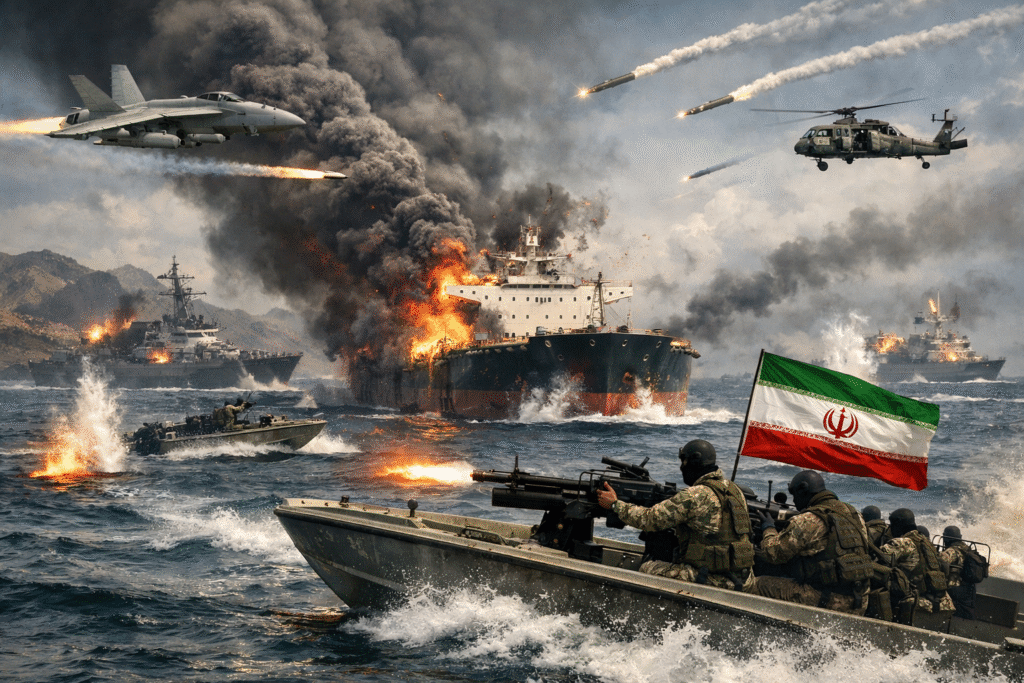
The conflict and hostilities surrounding the Strait of Hormuz

The global economy is being impacted by the conflict and tensions surrounding the Strait of Hormuz. One of the most significant energy conduits on Earth is this slender maritime path.

1. Shock to the oil supply

Approximately 20% of the world’s oil consumption, or 20 million barrels of oil per day, cross the strait. Millions of barrels of oil supplies have been affected due to the war and transportation risks. Recently, oil prices increased to nearly $120 per barrel before marginally declining.

Globally, the cost of gasoline, diesel, power, and transportation all go up as oil prices rise.

2. interruption of international trade

There is more to the Strait of Hormuz than just oil. Large volumes of petroleum products and almost 20% of the world’s LNG (natural gas) flow through it. Shipping delays are caused by tankers and cargo ships changing or halting their routes.

This has an impact on Production, Electronic devices, Medicines, International, supply networks

3. Increased living expenses and inflation

If the strait remains sealed, experts caution which is Fuel costs are rising, Transportation expenses are rising, Food costs also rising. Inflation around the world might get worse.

Due to the fact that diesel drives trucks, ships, and agricultural machinery, a lack of the fuel alone may slow the world economy.

4. Significant effects on Asia, especially India

The hardest-hit nations are those that import oil. Approximately 90% of India’s oil is imported, and a large portion of it passes through this area. Europe, South Korea, China, and Japan all significantly depend on this route. 

Therefore, if the disruption persists, fuel costs in nations like India may increase.

If a conflict affects the Strait of Hormuz

The supply of oil declines, Fuel costs are rising. Trade and shipping slow down Globally, inflation is rising.

a significant portion of global energy flows through this small canal.

https://shreecreativeworksvja.blogspot.com

The Strait of Hormuz plays a crucial role in global energy distribution, serving as a vital chokepoint for oil shipments. Disruptions in this strategic waterway would lead to a marked decrease in oil supply, significantly impacting fuel prices in oil-importing nations such as India. As global trade and shipping operations slow, inflationary pressures are likely to escalate worldwide. The importance of maintaining stability in the Strait of Hormuz cannot be overstated, as it underpins the economic vitality of numerous countries reliant on its passage for energy resources.