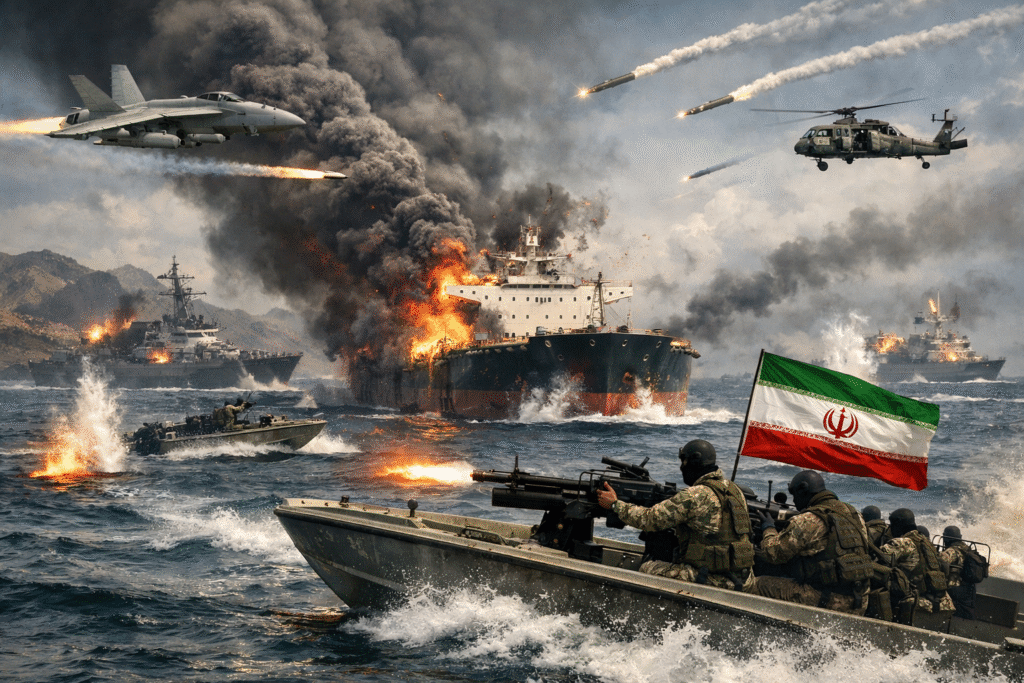

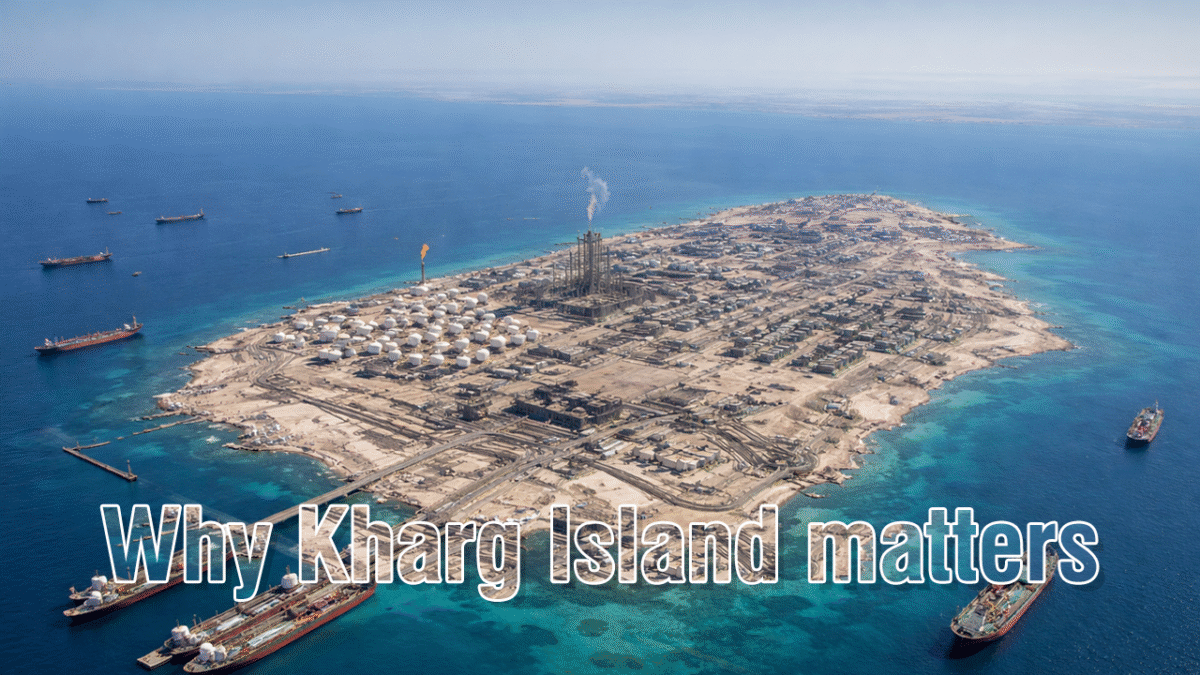
Why Kharg Island matters

The term “Kharg Island attack” refers to actual or purported incidents involving military activities or threats directed at Iran’s vital oil export facility, Kharg Island.

The significance of Kharg Island

manages almost 90% of Iran’s oil exports.

Situated in the Persian Gulf

vital to the world’s oil supply and prices

Historical and Current Background

1. The 1980–1988 Iran–Iraq War

Iraq brutally attacked Kharg Island during the Iran-Iraq War.

Targeting oil infrastructure as part of the “Tanker War” phase

Iran fixed the island several times to maintain exports.
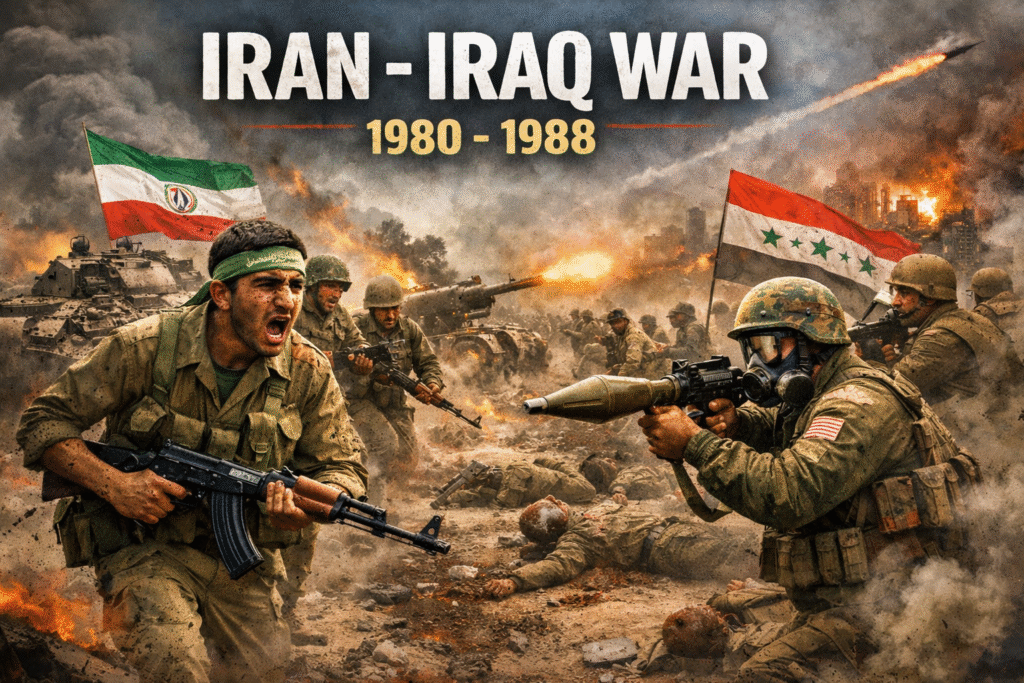
iran-iraq war

https://designerchoicevja.blogspot.com

2. Contemporary Tensions (2019–Present)

Although there hasn’t been a significant proven “destruction” attack recently, Kharg Island is frequently mentioned in:

Iran-Israel shadow war

Tensions between the US and Iran in the Gulf

Covert and cyberattacks aimed at oil infrastructure

Here are some rumors and reports

Israel (secret operations)

US (strategic pressure)

Oil shipping routes are impacted by regional instability

Should Kharg Island be severely damaged

Disruption of the global oil supply

The price of oil could suddenly rise

Conflict in the Middle East is intensifying.

Effect on shipping via the Hormuz Strait

A Reality Check

Online headlines about the “Kharg Island attack” are frequently gossip, conjecture, or false facts.

Large-scale attacks that have been confirmed recently are uncommon or unverified.

The island is still well guarded.

What is now taking place

1. Significant American airstrikes on Kharg Island

Large-scale American airstrikes targeted Kharg Island during March 13–17, 2026.

More than ninety military objectives were destroyed, including drone facilities, naval mine storage, and missile shelters.

The attacks are a part of a larger conflict that involves Iran, the United States, and indirectly Israel.

Crucial

The majority of oil facilities were not attacked in order to prevent a worldwide energy collapse.

2. Conflicting damage claims

The island was “totally demolished,” according to certain political allegations.

However, actual data reveals

After a brief hiatus, oil exports swiftly resumed.

Iran claims that manufacturing is still operating as usual.

In actuality

Heavy military damage

Oil infrastructure is mostly unaltered.

3. The worldwide oil shock

Fear of disruption caused oil prices to soar past $100 per barrel.

Nearby tensions in the Strait of Hormuz influence almost 20% of the world’s oil supply.

4. The extremely critical Strait of Hormuz situation

Iran has attacked or blocked shipping lanes.

Global trade is hampered as numerous ships are stranded.

A portion of the oil is being diverted to Jask and other ports.

5. Escalation risk

The United States warned that if tensions persist, it may target oil infrastructure next.

Iran threatened to retaliate against regional energy infrastructure.

Overview (basic)

This is not a single incident; rather, it is a component of a broader Middle East battle (the Iranian confrontation in 2026).

Iran’s oil business is centered on Kharg Island, so

Even little strikes have a worldwide influence.

A full attack would result in a global energy crisis.

The worst-case scenario if Kharg is destroyed

Not just a local issue, but a worldwide chain reaction would result from the total destruction or knockout of Kharg Island. This is a step-by-step breakdown of the realistic worst-case scenario.
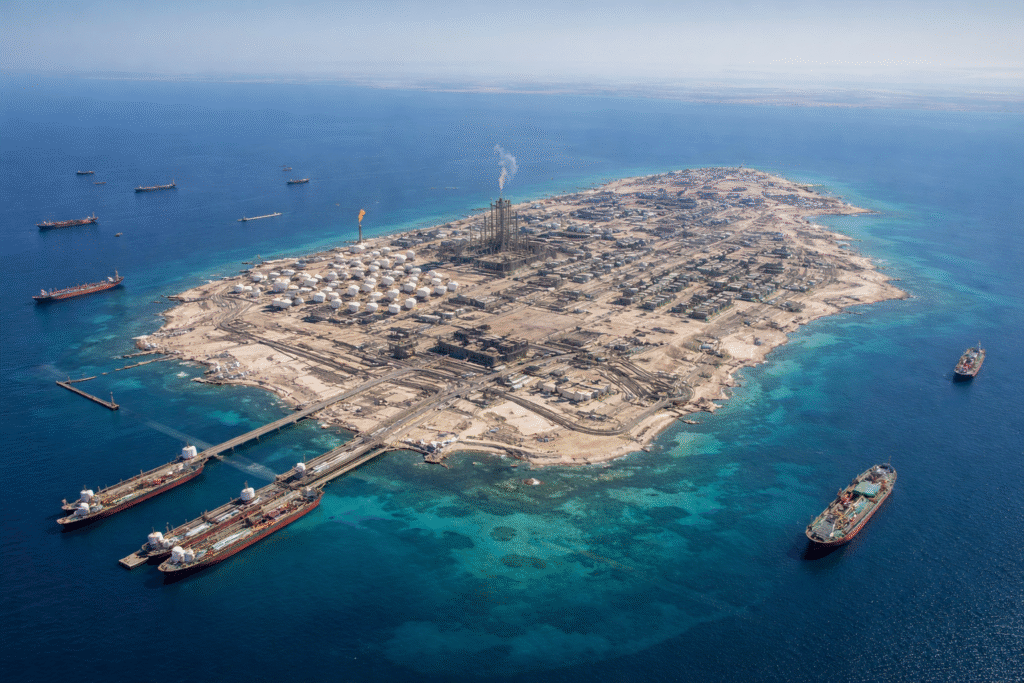
https://rapidknowledge.in

1. Oil Shock Right Away (within hours)

Iran’s ability to export oil is reduced by almost 90%.

Every day, millions of barrels disappear from the world’s supply.

The price per barrel could rise to $150–$200+.

Why is it so extreme?

Because Kharg, which is situated in the Persian Gulf, is Iran’s primary export lifeline

2. The Hormuz Strait Crisis

Iran might block the Strait of Hormuz in retaliation.

This is where about 20% of the world’s oil travels.

In the worst scenario

Tankers stopped or attacked

Iran and the United States engaging in a naval battle

3. Comprehensive Regional Conflict

Conflict spreads throughout

Israel

Gulf countries (UAE, Saudi Arabia)

Proxy organizations in Yemen, Lebanon, and Iraq

Potential results

Missile attacks on oil fields

Attacks on cities by drones

Gulf War naval combat

4. The Shock to the World Economy

The cost of fuel (gasoline, diesel, and aviation fuel) is rising globally.

Inflation increases in nations such as India

Stock market crashes, particularly in economies that rely heavily on energy

Particularly in India

The cost of gasoline and diesel could increase significantly.

Costs of food and transportation rise

The cost of imports could cause the rupee to decline.

5. Dissection of the Supply Chain

Shipping lanes become dangerous

Tanker insurance premiums are soaring.

Postponements in

Oil, Gas, Products traveling via Middle Eastern routes

6. Involvement of Global Power

NATO nations could step in.

China might intervene to safeguard the oil supplies.

Risk of conflict between many nations

7. Extreme Situation (high impact, low probability)

If the escalation spirals

Increased nuclear tensions (indirectly)

Cyberattacks against international energy networks

Global energy crisis

A Reality Check

Even under the “worst-case” scenario

Iran has backup terminals, such as Jask.

Emergency oil can be released from global reserves (US, allies).

Kharg’s strong defenses make complete devastation extremely difficult.

Conclusion

In the event that Kharg Island is destroyed:

The world’s oil crisis

Potential conflict in the region

Global economic shock

Direct effect on inflation and fuel costs in India
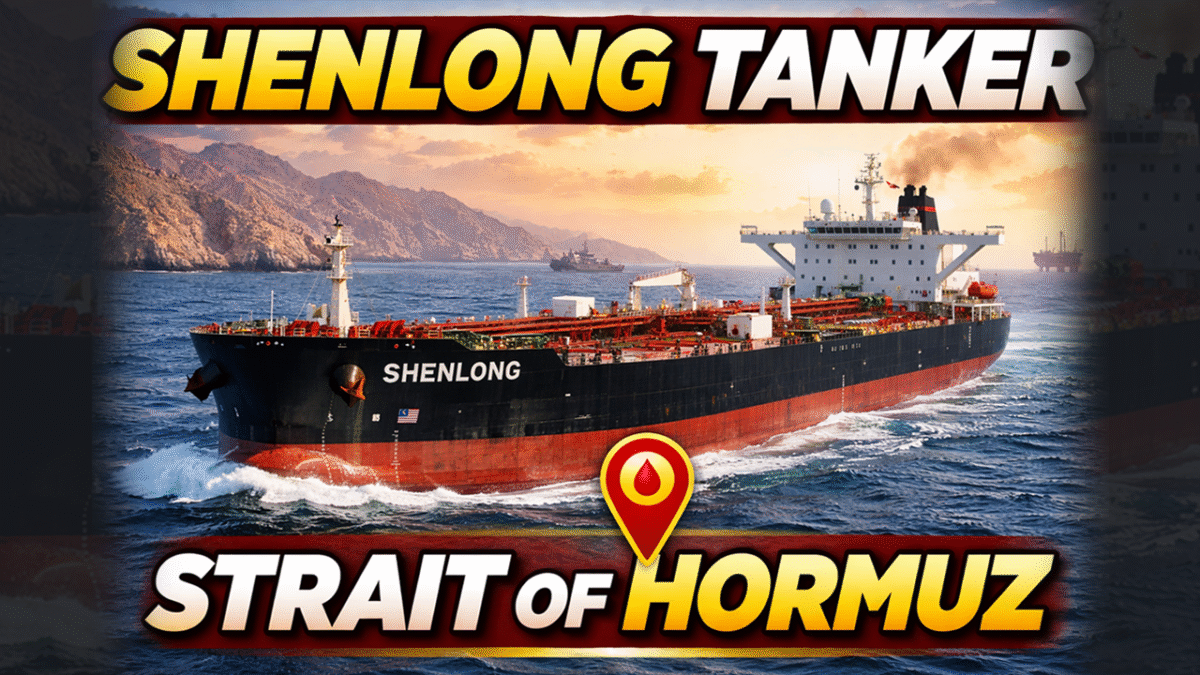
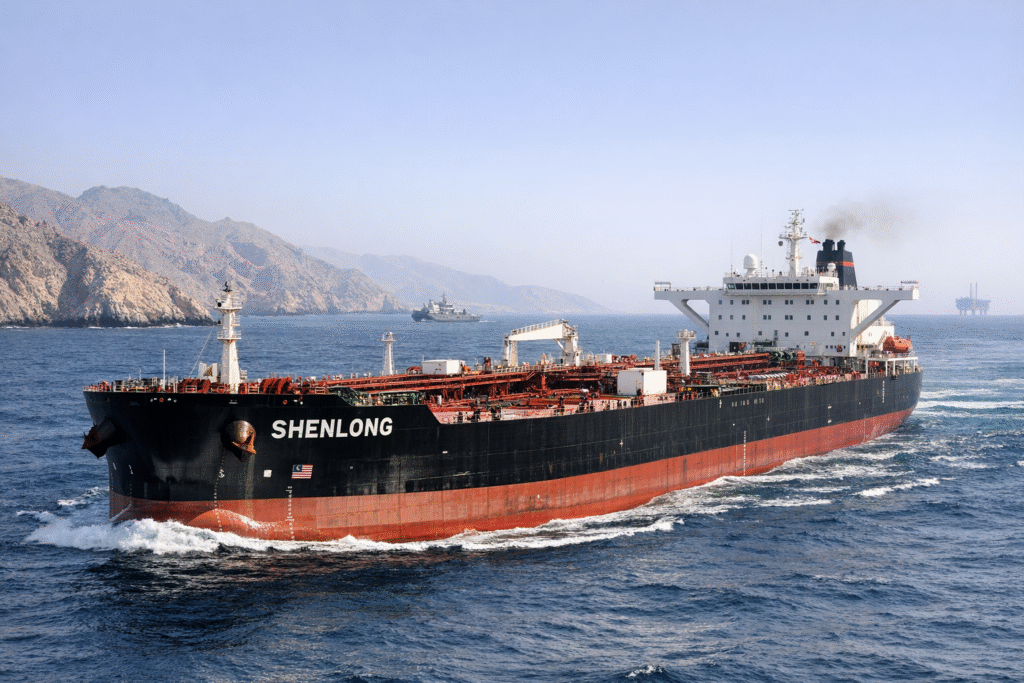
Shenlong Suezmax – Shenlong Tanker

During the West Asia conflict, on March 11–12, 2026, the Liberian-flagged tanker Shenlong Suezmax – Shenlong Tanker became the first ship to successfully transit the Strait of Hormuz while transporting Saudi crude to Mumbai, India. Other ships, such as the Indian-flagged tankers Pushpak and Parimal, followed.

Shenlong Suezmax - Shenlong Tanker

https://designerchoicevja.blogspot.com

Safe Passage

Following discussions between Indian and Iranian officials, the ship and others were granted safe passage.

Operational Security

In order to navigate the high-risk area, the tanker turned off its Automatic Identification System (AIS), a process known as “going dark.”

Condition

Other ships had been targeted during a period of increased regional tensions.

Description of Shenlong Suezmax – Shenlong Tanker

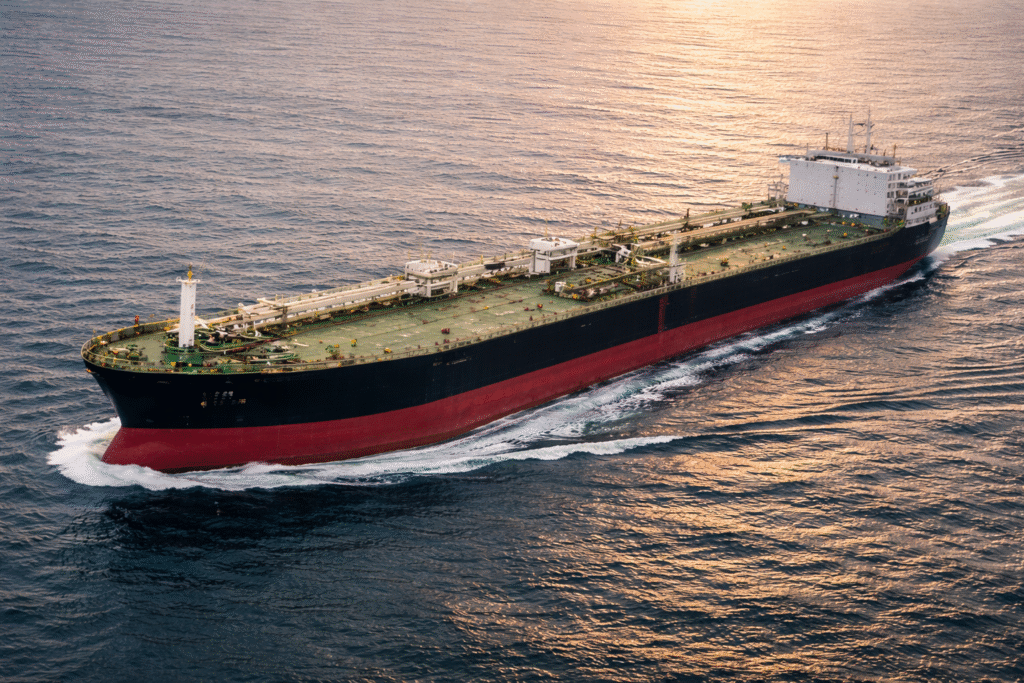
A big crude oil tanker in the Suezmax class is the Shenlong Suezmax – Shenlong Tanker, sometimes simply referred to as Shenlong. These ships are built to transport massive amounts of crude oil across oceans, and when fully laden, they are precisely sized to fit through the Suez Canal.

The Significance of “Suezmax”

The biggest vessel that can pass through the Suez Canal without offloading cargo is a Suezmax tanker.

Typical requirements:

Deadweight: between 120,000 and 200,000 tons,

Length: around 270–285 meters

Beam width: around 45 to 50 meters

Capacity for cargo: around one million barrels of crude oil

These tankers are frequently utilized on the following routes
the persian Gulf, Europe, Asia

The Shenlong Tanker’s Objective :

Ships such as Shenlong are accustomed to

Transport crude oil from nations that produce it

Provide refineries worldwide

Operate along important oil transportation routes, such as the Suez Canal and the Strait of Hormuz.

Due to the critical nature of these routes, any conflict in places like the Strait of Hormuz might impact tankers like Shenlong and interfere with the world’s oil supply.

The Significance of Suezmax Tankers :

Compared to smaller tankers, their operating costs are lower per barrel.

They are adaptable and can utilize numerous international ports as well as the Suez Canal.

They transport a significant amount of the global crude oil trade.

https://rapidknowledge.in

The Strait of Hormuz

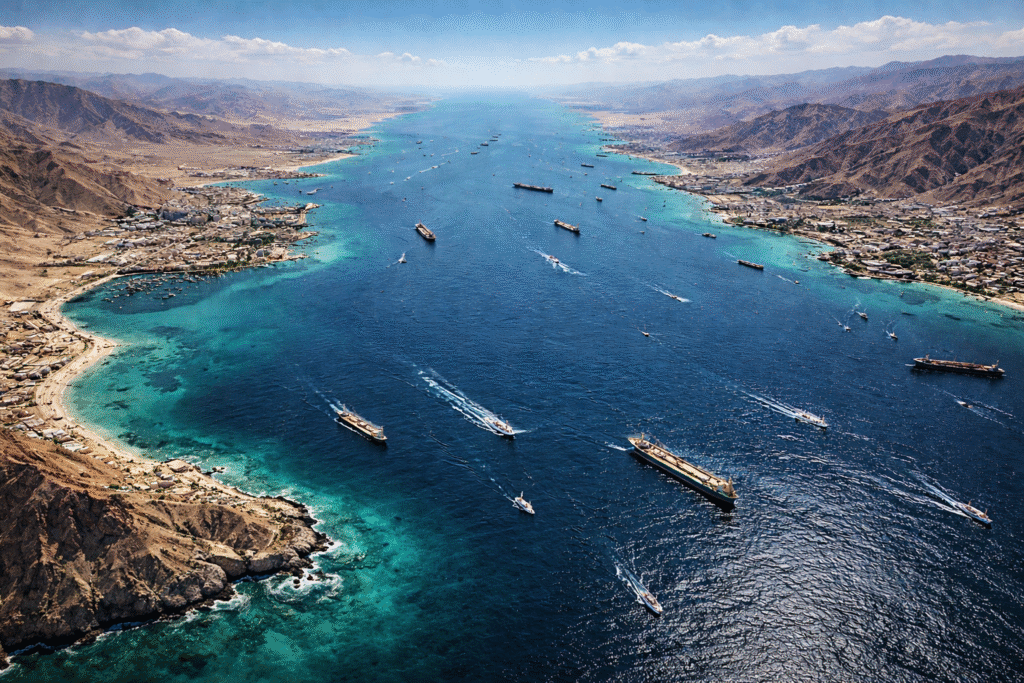
A small but crucial waterway in the Middle East is The Strait of Hormuz

Where

is between Iran (north) and the United Arab Emirates (south). links the Arabian Sea, the Gulf of Oman, and the Persian Gulf.

The Significance of It

It is among the most important oil shipping routes in the world. It handles about 20–30% of the oil traded worldwide.Important for the export of liquefied natural gas (LNG), particularly from Qatar

https://rapidknowledge.in

Dimensions

At its narrowest point, it is roughly 33 km (21 miles) broad. In either direction, shipping channels are only roughly 3 km (2 miles) wide.

Strategic Importance

Global oil prices and energy markets can be impacted by any disruption (war, military tension, blockades). During political unrest, Iran has occasionally threatened to close it.

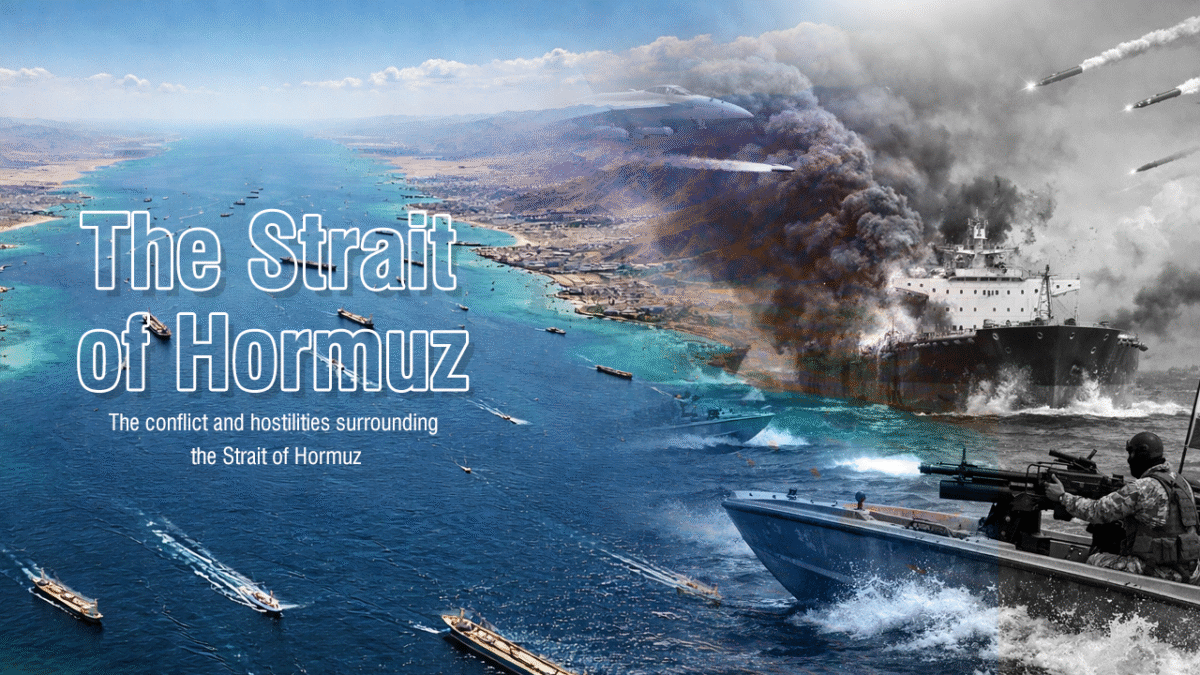
The conflict and hostilities surrounding the Strait of Hormuz

The global economy is being impacted by the conflict and tensions surrounding the Strait of Hormuz. One of the most significant energy conduits on Earth is this slender maritime path.

1. Shock to the oil supply

Approximately 20% of the world’s oil consumption, or 20 million barrels of oil per day, cross the strait. Millions of barrels of oil supplies have been affected due to the war and transportation risks. Recently, oil prices increased to nearly $120 per barrel before marginally declining.

Globally, the cost of gasoline, diesel, power, and transportation all go up as oil prices rise.

2. interruption of international trade

There is more to the Strait of Hormuz than just oil. Large volumes of petroleum products and almost 20% of the world’s LNG (natural gas) flow through it. Shipping delays are caused by tankers and cargo ships changing or halting their routes.

This has an impact on Production, Electronic devices, Medicines, International, supply networks

3. Increased living expenses and inflation

If the strait remains sealed, experts caution which is Fuel costs are rising, Transportation expenses are rising, Food costs also rising. Inflation around the world might get worse.

Due to the fact that diesel drives trucks, ships, and agricultural machinery, a lack of the fuel alone may slow the world economy.

4. Significant effects on Asia, especially India

The hardest-hit nations are those that import oil. Approximately 90% of India’s oil is imported, and a large portion of it passes through this area. Europe, South Korea, China, and Japan all significantly depend on this route. 

Therefore, if the disruption persists, fuel costs in nations like India may increase.

If a conflict affects the Strait of Hormuz

The supply of oil declines, Fuel costs are rising. Trade and shipping slow down Globally, inflation is rising.

a significant portion of global energy flows through this small canal.

https://shreecreativeworksvja.blogspot.com

The Strait of Hormuz plays a crucial role in global energy distribution, serving as a vital chokepoint for oil shipments. Disruptions in this strategic waterway would lead to a marked decrease in oil supply, significantly impacting fuel prices in oil-importing nations such as India. As global trade and shipping operations slow, inflationary pressures are likely to escalate worldwide. The importance of maintaining stability in the Strait of Hormuz cannot be overstated, as it underpins the economic vitality of numerous countries reliant on its passage for energy resources.