
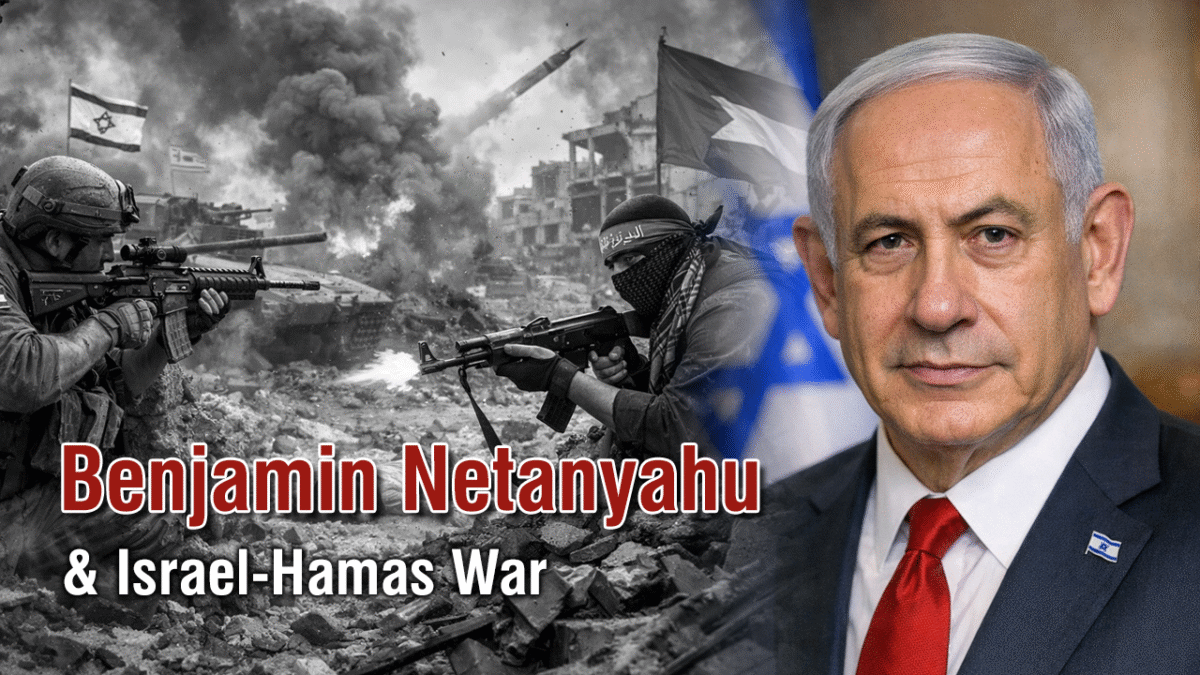
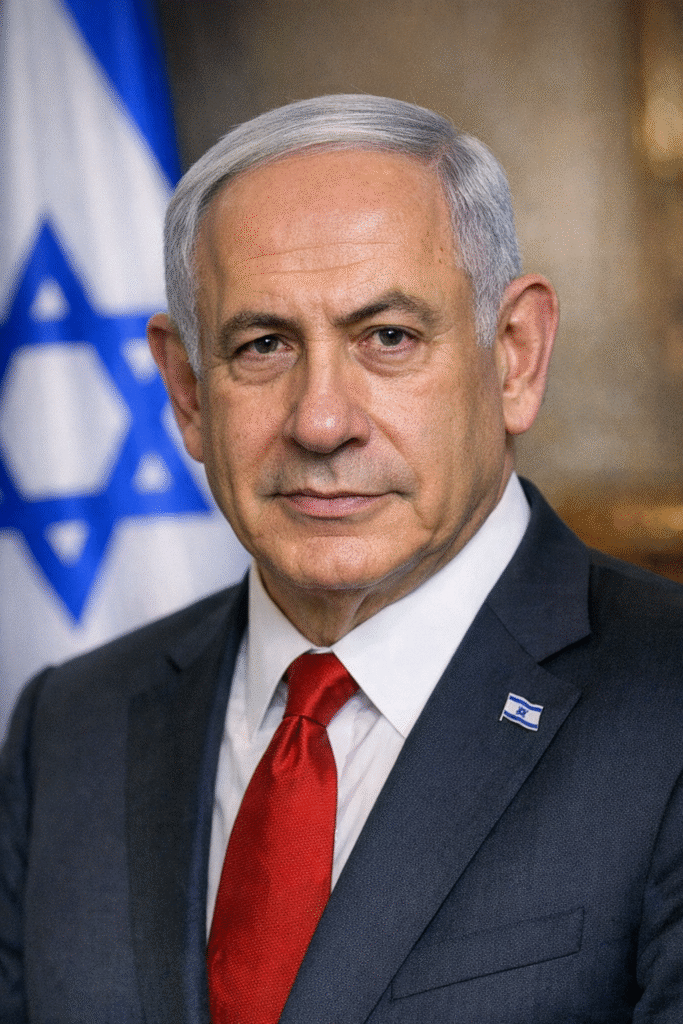
One of the most important figures in Israeli history is the politician Benjamin Netanyahu.
https://designerchoicevja.blogspot.com
Basic Data
Benjamin Netanyahu
Date of birth: October 21, 1949
Birthplace: Israel’s Tel Aviv
Party of politics: Likud
Position: Israel’s prime minister (many terms)
Benjamin Netanyahu has held the position of prime minister multiple times
From 1996 to 1999, From 2009 to 2021, 2022 to the present…
He has been prime minister of Israel for the longest.
Important Positions & Policies
firm position on military defense and security
opposes Iran’s nuclear program
backs the growth of Israeli settlements in certain West Bank regions
encouraged the Abraham Accords, which restored diplomatic ties between Israel and nations like Bahrain and the United Arab Emirates.
Significant Disputes
Charges of corruption in Israeli courts
Judicial reforms that sparked significant demonstrations in Israel were criticized.
Crucial player in the Israel-Hamas war (2023–present)
Context
studied in the United States at the Massachusetts Institute of Technology (MIT).
served in Sayeret Matkal, an elite Israeli special forces unit.
In Israeli politics, Netanyahu is frequently referred to as “Bibi.” (Benjamin Netanyahu)
Currently serving as Israel’s prime minister, Benjamin Netanyahu is the nation’s longest-serving leader. As of March 15, 2026, he is guiding Israel through a growing military confrontation with the US, Iran, and regional organizations like Hezbollah.
Assassination Rumors Dispelled: On March 15, 2026, Netanyahu’s administration released a statement denouncing widespread social media rumors that he had been killed or assassinated, labeling them “fake news” and affirming his well-being.
The role of Benjamin Netanyahu in the Israel-Hamas war from 2023 until the present
Israel’s prime minister, Benjamin Netanyahu, has taken the lead in the country’s conflict with Hamas in the Gaza Strip. The international response to the crisis, political objectives, and military tactics have all been influenced by his choices and policies.
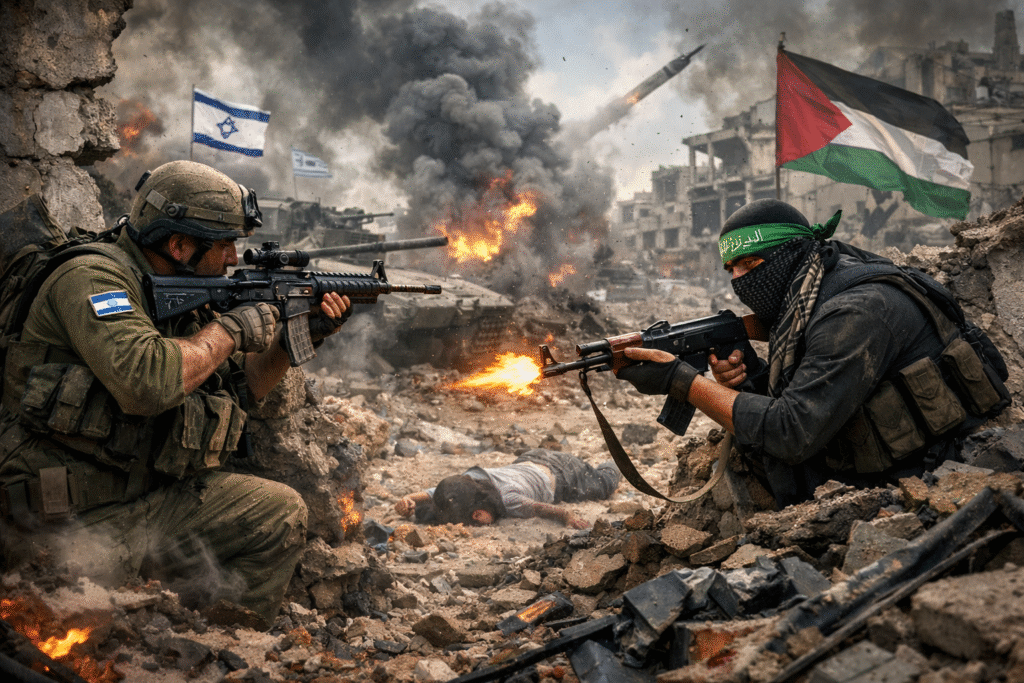
- Declaring War Following the Attack on October 7
Against October 7, 2023, Hamas launched a massive offensive from Gaza against Israel, murdering civilians and capturing captives. This marked the start of the conflict. Israel’s government officially declared war on Hamas and began military actions the following day.
As Netanyahu’s prime minister approved the national war plan and the military reaction. established a war cabinet to supervise the fighting. oversaw extensive operations in Gaza by the Israeli military (IDF).
- Principal War Goals
Benjamin Netanyahu’s administration had two primary objectives:
Destroy the military and political authority of Hamas
Rescue Israeli hostages captured during the assault on October 7.
The phrase “Eliminate Hamas and bring the hostages home” frequently encapsulates this approach.
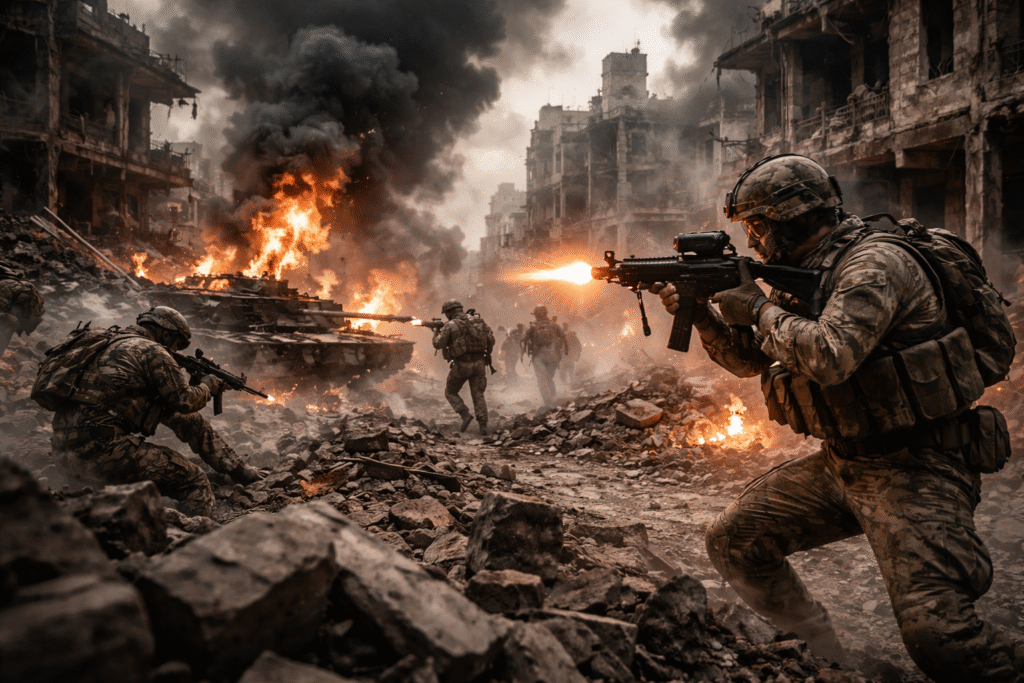
- Gaza’s Military Strategy
Under Netanyahu’s direction, Israel executed: Airstrikes, Massive bombing of Gaza’s Hamas targets, focusing on militant leadership, weapons locations, and tunnels, Invasion of the ground.
Israeli forces sent infantry and tanks into Gaza in October 2023 to engage Hamas head-on. Among the main battlegrounds were Younis Khan, Rafah, cities in northern Gaza. Netanyahu maintained that in order to eliminate Hamas’s residual troops, even densely populated locations like Rafah had to be assaulted.
- Hostage agreements and ceasefire talks
Additionally, Netanyahu participated in talks mediated by nations like: Egypt and Qatar, The United States.
A few brief breaks in combat are permitted:
Trade of captives and hostages, Humanitarian aid entering Gaza is scarce.
But Netanyahu has frequently insisted that the conflict must go on until Hamas is vanquished, refusing to agree to a long-term ceasefire.
- Global Disagreement
Netanyahu’s leadership during the conflict has generated a lot of controversy.
Casualties among civilians
Much of Gaza has been damaged, and many Palestinian civilians have been killed. Tens of thousands of Gazans had perished and significant portions of the region had been destroyed by the end of 2025.
Allegations of war crimes
Netanyahu was charged with war crimes and crimes against humanity in connection with the Gaza war by the International Criminal Court, which issued an arrest warrant for him in 2024.
Israel and Netanyahu vehemently refute these charges.
- Impact on Domestic Politics
Israeli politics have also been impacted by the war.
Netanyahu is held accountable by some Israelis for security lapses before to the October 7 attack.
There have been significant demonstrations calling for elections and a hostage agreement.
His tough military approach is backed by others.
To put it succinctly, Netanyahu is the main political figurehead guiding Israel’s strategy in the Gaza conflict. He sets military goals, authorizes operations, negotiates hostage agreements, and represents Israel abroad.