
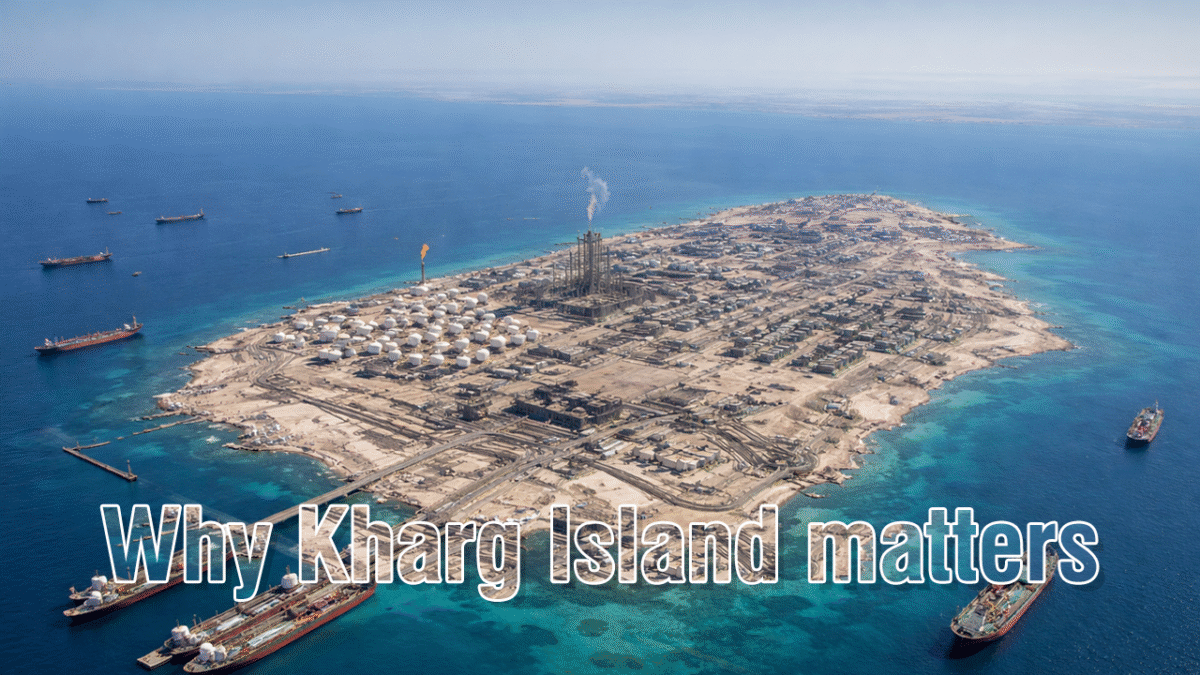
Why Kharg Island matters

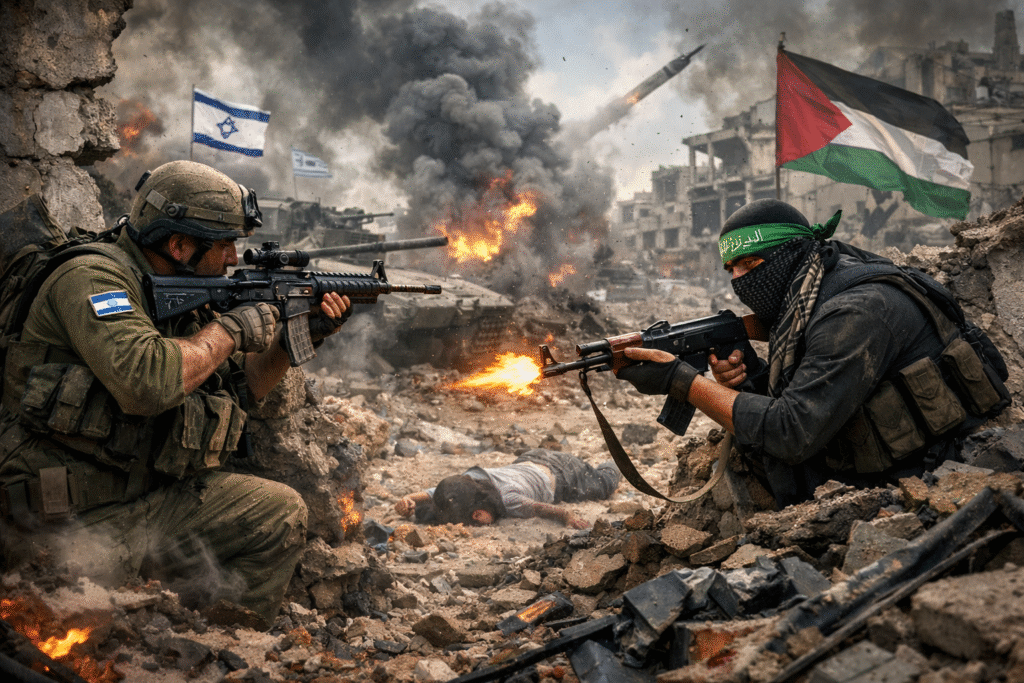
The term “Kharg Island attack” refers to actual or purported incidents involving military activities or threats directed at Iran’s vital oil export facility, Kharg Island.

The significance of Kharg Island

manages almost 90% of Iran’s oil exports.

Situated in the Persian Gulf

vital to the world’s oil supply and prices

Historical and Current Background

1. The 1980–1988 Iran–Iraq War

Iraq brutally attacked Kharg Island during the Iran-Iraq War.

Targeting oil infrastructure as part of the “Tanker War” phase

Iran fixed the island several times to maintain exports.
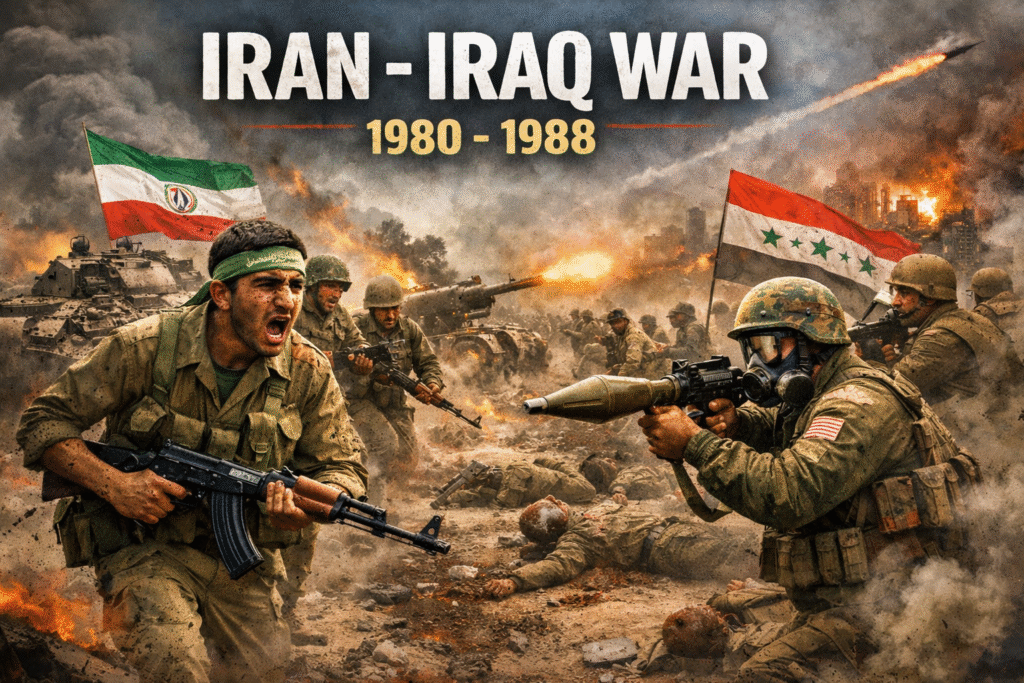
iran-iraq war

https://designerchoicevja.blogspot.com

2. Contemporary Tensions (2019–Present)

Although there hasn’t been a significant proven “destruction” attack recently, Kharg Island is frequently mentioned in:

Iran-Israel shadow war

Tensions between the US and Iran in the Gulf

Covert and cyberattacks aimed at oil infrastructure

Here are some rumors and reports

Israel (secret operations)

US (strategic pressure)

Oil shipping routes are impacted by regional instability

Should Kharg Island be severely damaged

Disruption of the global oil supply

The price of oil could suddenly rise

Conflict in the Middle East is intensifying.

Effect on shipping via the Hormuz Strait

A Reality Check

Online headlines about the “Kharg Island attack” are frequently gossip, conjecture, or false facts.

Large-scale attacks that have been confirmed recently are uncommon or unverified.

The island is still well guarded.

What is now taking place

1. Significant American airstrikes on Kharg Island

Large-scale American airstrikes targeted Kharg Island during March 13–17, 2026.

More than ninety military objectives were destroyed, including drone facilities, naval mine storage, and missile shelters.

The attacks are a part of a larger conflict that involves Iran, the United States, and indirectly Israel.

Crucial

The majority of oil facilities were not attacked in order to prevent a worldwide energy collapse.

2. Conflicting damage claims

The island was “totally demolished,” according to certain political allegations.

However, actual data reveals

After a brief hiatus, oil exports swiftly resumed.

Iran claims that manufacturing is still operating as usual.

In actuality

Heavy military damage

Oil infrastructure is mostly unaltered.

3. The worldwide oil shock

Fear of disruption caused oil prices to soar past $100 per barrel.

Nearby tensions in the Strait of Hormuz influence almost 20% of the world’s oil supply.

4. The extremely critical Strait of Hormuz situation

Iran has attacked or blocked shipping lanes.

Global trade is hampered as numerous ships are stranded.

A portion of the oil is being diverted to Jask and other ports.

5. Escalation risk

The United States warned that if tensions persist, it may target oil infrastructure next.

Iran threatened to retaliate against regional energy infrastructure.

Overview (basic)

This is not a single incident; rather, it is a component of a broader Middle East battle (the Iranian confrontation in 2026).

Iran’s oil business is centered on Kharg Island, so

Even little strikes have a worldwide influence.

A full attack would result in a global energy crisis.

The worst-case scenario if Kharg is destroyed

Not just a local issue, but a worldwide chain reaction would result from the total destruction or knockout of Kharg Island. This is a step-by-step breakdown of the realistic worst-case scenario.
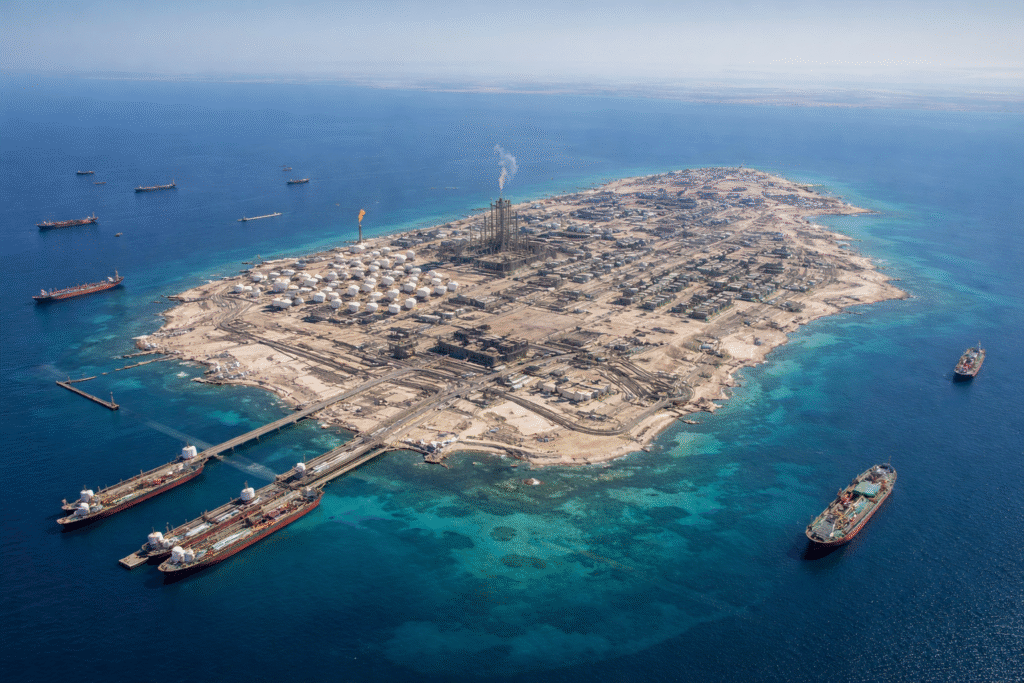
https://rapidknowledge.in

1. Oil Shock Right Away (within hours)

Iran’s ability to export oil is reduced by almost 90%.

Every day, millions of barrels disappear from the world’s supply.

The price per barrel could rise to $150–$200+.

Why is it so extreme?

Because Kharg, which is situated in the Persian Gulf, is Iran’s primary export lifeline

2. The Hormuz Strait Crisis

Iran might block the Strait of Hormuz in retaliation.

This is where about 20% of the world’s oil travels.

In the worst scenario

Tankers stopped or attacked

Iran and the United States engaging in a naval battle

3. Comprehensive Regional Conflict

Conflict spreads throughout

Israel

Gulf countries (UAE, Saudi Arabia)

Proxy organizations in Yemen, Lebanon, and Iraq

Potential results

Missile attacks on oil fields

Attacks on cities by drones

Gulf War naval combat

4. The Shock to the World Economy

The cost of fuel (gasoline, diesel, and aviation fuel) is rising globally.

Inflation increases in nations such as India

Stock market crashes, particularly in economies that rely heavily on energy

Particularly in India

The cost of gasoline and diesel could increase significantly.

Costs of food and transportation rise

The cost of imports could cause the rupee to decline.

5. Dissection of the Supply Chain

Shipping lanes become dangerous

Tanker insurance premiums are soaring.

Postponements in

Oil, Gas, Products traveling via Middle Eastern routes

6. Involvement of Global Power

NATO nations could step in.

China might intervene to safeguard the oil supplies.

Risk of conflict between many nations

7. Extreme Situation (high impact, low probability)

If the escalation spirals

Increased nuclear tensions (indirectly)

Cyberattacks against international energy networks

Global energy crisis

A Reality Check

Even under the “worst-case” scenario

Iran has backup terminals, such as Jask.

Emergency oil can be released from global reserves (US, allies).

Kharg’s strong defenses make complete devastation extremely difficult.

Conclusion

In the event that Kharg Island is destroyed:

The world’s oil crisis

Potential conflict in the region

Global economic shock

Direct effect on inflation and fuel costs in India
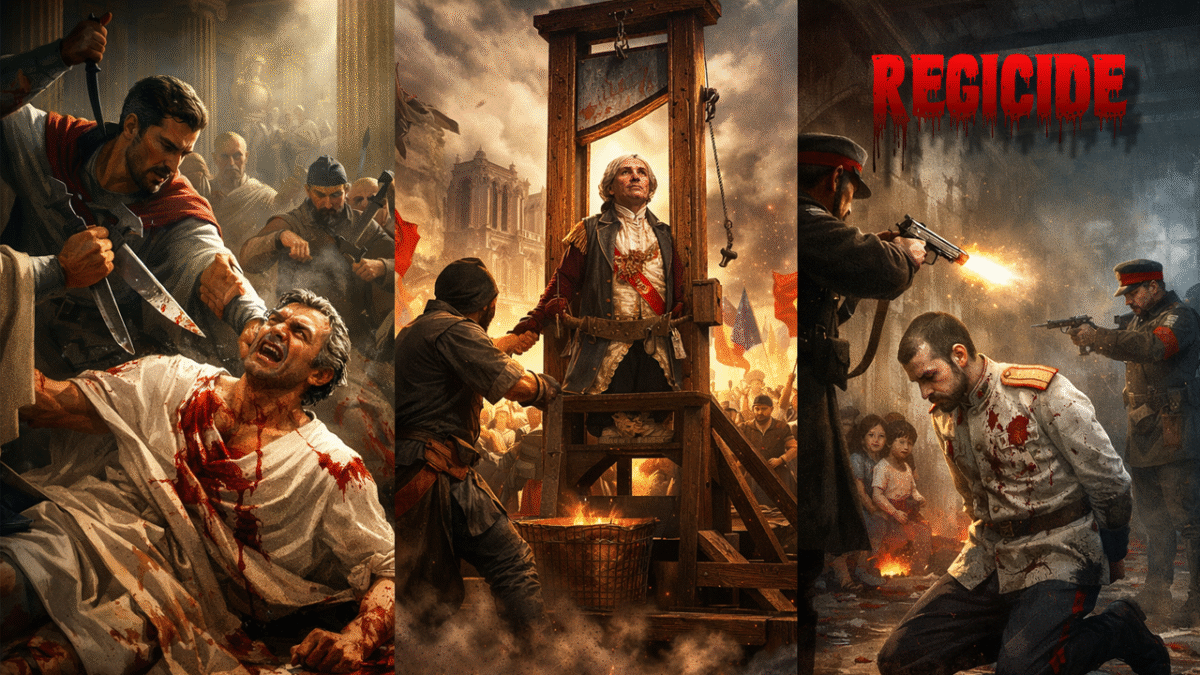
REGICIDE

The term “regicide” describes the murder of a king or other ruler, usually with the goal of depriving them of their position of authority.

Historical Context

Regicide has taken place in many political and civilizational contexts throughout history. A number of factors, such as political turmoil, insurrection, succession issues, religious conflicts, and personal grudges, have led to the assassination of monarchs and other rulers.

Methods

Assassination, poisoning, execution, and staged accidents are just a few of the ways that regicide can be committed. The circumstances, incentives, and resources at the offenders’ disposal frequently influence the strategy selected.

Notable Examples

Regicide has occurred frequently throughout history, and some of these incidents have had a major impact on how cultures and nations have developed.

Julius Caesar

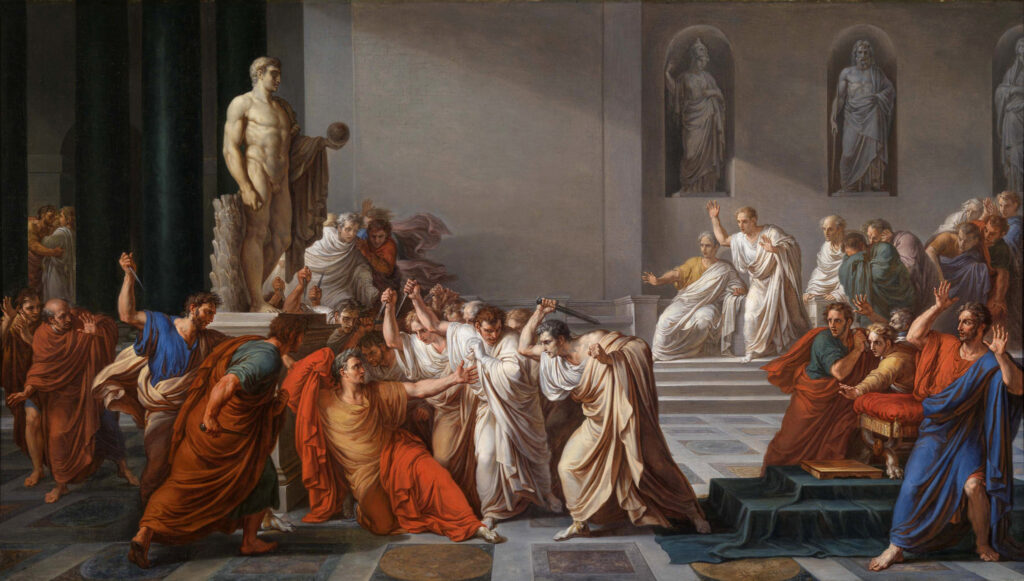
One of the most well-known cases of regicide in ancient history was the assassination of Julius Caesar in 44 BCE by a group of Roman senators led by Brutus and Cassius. Rome went through a period of political unrest and civil strife after Caesar’s death. (regicide)

Julius Cesare

https://designerchoicevja.blogspot.com

Charles I of England

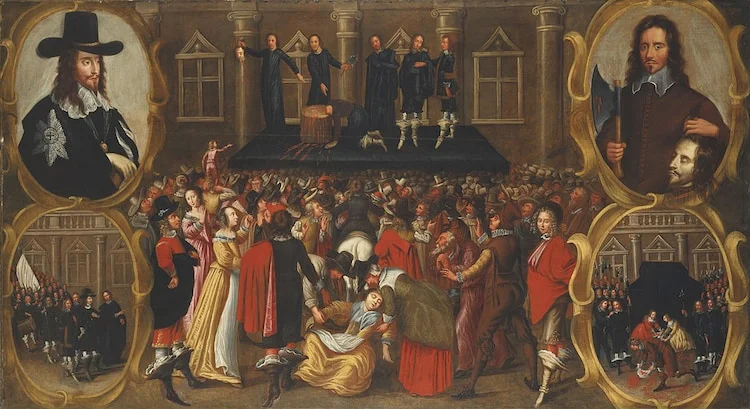
Following his defeat by Oliver Cromwell’s parliamentary armies during the English Civil War, Charles I was beheaded in 1649. For a short while, known as the English Interregnum, his execution signaled the end of the monarchy in England. (regicide)

Louis XVI of France

After the French Republic was established and the monarchy was abolished in 1793, Louis XVI was put to death by guillotine during the French Revolution. His execution represented the fall of the previous government and the emergence of revolutionary principles. (Regicide)

Nicholas II of Russia

In 1918, during the Russian Revolution, Bolshevik rebels put Nicholas II, the country’s final Tsar, and his family to death. The Romanov dynasty came to an end with the execution, and Communist dictatorship in Russia began. (regicide)

Legal and Moral Repercussions

Regicide is frequently seen as a serious crime with grave moral and legal ramifications. It can result in instability, anarchy, and bloodshed and directly challenges the legitimacy and authority of the governing regime. Regicide carries harsh punishments, such as death or incarceration, in many countries.

All things considered, regicide is an important historical phenomena that has influenced political history and had profound effects on national stability and government. It continues to be a potent representation of revolution, resistance, and the fight for freedom and power. (Regicide)

https://rapidknowledge.in

Regicide – An Advanced View

1. The Political Theory of Regicide

    The perception of regicide varies depending on one’s ideology:

    A. Tyrannicide (Justifiable Murder)

    According to some thinkers, if a ruler is a despot, it may be morally acceptable to kill them.

    Locke, John
    felt the people had the right to remove unfair leaders from power.

    Aquinas, Thomas
    discussed whether overthrowing a despot may be justified for the benefit of all. According to this perspective, regicide is an act of emancipation.

    B. Kings’ Divine Right (Unjustifiable Crime)

    James VI and me
    ardent advocate of the notion that God selects kings.

    According to this theory, regicide is equal to treason plus sin.

    2. The Regicide of Revolution

      A. occurs during revolutions.

      Symbolic and public

      For instance, Louis XVI of France

      B.Regicide via Conspiracy

        Insiders or elites with covert schemes

        For instance, Julius Caesar

        C. The Regicide of Dynasties

          For power inside royal families

          For instance, In a similar power battle, Aurangzeb imprisoned his father, Shah Jahan, rather than killing him.

          d. Regicide based on ideology

            Motivated by political philosophies (nationalism, communism)

            Nicholas II of Russia, for instance

            3. Additional Worldwide Examples

            The Ancient World

              Macedon’s Philip II
              Alexander the Great’s father

              The Middle Ages

              England’s Edward II
              After being ousted, possibly slain.

              Early Modern Era

              Sweden’s Gustav III
              Famous dramatic regicide, shot at a masked ball.

              The Modern Era

              As monarchs fall, political assassinations persist but true regicide becomes less common.

              4. Regicide Causes (Deep Analysis)

              a. Power Abuse

                High taxes, Oppression, Decline in popular confidence

                During the French Revolution

                B. Unpredictability in politics

                  Inadequate leadership

                  Observed during the English Civil War

                  C. Shift in Ideology

                    Growth of nationalism, socialism, and democracy

                    During the Russian Revolution

                    D. Struggles for Elite Power

                      Leaders in the military or nobles vying for power

                      Observed in Roman plots

                      5. Regicide’s Aftereffects

                      a. Direct Impacts

                        Civil war or chaos, Using a power vacuum, Murders committed in retaliation

                        b. Long-Term Consequences

                        1. Emergence of Novel Systems

                        Republics, Democracies, Communist nations

                        For instance, under Louis XVI of France, the Republic

                        2. Monarchy’s Strengthening

                        Regicide can occasionally backfire and result in more powerful rulers.

                        3. Symbolic Significance

                        Regicide conveys a strong message

                        “No ruler is untouchable.”

                        6. Regicide in Literature and Culture

                          A common motif in stories is regicide

                          Macbeth

                          A king is killed in order to gain power, which results in shame and demise.

                          The Game of Thrones

                          Brutal power battles are demonstrated by the deaths of several kings.

                          7. Contemporary Significance

                            Despite the fact that there are fewer kings now

                            Political assassinations have evolved from regicide.

                            Presidents and prime ministers are among the leaders who confront comparable dangers.

                            For instance, John F. Kennedy (similar influence but not a king)

                            8. Crucial Realization

                              Killing a ruler is only one aspect of regicide;

                              other aspects include…….

                              Power’s legitimacy

                              The freedom of individuals to rebel

                              Political system transition

                              It frequently signifies the end of one era and the start of a new one.

                              Top AI Resources for Graphic Designers

                              Here are eleven Top AI Resources for Graphic Designers

                              Adobe Sensei

                              This AI-powered technology is included into a number of Adobe Creative Cloud programs. Among its capabilities are image recognition, automated chores, and content-aware fill. (Top AI Resources for Graphic Designers)

                              https://designerchoicevja.blogspot.com

                              Canva

                              Canva is a well-known graphic design tool that uses AI to make it easier for designers to produce eye-catching graphics. It provides sophisticated cropping features, image enhancing tools, and design templates.

                              DeepArt.io

                              DeepArt.io turns your photos into works of art influenced by the styles of well-known artists by using neural networks. It enables you to apply different artistic filters and produce original images.

                              Dreamcatcher

                              Dreamcathcer an AI-powered generative design tool from Autodesk, assists designers in exploring creative design options. Based on user input and limitations, it generates design possibilities using algorithms.

                              Midjourney

                              A text-to-image AI generator called Midjourney generates images based on given prompts, such as “cyberpunk city at night, neon lights, ultra realistic.”

                              Designhill Logo creator

                              Designhill’s AI-powered logo creator gives designers a user-friendly interface for speedy logo creation. It provides a variety of customization choices and makes design element recommendations depending on your tastes.

                              Pikazo

                              This AI-powered app transforms your images into original works of art. It applies artistic styles and produces painting effects on your photos using neural networks. (Top AI Resources for Graphic Designers)

                              Framer X

                              This design tool uses artificial intelligence (AI) to streamline the design process. It provides capabilities like interactive design elements, code creation, and intelligent layout assistance.

                              Artisto

                              Artisto is a smartphone app that transforms your videos into visually spectacular artistic works by applying AI-powered effects. You can select several graphic styles and use them instantly.

                              DesignBold

                              DesignBold is an online design tool that makes use of artificial intelligence to streamline the design process. It makes it simpler for designers to produce expert designs by providing a large selection of design templates, stock photos, and fonts. (Top AI Resources for Graphic Designers)

                              Runway ML

                              Designers can integrate AI into their creative processes using Runway ML, a machine learning toolbox. For tasks like object detection, image production, and style transfer, it provides a variety of AI models.

                              DesignEvo

                              DesignEvo is an AI-powered logo builder with an easy-to-use interface for making unique logos. It provides an extensive collection of shapes, typefaces, and icons in addition to AI algorithms that make design element recommendations depending on user input.

                              Tockify

                              Tockify is an AI-powered design tool that facilitates the creation of eye-catching event schedules. It automates the creation and design of layouts, style, and event listings. (Top AI Resources for Graphic Designers)

                              Deep Dream Generator

                              Deep Dream Generator applies distinctive and fantastical artistic filters to photographs using deep learning algorithms. It provides a variety of styles and effects that can turn commonplace images into eye-catching works of art.

                              Renderforest

                              Renderforest is an online platform for creating videos that uses artificial intelligence to make the process of making animated films, presentations, and marketing materials easier. It simplifies the design and editing process with its templates and automatic functions. (Top AI Resources for Graphic Designers)

                              Logojoy

                              Based on your choices, Logojoy is an AI-powered tool for designing logos. It generates personalized logo suggestions by analyzing design aspects and user input using machine learning techniques.

                              Patternodes

                              This program combines node-based pattern design with vector graphic editing. It creates intricate and adaptable patterns using AI algorithms that may be applied to a variety of design tasks.

                              PaintsChainer

                              This AI-powered program automatically colors and shades line art drawings. It analyzes and applies suitable color schemes to black and white line drawings using deep learning techniques. (Top AI Resources for Graphic Designers)

                              Snappa is a design tool that uses artificial intelligence (AI) to make it easier to create blog articles, social media graphics, and other visual material. In order to optimize designs for various platforms, it provides pre-made templates, stock pictures, and automated resizing options.

                              https://rapidknowledge.in

                              This suite of AI tools enhances the graphic design workflow by streamlining tasks such as pattern creation, coloring, and visual content production. Designers are encouraged to stay informed about the latest advancements and user feedback to fully leverage these innovative resources.

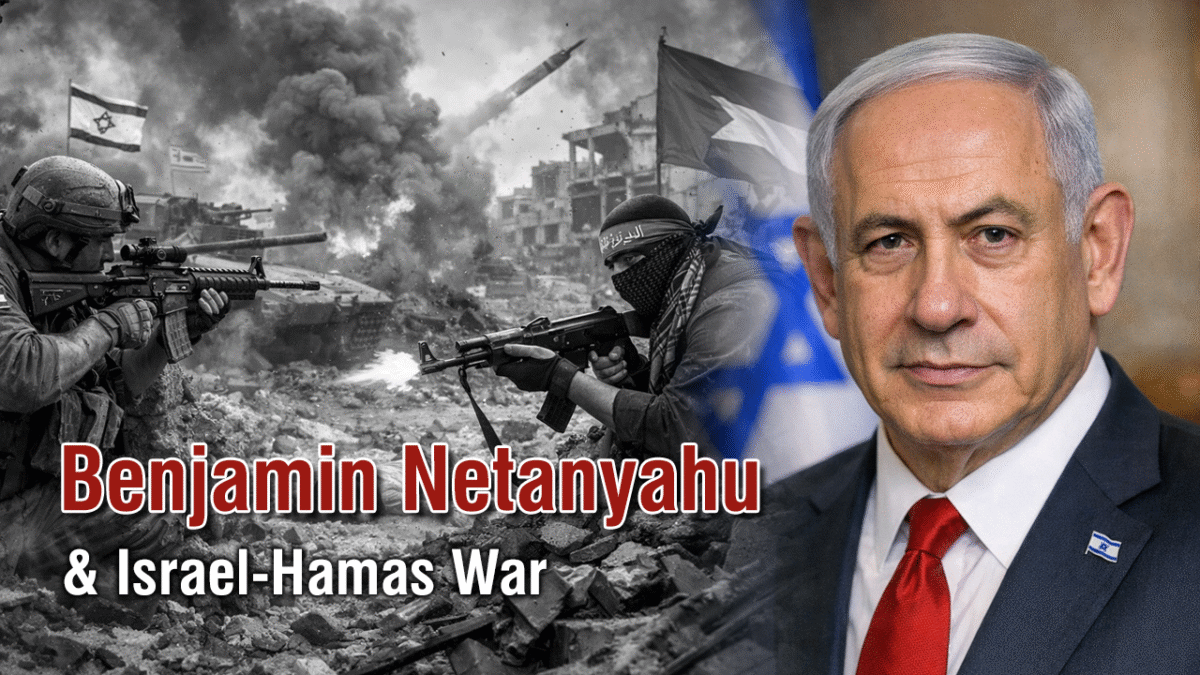
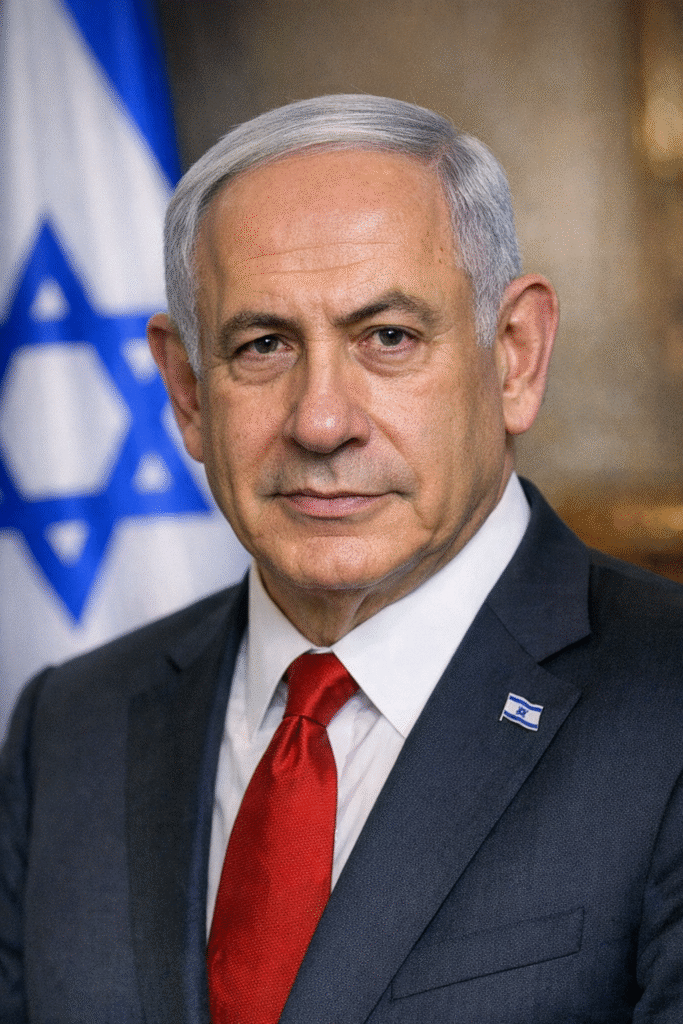
                              Benjamin Netanyahu

                              One of the most important figures in Israeli history is the politician Benjamin Netanyahu.

                              Benjamin Netanyahu

                              https://designerchoicevja.blogspot.com

                              Basic Data

                              Benjamin Netanyahu

                              Date of birth: October 21, 1949

                              Birthplace: Israel’s Tel Aviv

                              Party of politics: Likud

                              Position: Israel’s prime minister (many terms)

                              Benjamin Netanyahu has held the position of prime minister multiple times

                              From 1996 to 1999, From 2009 to 2021, 2022 to the present…

                              He has been prime minister of Israel for the longest.

                              Important Positions & Policies

                              firm position on military defense and security

                              opposes Iran’s nuclear program

                              backs the growth of Israeli settlements in certain West Bank regions

                              encouraged the Abraham Accords, which restored diplomatic ties between Israel and nations like Bahrain and the United Arab Emirates.

                              Significant Disputes

                              Charges of corruption in Israeli courts

                              Judicial reforms that sparked significant demonstrations in Israel were criticized.

                              Crucial player in the Israel-Hamas war (2023–present)

                              Context

                              studied in the United States at the Massachusetts Institute of Technology (MIT).

                              served in Sayeret Matkal, an elite Israeli special forces unit.

                              In Israeli politics, Netanyahu is frequently referred to as “Bibi.” (Benjamin Netanyahu)

                              Currently serving as Israel’s prime minister, Benjamin Netanyahu is the nation’s longest-serving leader. As of March 15, 2026, he is guiding Israel through a growing military confrontation with the US, Iran, and regional organizations like Hezbollah.

                              Assassination Rumors Dispelled: On March 15, 2026, Netanyahu’s administration released a statement denouncing widespread social media rumors that he had been killed or assassinated, labeling them “fake news” and affirming his well-being.

                              The role of Benjamin Netanyahu in the Israel-Hamas war from 2023 until the present

                              Israel’s prime minister, Benjamin Netanyahu, has taken the lead in the country’s conflict with Hamas in the Gaza Strip. The international response to the crisis, political objectives, and military tactics have all been influenced by his choices and policies.

                              Irael and Hamas war
                              • Declaring War Following the Attack on October 7

                              Against October 7, 2023, Hamas launched a massive offensive from Gaza against Israel, murdering civilians and capturing captives. This marked the start of the conflict. Israel’s government officially declared war on Hamas and began military actions the following day.

                              As Netanyahu’s prime minister approved the national war plan and the military reaction. established a war cabinet to supervise the fighting. oversaw extensive operations in Gaza by the Israeli military (IDF).

                              • Principal War Goals

                              Benjamin Netanyahu’s administration had two primary objectives:

                              Destroy the military and political authority of Hamas

                              Rescue Israeli hostages captured during the assault on October 7.

                              The phrase “Eliminate Hamas and bring the hostages home” frequently encapsulates this approach.

                              Benjamin Netanyahu,s War
                              • Gaza’s Military Strategy

                              Under Netanyahu’s direction, Israel executed: Airstrikes, Massive bombing of Gaza’s Hamas targets, focusing on militant leadership, weapons locations, and tunnels, Invasion of the ground.

                              Israeli forces sent infantry and tanks into Gaza in October 2023 to engage Hamas head-on. Among the main battlegrounds were Younis Khan, Rafah, cities in northern Gaza. Netanyahu maintained that in order to eliminate Hamas’s residual troops, even densely populated locations like Rafah had to be assaulted.

                              • Hostage agreements and ceasefire talks

                              Additionally, Netanyahu participated in talks mediated by nations like: Egypt and Qatar, The United States.

                              A few brief breaks in combat are permitted:

                              Trade of captives and hostages, Humanitarian aid entering Gaza is scarce.

                              But Netanyahu has frequently insisted that the conflict must go on until Hamas is vanquished, refusing to agree to a long-term ceasefire.

                              • Global Disagreement

                              Netanyahu’s leadership during the conflict has generated a lot of controversy.

                              Casualties among civilians

                              Much of Gaza has been damaged, and many Palestinian civilians have been killed. Tens of thousands of Gazans had perished and significant portions of the region had been destroyed by the end of 2025.

                              Allegations of war crimes

                              Netanyahu was charged with war crimes and crimes against humanity in connection with the Gaza war by the International Criminal Court, which issued an arrest warrant for him in 2024.

                              Israel and Netanyahu vehemently refute these charges.

                              • Impact on Domestic Politics

                              Israeli politics have also been impacted by the war.

                              Netanyahu is held accountable by some Israelis for security lapses before to the October 7 attack.

                              There have been significant demonstrations calling for elections and a hostage agreement.

                              https://rapidknowledge.in

                              His tough military approach is backed by others.

                              To put it succinctly, Netanyahu is the main political figurehead guiding Israel’s strategy in the Gaza conflict. He sets military goals, authorizes operations, negotiates hostage agreements, and represents Israel abroad.

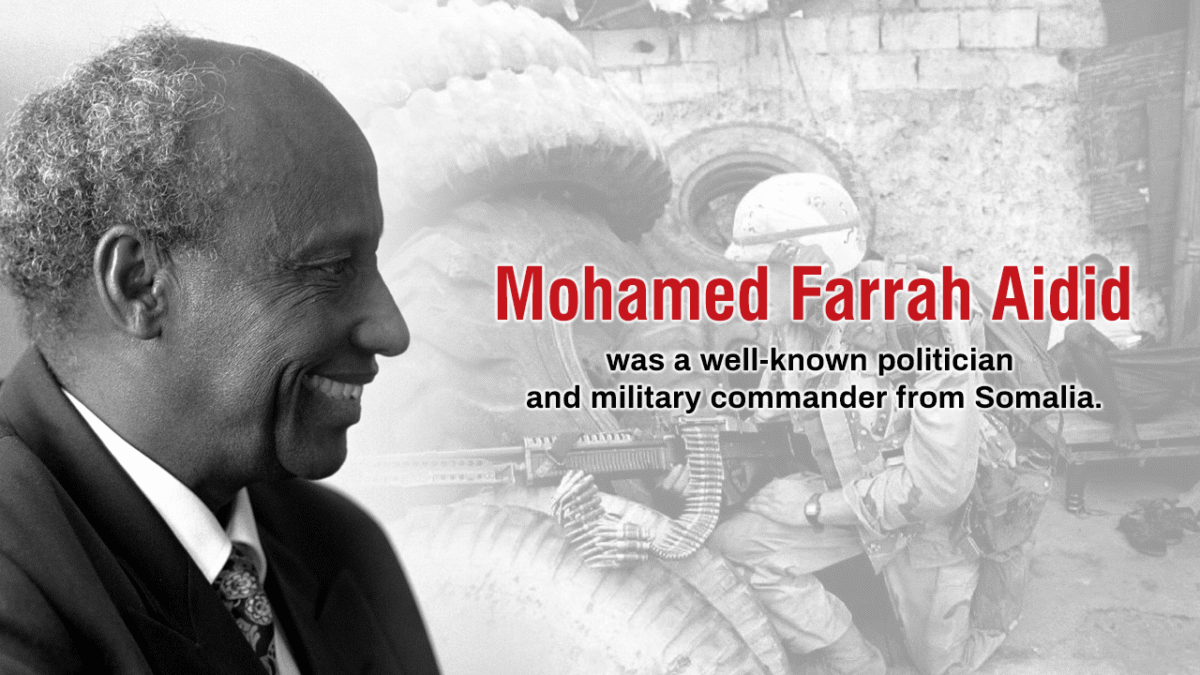
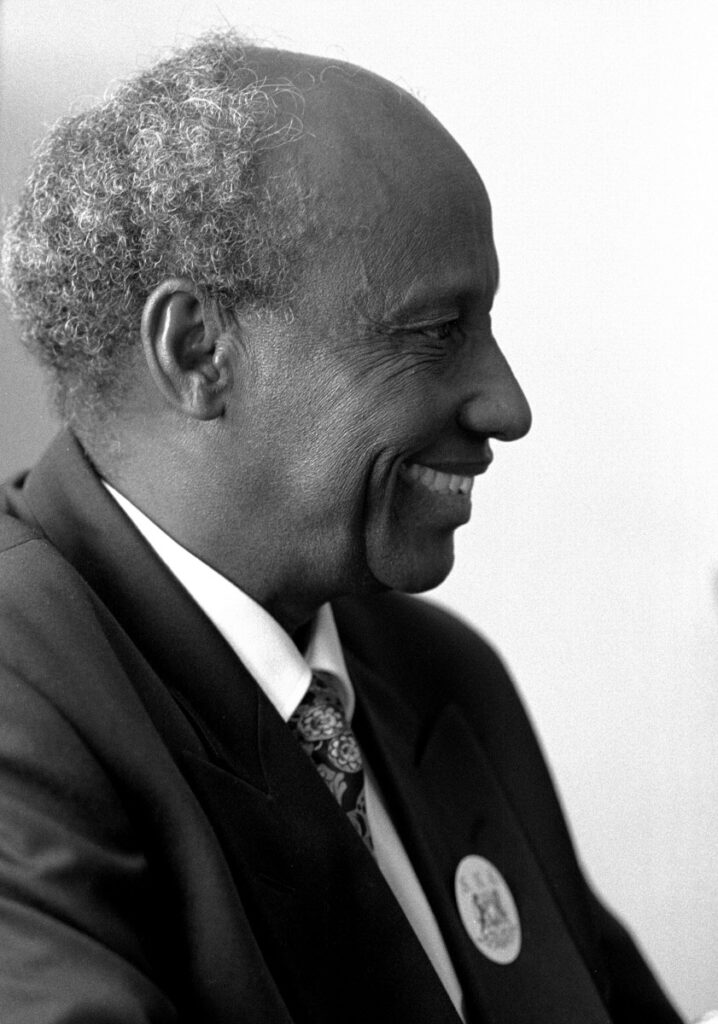
                              Mohamed Farrah Aidid

                              Mohamed Farrah Aidid (1934–1996) was a well-known politician and military commander from Somalia. He had a big impact on Somalia’s complicated late 20th-century political environment. Aidid became well-known in the 1980s as a leading member of the Somali National Movement (SNM), a rebel organization opposing President Siad Barre’s government.

                              https://designerchoicevja.blogspot.com

                              Mohamed Farrah Aidid

                              When Barre’s government fell in 1991 and Somalia fell into anarchy, Aidid’s power and influence grew in the early 1990s. A civil war sprang out as several groups and warlords fought for dominance. In the capital city of Mogadishu, Aidid became one of the strongest warlords.

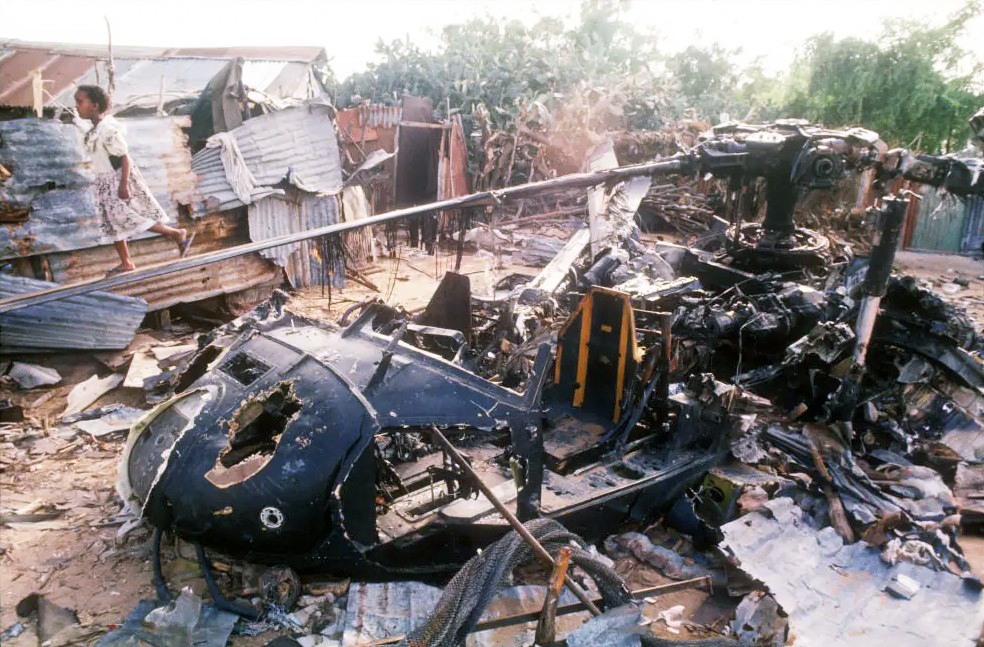
                              UNOSOM, a United Nations peacekeeping force, was sent to Somalia in 1992 with the goal of restoring order and delivering humanitarian supplies. However, there were a number of violent clashes between Mohamed Farrah Aidids soldiers and the UN forces. The most prominent event was the October 3–4, 1993, Battle of Mogadishu, popularly referred to as the “Black Hawk Down” incident. Both sides suffered heavy casualties as a result of the intense gunfight between Aidid’s forces and Delta Force soldiers and U.S. Army Rangers.

                              As international pressure mounted on Aidid’s faction, the Battle of Mogadishu signaled a sea change in his power. A resolution to apprehend and prosecute Aidid for his involvement in impeding humanitarian efforts was passed by the UN Security Council in 1995.

                              But before going on trial, Mohamed Farrah Aidid passed away on August 1, 1996. After having a heart attack in Mogadishu, he was sent to a Saudi Arabian hospital for treatment, where he eventually died. Hussein Mohamed Aidid, Aidid’s son, succeeded his father as the faction’s head following his passing.

                              A prominent character in Somali history, Mohamed Farrah Aidid is best known for his participation in the country’s civil war and his opposition to the UN’s presence there.

                              Rise to Power

                              Born in 1934 in Beledweyne, Somalia, Aidid is a member of the Hawiye tribe. He first worked for President Siad Barre’s administration as a police officer, but political and clan-based conflicts caused him to turn against Barre.

                              Aidid rose to prominence as a leader of the Somali National Movement (SNM), a rebel organization mainly made up of Isaaq clan members in northern Somalia. The SNM sought to topple the Barre government and give the Isaaq people their own sovereign state.

                              USC formation

                              Aidid established the United Somali Congress (USC), a political and military group, following the fall of Barre’s administration in 1991. The USC sought to unify different clans under a single banner and close the power gap in Somalia. However, internal strife and factionalism at USC caused more unrest.

                              Control of Mogadishu

                              In 1991, Mohamed Farrah Aidid’s group took control of Somalia’s capital, Mogadishu. He asserted his power over other groups and set up a de facto government in the city. But his reign was marked by ineffective governance and violence.

                              Humanitarian Crisis and UN Conflicts

                              The United Nations sent peacekeeping troops to Somalia in the early 1990s while the country was experiencing a serious humanitarian crisis. The Battle of Mogadishu in 1993 was the result of fighting between Aidid’s forces and UN forces. American soldiers lost their lives in the tragedy, which also brought attention to the situation in Somalia on a global scale.

                              Diplomatic Efforts and International Pressure

                              Aidid faced increasing international pressure, including sanctions and attempts to capture him, as a result of his attacks on UN forces and obstruction of humanitarian aid.

                              Death and Aftermath

                              Mohamed Farrah Aidid died of a heart attack on August 1, 1996. Factional conflict persisted in Somalia after his passing, and his son Hussein Mohamed Aidid took on a leadership position within their group. With numerous warlords and factions fighting for control, the situation in Somalia remained chaotic.

                              https://rapidknowledge.in

                              Following the death of Mohamed Farrah Aidid, Somalia continued to experience significant instability, characterized by ongoing factional conflict and the emergence of new power struggles as various warlords vied for dominance. His son, Hussein Mohamed Aidid, assumed a leadership role, yet the absence of effective governance perpetuated the humanitarian crisis and violence throughout the region.

                              Shenlong Suezmax – Shenlong Tanker

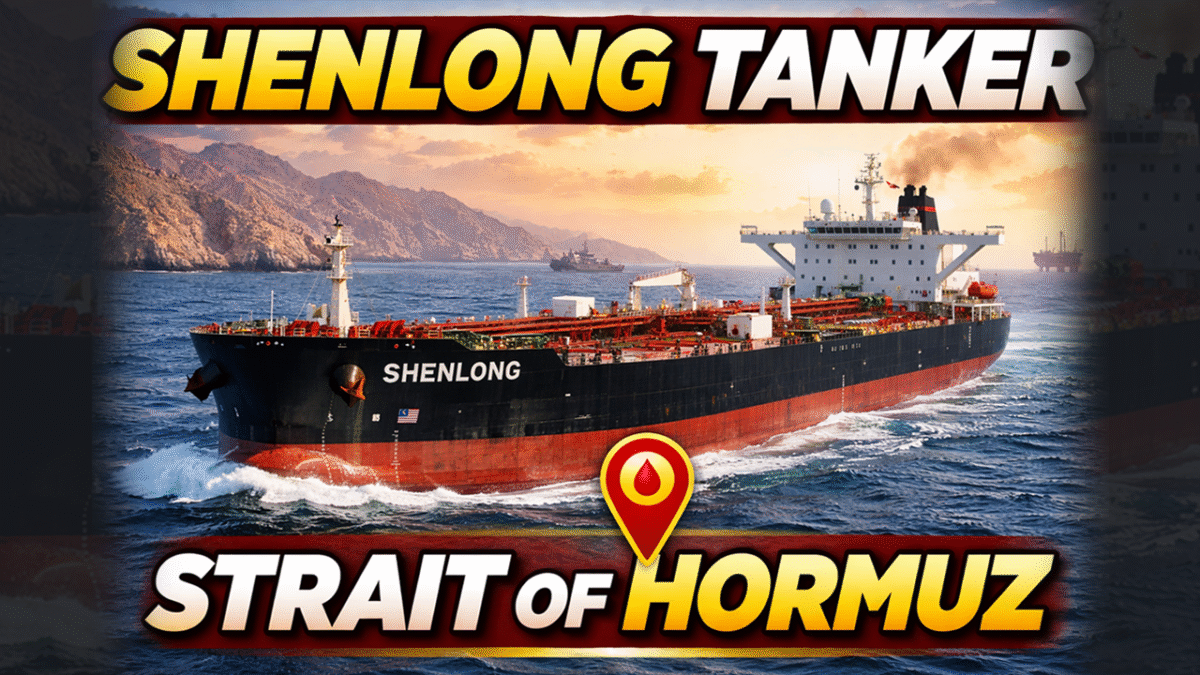
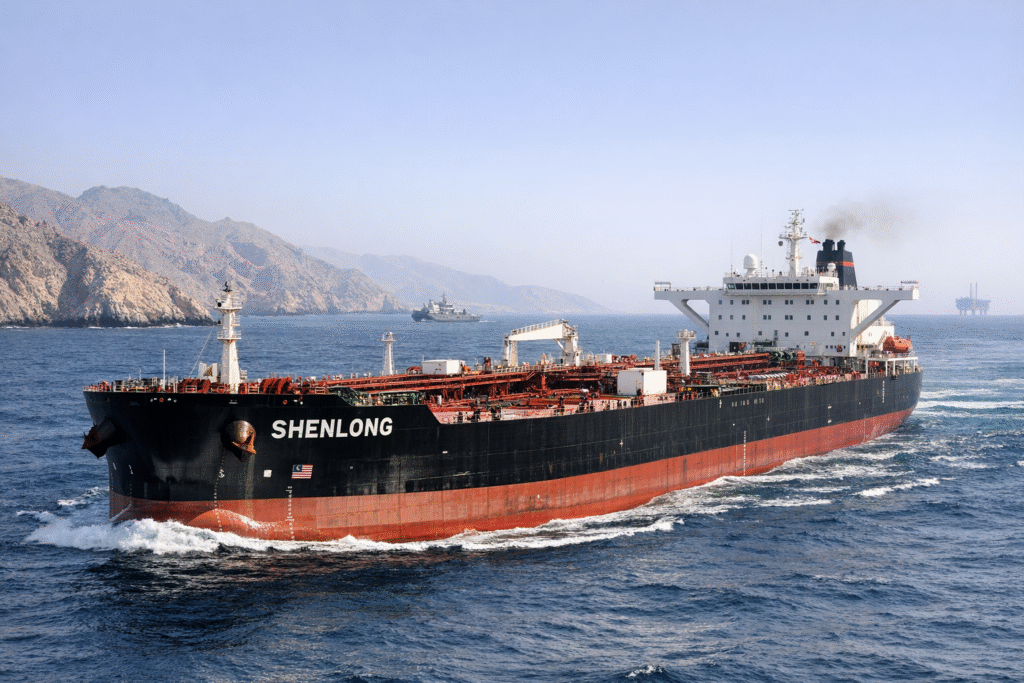
                              During the West Asia conflict, on March 11–12, 2026, the Liberian-flagged tanker Shenlong Suezmax – Shenlong Tanker became the first ship to successfully transit the Strait of Hormuz while transporting Saudi crude to Mumbai, India. Other ships, such as the Indian-flagged tankers Pushpak and Parimal, followed.

                              Shenlong Suezmax - Shenlong Tanker

                              https://designerchoicevja.blogspot.com

                              Safe Passage

                              Following discussions between Indian and Iranian officials, the ship and others were granted safe passage.

                              Operational Security

                              In order to navigate the high-risk area, the tanker turned off its Automatic Identification System (AIS), a process known as “going dark.”

                              Condition

                              Other ships had been targeted during a period of increased regional tensions.

                              Description of Shenlong Suezmax – Shenlong Tanker

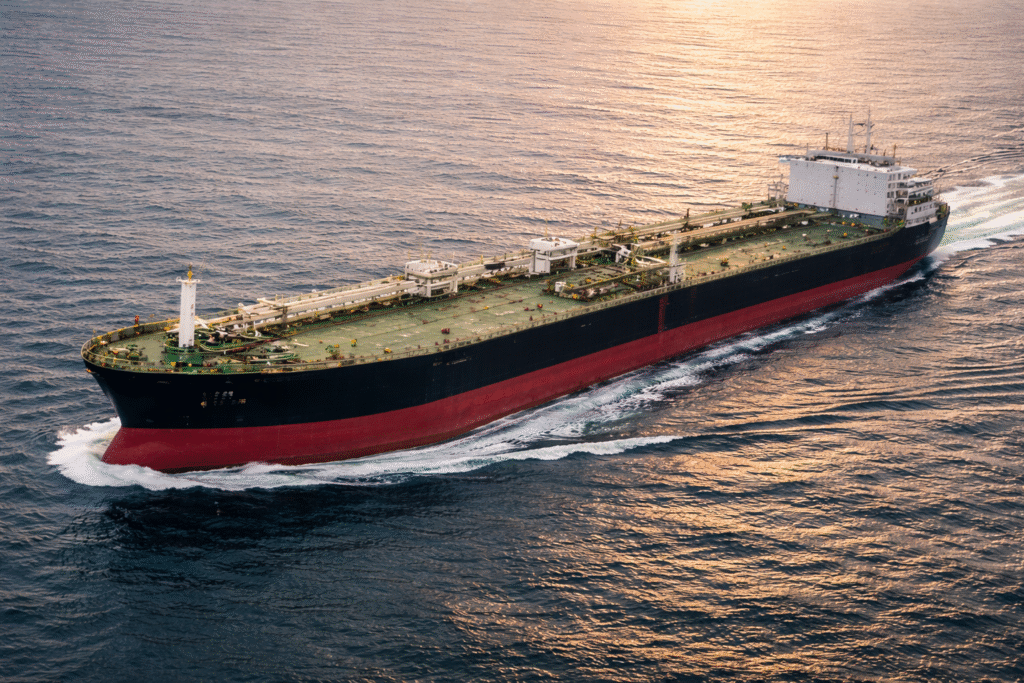
                              A big crude oil tanker in the Suezmax class is the Shenlong Suezmax – Shenlong Tanker, sometimes simply referred to as Shenlong. These ships are built to transport massive amounts of crude oil across oceans, and when fully laden, they are precisely sized to fit through the Suez Canal.

                              The Significance of “Suezmax”

                              The biggest vessel that can pass through the Suez Canal without offloading cargo is a Suezmax tanker.

                              Typical requirements:

                              Deadweight: between 120,000 and 200,000 tons,

                              Length: around 270–285 meters

                              Beam width: around 45 to 50 meters

                              Capacity for cargo: around one million barrels of crude oil

                              These tankers are frequently utilized on the following routes
                              the persian Gulf, Europe, Asia

                              The Shenlong Tanker’s Objective :

                              Ships such as Shenlong are accustomed to

                              Transport crude oil from nations that produce it

                              Provide refineries worldwide

                              Operate along important oil transportation routes, such as the Suez Canal and the Strait of Hormuz.

                              Due to the critical nature of these routes, any conflict in places like the Strait of Hormuz might impact tankers like Shenlong and interfere with the world’s oil supply.

                              The Significance of Suezmax Tankers :

                              Compared to smaller tankers, their operating costs are lower per barrel.

                              They are adaptable and can utilize numerous international ports as well as the Suez Canal.

                              They transport a significant amount of the global crude oil trade.

                              https://rapidknowledge.in

                              The Strait of Hormuz

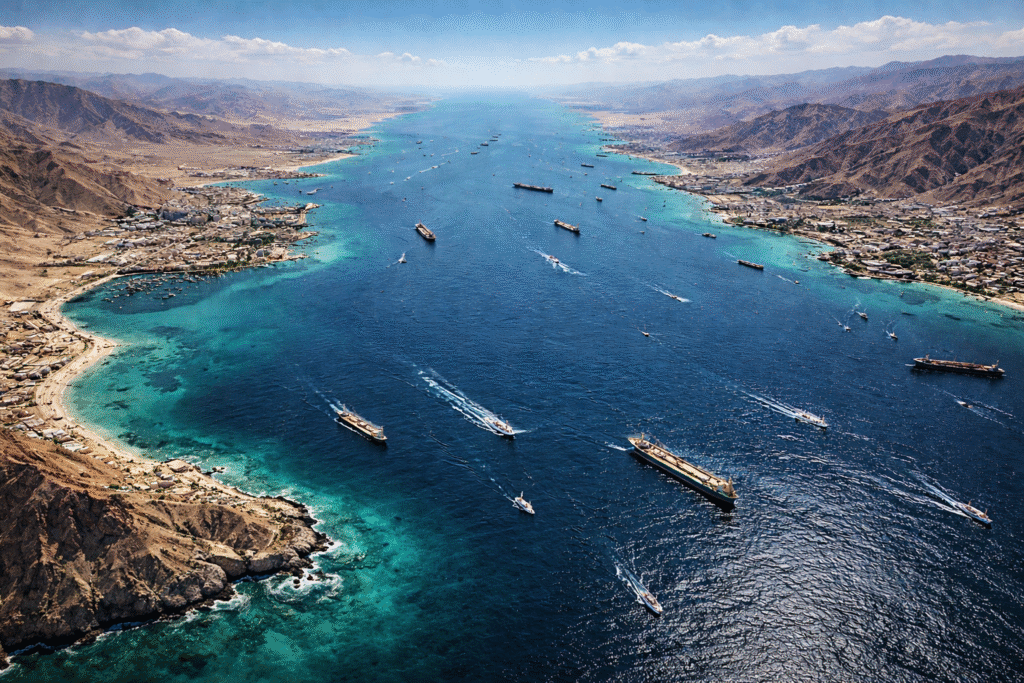
                              A small but crucial waterway in the Middle East is The Strait of Hormuz

                              Where

                              is between Iran (north) and the United Arab Emirates (south). links the Arabian Sea, the Gulf of Oman, and the Persian Gulf.

                              The Significance of It

                              It is among the most important oil shipping routes in the world. It handles about 20–30% of the oil traded worldwide.Important for the export of liquefied natural gas (LNG), particularly from Qatar

                              https://rapidknowledge.in

                              Dimensions

                              At its narrowest point, it is roughly 33 km (21 miles) broad. In either direction, shipping channels are only roughly 3 km (2 miles) wide.

                              Strategic Importance

                              Global oil prices and energy markets can be impacted by any disruption (war, military tension, blockades). During political unrest, Iran has occasionally threatened to close it.

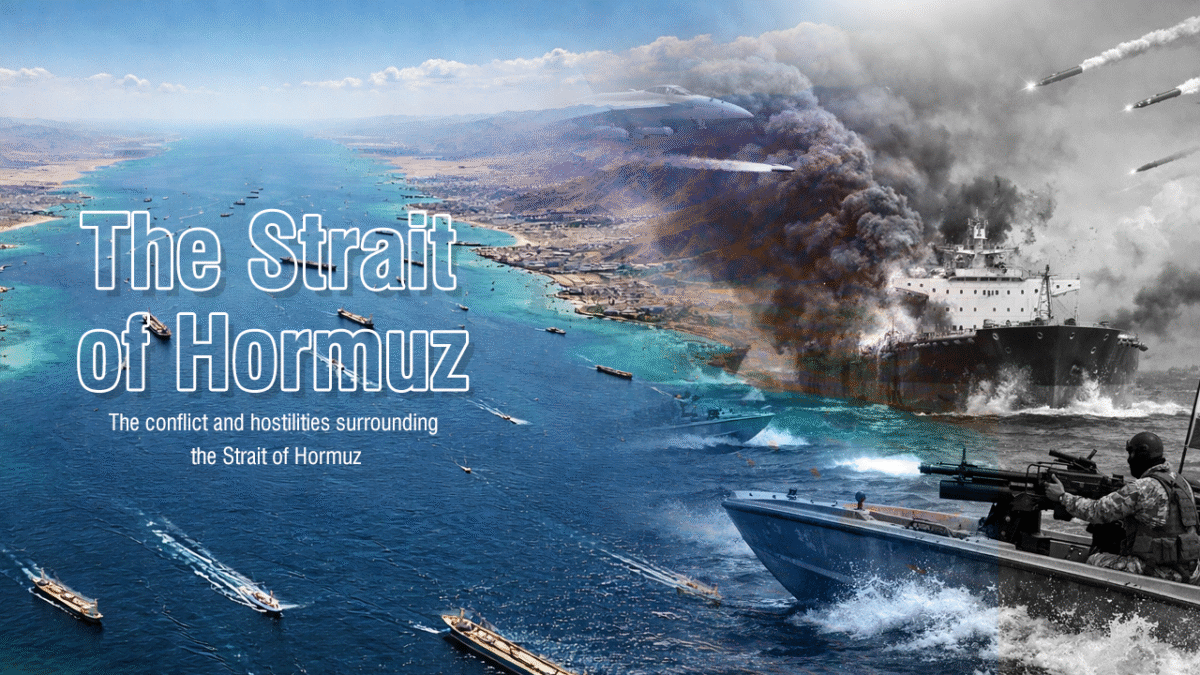
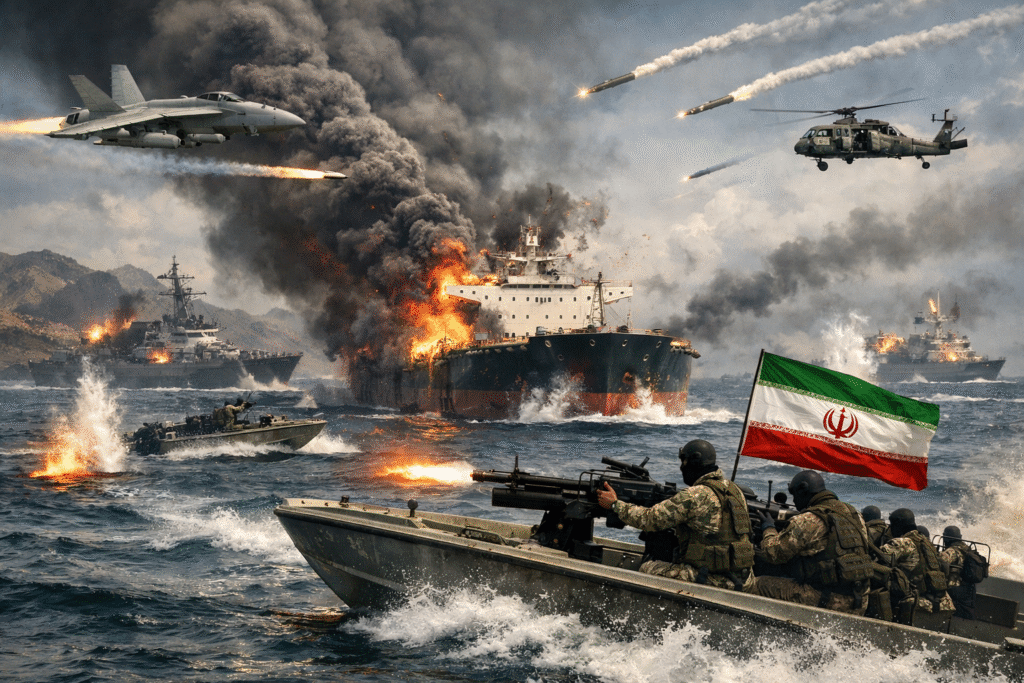
                              The conflict and hostilities surrounding the Strait of Hormuz

                              The global economy is being impacted by the conflict and tensions surrounding the Strait of Hormuz. One of the most significant energy conduits on Earth is this slender maritime path.

                              1. Shock to the oil supply

                              Approximately 20% of the world’s oil consumption, or 20 million barrels of oil per day, cross the strait. Millions of barrels of oil supplies have been affected due to the war and transportation risks. Recently, oil prices increased to nearly $120 per barrel before marginally declining.

                              Globally, the cost of gasoline, diesel, power, and transportation all go up as oil prices rise.

                              2. interruption of international trade

                              There is more to the Strait of Hormuz than just oil. Large volumes of petroleum products and almost 20% of the world’s LNG (natural gas) flow through it. Shipping delays are caused by tankers and cargo ships changing or halting their routes.

                              This has an impact on Production, Electronic devices, Medicines, International, supply networks

                              3. Increased living expenses and inflation

                              If the strait remains sealed, experts caution which is Fuel costs are rising, Transportation expenses are rising, Food costs also rising. Inflation around the world might get worse.

                              Due to the fact that diesel drives trucks, ships, and agricultural machinery, a lack of the fuel alone may slow the world economy.

                              4. Significant effects on Asia, especially India

                              The hardest-hit nations are those that import oil. Approximately 90% of India’s oil is imported, and a large portion of it passes through this area. Europe, South Korea, China, and Japan all significantly depend on this route. 

                              Therefore, if the disruption persists, fuel costs in nations like India may increase.

                              If a conflict affects the Strait of Hormuz

                              The supply of oil declines, Fuel costs are rising. Trade and shipping slow down Globally, inflation is rising.

                              a significant portion of global energy flows through this small canal.

                              https://shreecreativeworksvja.blogspot.com

                              The Strait of Hormuz plays a crucial role in global energy distribution, serving as a vital chokepoint for oil shipments. Disruptions in this strategic waterway would lead to a marked decrease in oil supply, significantly impacting fuel prices in oil-importing nations such as India. As global trade and shipping operations slow, inflationary pressures are likely to escalate worldwide. The importance of maintaining stability in the Strait of Hormuz cannot be overstated, as it underpins the economic vitality of numerous countries reliant on its passage for energy resources.

                              THE GHOST TRAIN IN LINCOLN

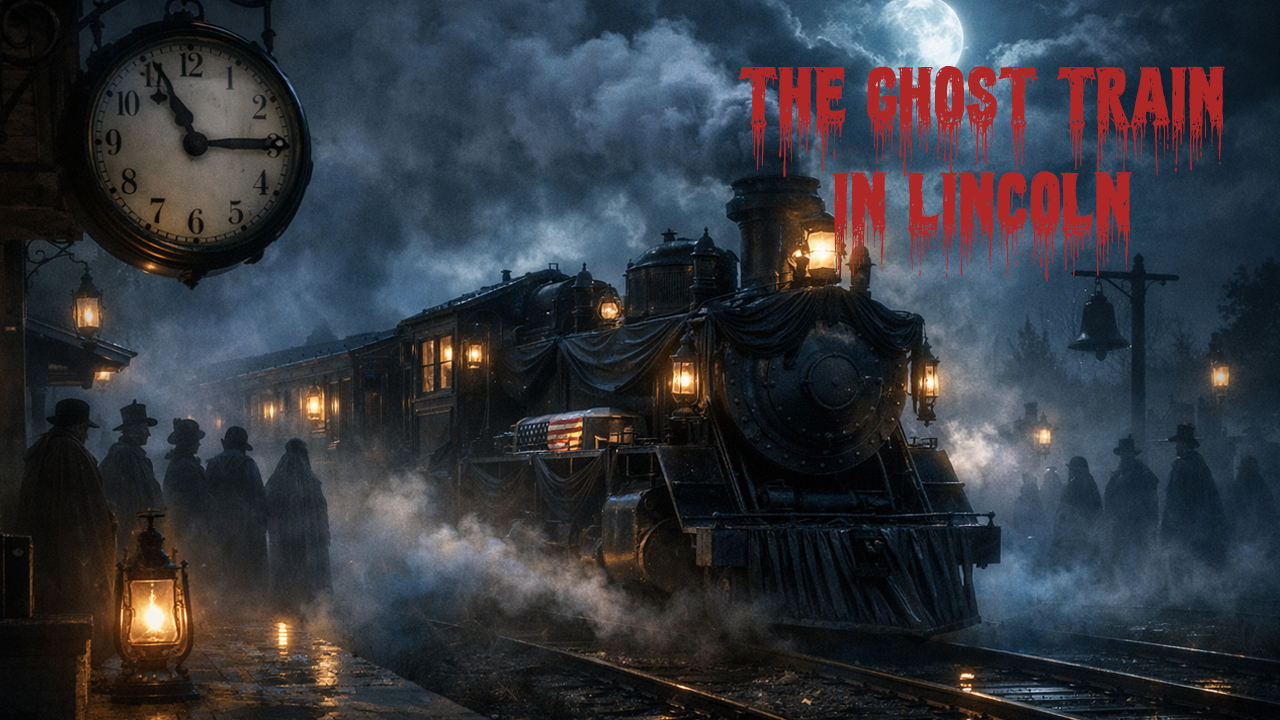
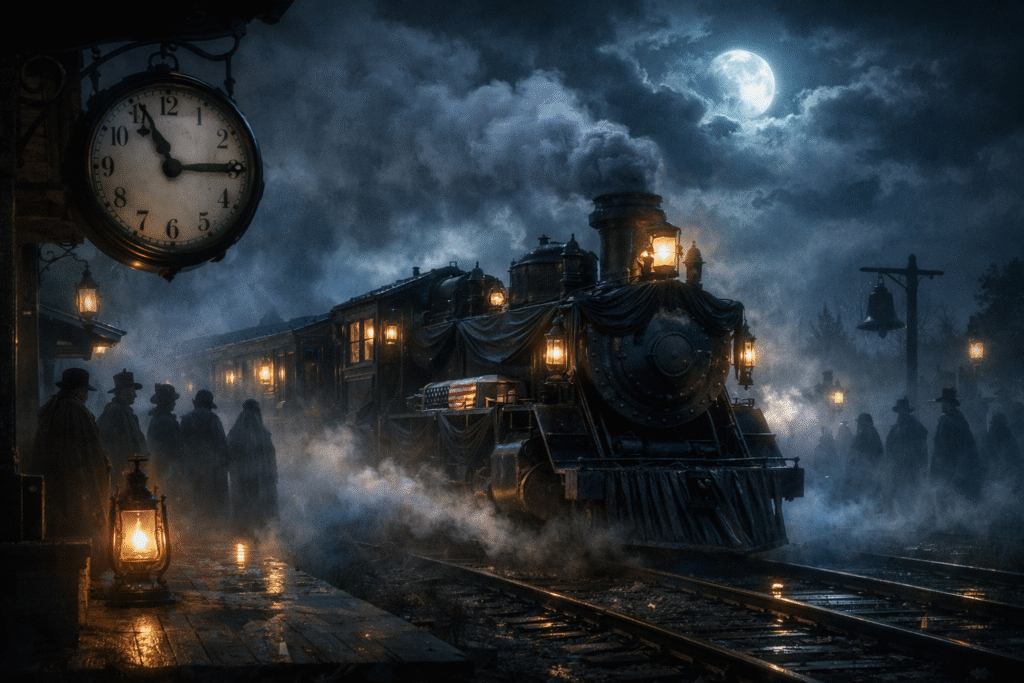
                              The Ghost Train in Lincoln began in the late 1800s in the United States. According to legend, President Abraham Lincoln’s body was transported by train from Washington, D.C. to his hometown of Springfield, Illinois, for burial on the evening of April 28, 1865. The story goes that as the train came to a stop in Lincoln, Nebraska, a large group of mourners gathered to offer their condolences.

                              This is rapidknowledge – knowldege spree

                              Some witnesses reported seeing a ghostly image of Abraham Lincoln seated in the burial car and staring out at the throng as the train went through the town. According to the legend, the train continued to appear in Lincoln, Nebraska, on the anniversary of Lincoln’s passing each year, and some people claimed to have seen Lincoln’s spirit on board.

                              The Ghost Train in Lincoln mythology

                              The Ghost Train in Lincoln mythology is told in a variety of ways, with some people claiming to have seen the train or heard its whistle in different places of the nation. Nonetheless, the Lincoln Ghost Train is generally accepted as a fictitious mythology or ghost story as there is no hard proof that it ever existed.

                              The Ghost Train in Lincoln serves as a poignant symbol of folklore, capturing the imagination of many through its annual appearances and the tales of Lincoln’s spirit aboard. This enduring legend continues to inspire artistic expressions and remains a prominent fixture in discussions of American ghost stories.